👑 8 Companions to Boost Your Queen Victoria Agave's Growth
Agave victoriae-reginae
By the Greg Editorial Team
Sep 30, 2024•5 min read
This article was created with the help of AI so we can cover more plants for you. May contain errors. See one? Report it here.
- 🌵 Echinopsis cacti and Sedum thrive with Queen Victoria Agave in full sun and dry soil.
- 🐞 Companion plants like Lavender repel pests and attract beneficial insects for healthier growth.
- 🌿 Avoid moisture-loving plants to prevent root rot and ensure Queen Victoria Agave thrives.
Best Companion Plants for Queen Victoria Agave
🌵 Echinopsis Cacti
Echinopsis cacti are fantastic companions for Queen Victoria Agave. They thrive in well-drained soil and full sun, making them a perfect match for your agave's care needs.
These cacti also have pest-repellent properties, thanks to their spines, which deter certain pests. Plus, their vibrant flowers create a stunning contrast against the agave's foliage.
🌼 Sedum
Sedum is another excellent choice for companion planting. This drought-tolerant plant requires minimal water, aligning perfectly with the agave's needs.
Not only does sedum attract beneficial insects that prey on pests, but its varied colors and textures also enhance the overall aesthetics of your garden.
🌱 Aloe Vera
Aloe vera is not just a useful plant; it’s also a great companion for Queen Victoria Agave. It prefers similar soil drainage and sunlight, ensuring compatibility in care.
Additionally, aloe contains compounds that deter pests, making it a natural protector for your agave. Its unique leaf structure beautifully complements the architectural form of the agave.
🌾 Yucca
Yucca plants thrive in dry conditions and well-drained soil, making them ideal companions. Their tough leaves can deter herbivores, providing an extra layer of protection for your agave.
Moreover, yucca adds height and structure to your garden, creating a visually appealing landscape alongside your agave.
💜 Lavender
Lavender is not only fragrant but also a beneficial companion for Queen Victoria Agave. It prefers full sun and well-drained soil, fitting seamlessly into the same care regimen.
The strong fragrance of lavender repels many garden pests, while its beautiful purple flowers and aromatic foliage enhance the garden's visual appeal.
These companion plants not only support the growth of your Queen Victoria Agave but also create a vibrant and diverse garden ecosystem. Next, let’s explore which plants to avoid to ensure your agave thrives.
Plants to Avoid with Queen Victoria Agave
🥴 Explanation of Incompatible Plants
When planning your garden, it's crucial to consider which plants won't play well with your Queen Victoria Agave. Plants that require high moisture can lead to root rot, which is a death sentence for your agave.
Additionally, aggressive growth habits can overshadow or crowd your agave, stifling its growth and beauty.
🚫 Characteristics of Incompatible Plants
Certain plants are notorious for their high water requirements. For instance, ferns and moisture-loving perennials can create a soggy environment that your agave simply can't tolerate.
Fast-growing plants also pose a threat. Some annuals may outcompete your agave for nutrients and sunlight, leaving it struggling to thrive.
By avoiding these incompatible plants, you can ensure your Queen Victoria Agave flourishes in a harmonious garden setting. This thoughtful selection will help maintain the beauty and health of your agave while creating a balanced ecosystem.
Next, let’s explore how companion planting can effectively manage pests in your garden.
Pest Management through Companion Planting
🌱 How Companion Plants Help Manage Pests
Companion planting is a game-changer for pest management. By attracting beneficial insects, you can create a natural defense system against harmful pests.
These helpful insects, like ladybugs and lacewings, feast on pests that threaten your plants. A diverse ecosystem not only keeps pests at bay but also promotes healthier growth for your Queen Victoria Agave.
🚫 Specific Pests and Companion Deterents
Certain companion plants are particularly effective at deterring specific pests. For instance, lavender and oregano are known to repel mealybugs, a common nuisance for many gardeners.
On the other hand, sedum and thyme are excellent choices for attracting beneficial insects that control aphid populations. By strategically selecting your companion plants, you can create a thriving garden that minimizes pest issues.
This approach not only protects your agave but also enhances the overall health of your garden. With the right companions, you can enjoy a vibrant, pest-resistant landscape.
Next, let’s explore which plants to avoid when growing Queen Victoria Agave to ensure optimal growth and health.
Visual Appeal and Aesthetic Considerations
Creating a Visually Appealing Garden 🌿
Layering plants is a fantastic way to add depth and interest to your garden. By placing taller plants behind shorter ones, you create a lush, multi-dimensional space that draws the eye.
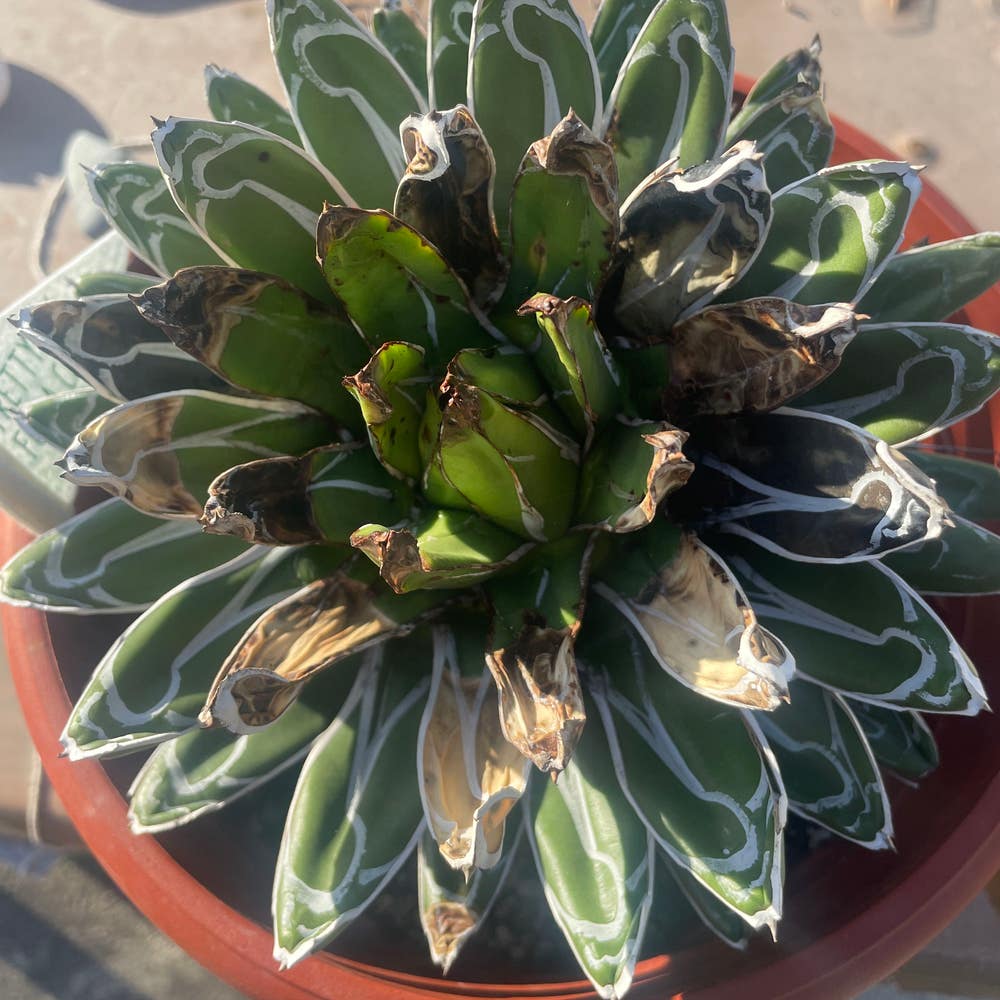
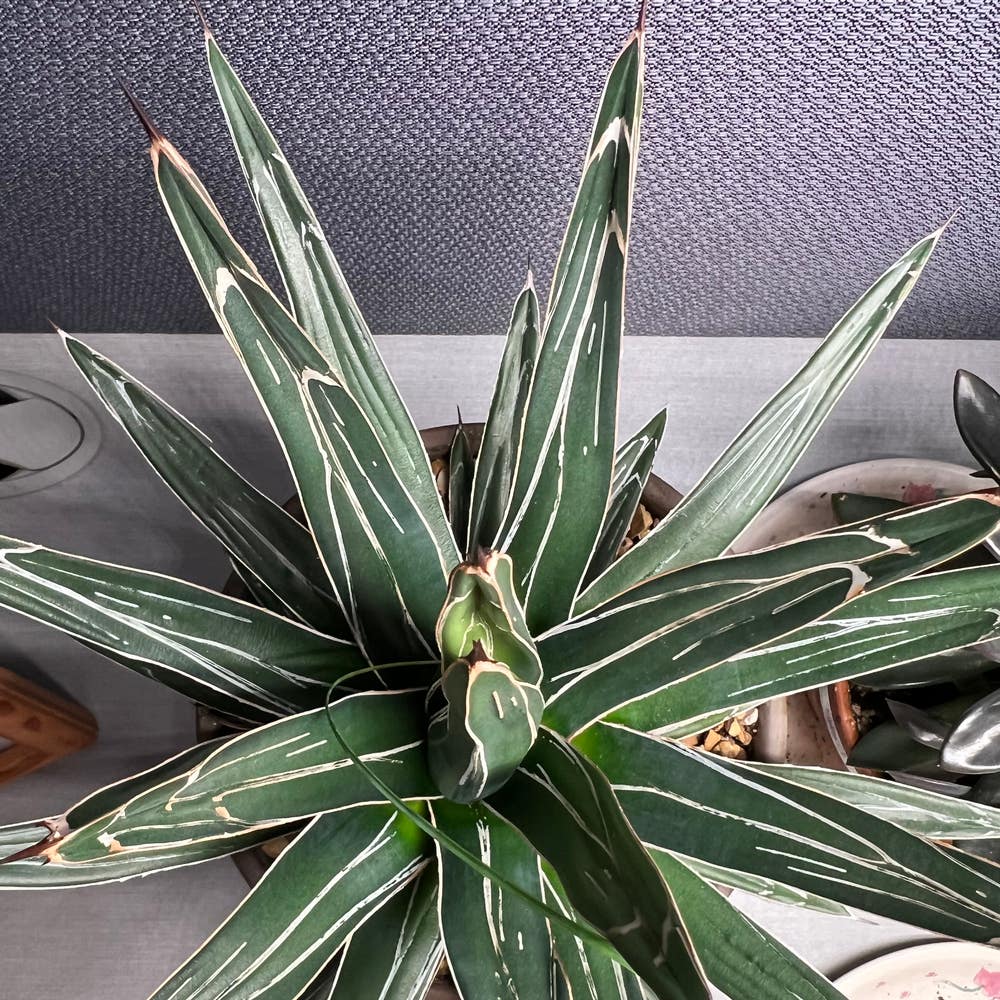
Using color contrasts effectively can highlight the unique features of your Queen Victoria Agave. For instance, pairing its blue-green foliage with vibrant flowers from companion plants can create a stunning visual impact.
Color and Texture Combinations 🎨
Pairing the striking blue-green of Agave with the vibrant blooms of companion plants enhances the overall aesthetic. This combination not only looks beautiful but also emphasizes the Agave's architectural form.
Mixing different leaf shapes and sizes adds dynamism to your garden design. Consider incorporating plants with varied textures to create a lively and engaging landscape that keeps your garden visually interesting throughout the seasons.
Incorporating these visual strategies will not only elevate the beauty of your garden but also create a harmonious environment for your Queen Victoria Agave to thrive. Next, let’s explore which plants to avoid to ensure your Agave remains healthy and vibrant.
⚠️ Safety First
This content is for general information and may contain errors, omissions, or outdated details. It is not medical, veterinary advice, or an endorsement of therapeutic claims.
Always consult a qualified healthcare professional before using any plant as food, medicine, or supplement.
Never eat any plant (or feed one to pets) without confirming its identity with at least two trusted sources.
If you suspect poisoning, call Poison Control (800) 222-1222, the Pet Poison Helpline (800) 213-6680, or your local emergency service immediately.
Spotted an error? Please report it here.
Boost your Queen Victoria Agave's growth with perfect companions 🌱 like lavender and Echinopsis cacti, and let Greg guide you with tailored care tips and reminders for a flourishing garden!