🌡 What Temperature Does My Queen Victoria Agave Need?
Agave victoriae-reginae
By the Greg Editorial Team
Jun 18, 2024•3 min read
This article was created with the help of AI so we can cover more plants for you. May contain errors. See one? Report it here.
- Day 60°F-80°F, Night to 50°F - Queen Victoria Agave's ideal temperature range.
- 🌡️ Watch for distress signs like discoloration and curling leaves.
- Protect from extreme temps with shade, insulation, and proper watering.
Dialing in the Perfect Climate
Finding the sweet spot for your Queen Victoria Agave's temperature is key to its health and happiness. This desert gem prefers a balmy range of 60°F to 80°F during the day.
🌞 Basking in the Sun: Daytime Temperature Needs
The Queen Victoria Agave loves to soak up the sun, but not too much. Aim for a daytime temperature between 60°F and 80°F. This range allows the plant to photosynthesize efficiently without getting a sunburn.
Maintaining a balance is crucial; while the plant enjoys warmth, it's important to shield it from extreme heat. Direct, scorching sun can be as unwelcome as a snowstorm in July.
🌬 Embracing the Cool: Nighttime Temperature Nuances
When the sun sets, your agave can handle a bit of a chill. Nighttime temperatures can safely drop to 50°F. This mimics the natural desert climate, where evenings are cooler.
This drop in temperature is not just tolerable; it's beneficial. It allows the plant to recover from the day's heat and is essential for its overall well-being. Just remember, freezing temperatures are a no-go zone.

Recognizing When Your Agave is Feeling the Heat (or Chill)
🌡️ Visual SOS: Symptoms of Temperature Distress
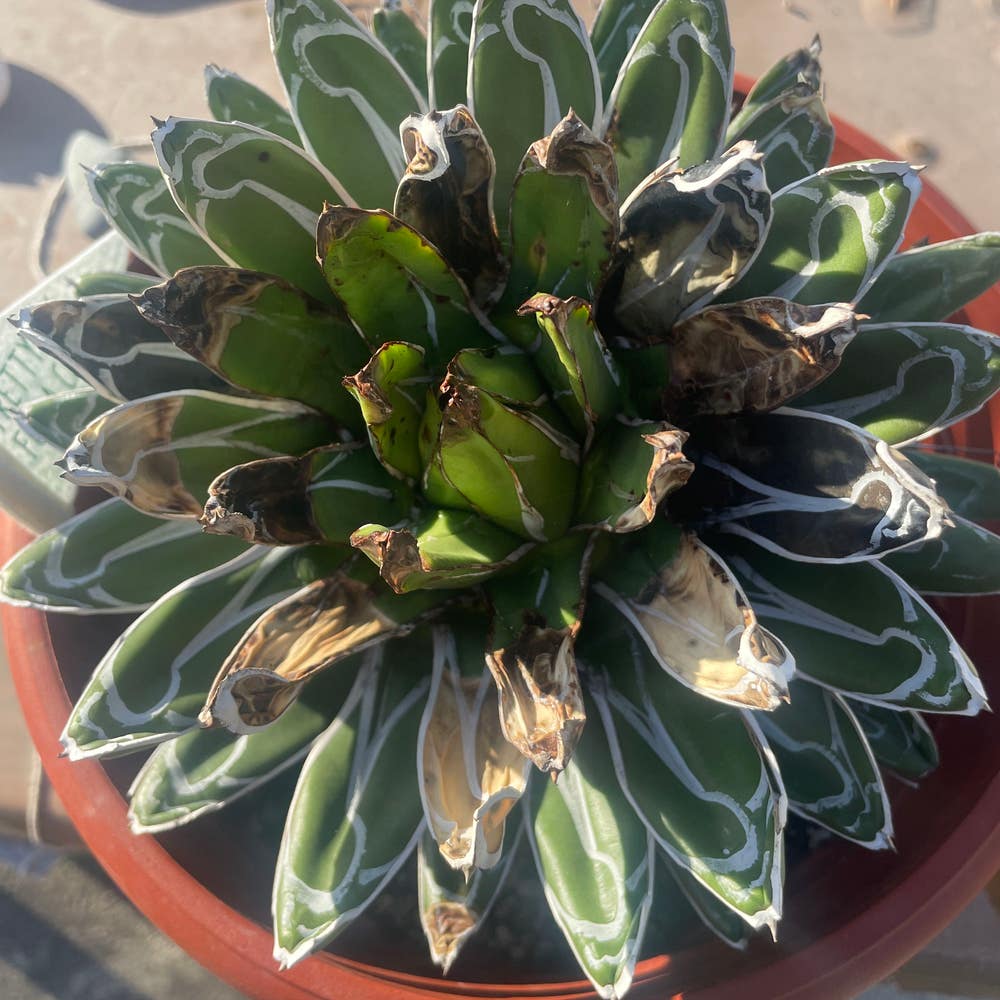
Queen Victoria Agave sends clear distress signals when the temperature isn't right. Leaf discoloration is your first clue; yellow leaves are practically shouting "I'm too hot!" while brown spots or edges are more of a cold whisper. If your agave's leaves are drooping or curling inward, it's likely feeling the heat. On the other hand, leaves that are brittle or have a water-stained look might be suffering from cold damage.
🌞 The Usual Suspects: What's causing the temperature tantrums?
The environment plays the lead role in your agave's temperature drama. Direct sunlight can be a scorcher, causing leaf burn and crispy tips. Conversely, a sudden drop in temperature can turn your agave's leaves into a mushy mess. Stunted growth is another red flag; it's not just being lazy, it's struggling with the temperature. Keep an eye out for pests too; they love a stressed plant. Remember, a good thermometer is your best ally in keeping the climate in check for your Queen Victoria Agave.

Keeping Your Cool (or Warmth): Temperature Control Tips
🌞 Winter Woes: Protecting Your Agave from the Cold
Jack Frost is no friend to your Queen Victoria Agave. When the mercury dips, it's time to act.
- Bring it indoors: A cozy indoor spot away from drafty windows keeps the chill at bay.
- Greenhouse glamour: If you've got one, use it. It's like a VIP lounge for your plant.
- Insulate: Wrap pots with bubble wrap or burlap. Think of it as your plant's winter coat.
- Avoid freezing: Temperatures below 50°F (10°C) are a no-go. Keep it above this threshold to avoid a frosty fate.
🌞 Summer Lovin': Ensuring Your Agave Doesn't Overheat
Summer can turn your Agave's soil into a mini desert. Here's how to prevent a meltdown.
- Shade it: Use a canopy or shade cloth. It's like sunscreen for your succulent.
- Water wisely: Early morning or late evening is prime time to water, reducing evaporation.
- Monitor the mercury: Keep temperatures below the high 80s (°F) to prevent heat stress.
- Ventilate: A gentle breeze from a fan can be a lifesaver, but avoid direct blasts of air.
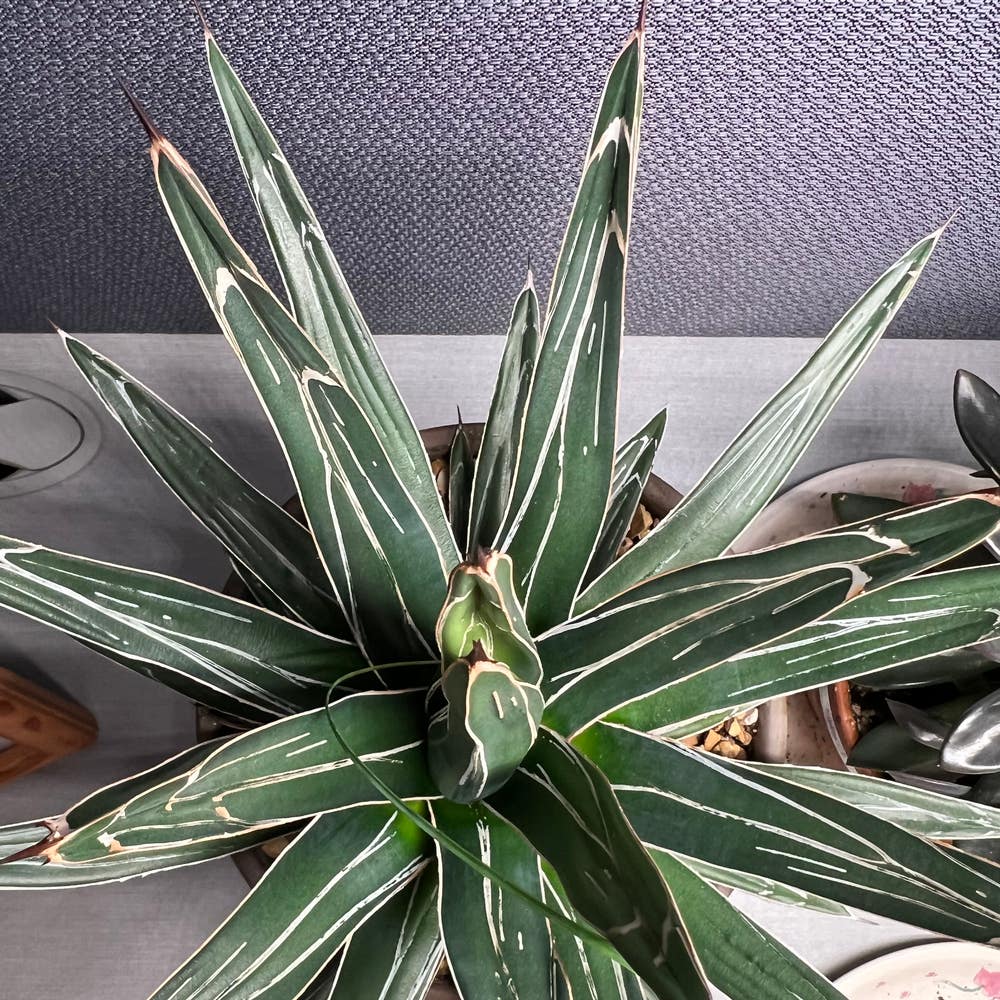
Remember, your Queen Victoria Agave isn't just surviving; it's thriving with the right temperature care.

⚠️ Safety First
This content is for general information and may contain errors, omissions, or outdated details. It is not medical, veterinary advice, or an endorsement of therapeutic claims.
Always consult a qualified healthcare professional before using any plant as food, medicine, or supplement.
Never eat any plant (or feed one to pets) without confirming its identity with at least two trusted sources.
If you suspect poisoning, call Poison Control (800) 222-1222, the Pet Poison Helpline (800) 213-6680, or your local emergency service immediately.
Spotted an error? Please report it here.
Keep your Queen Victoria Agave flourishing 🌡 with Greg's home environment monitoring and tailored care reminders for the ideal temperature range.