👑 Queen Victoria Agave: Not an Invasive Plant
Agave victoriae-reginae
By the Greg Editorial Team
Sep 30, 2024•5 min read
This article was created with the help of AI so we can cover more plants for you. May contain errors. See one? Report it here.
- 🌱 Queen Victoria Agave is non-invasive, making it safe for diverse gardens.
- 🌞 Thrives in full sun and dry conditions, promoting sustainable gardening practices.
- 🐝 Attracts pollinators, enhancing biodiversity while being a stunning garden focal point.
Plant Classification
Definition of Invasive Species 🌱
Invasive species are non-native plants that spread aggressively. They outcompete local flora and disrupt ecosystems, often leading to significant ecological imbalances.
Why Queen Victoria Agave is Not Invasive 👑
The Queen Victoria Agave stands out for its non-invasive nature. It does not exhibit aggressive growth patterns or high reproductive rates, making it a gentle presence in gardens.
This plant thrives in rocky, well-drained soils, which naturally limits its spread potential. Its slow growth rate and specific care requirements further contribute to its classification as non-invasive.
In essence, the Queen Victoria Agave is a low-maintenance option that enhances garden aesthetics without overwhelming local ecosystems. Its unique characteristics make it a valuable addition to any landscape.
As we explore its growth habits next, you'll see how this plant's traits align perfectly with sustainable gardening practices.
Growth Habits
Typical Growth Patterns in Gardens 🌱
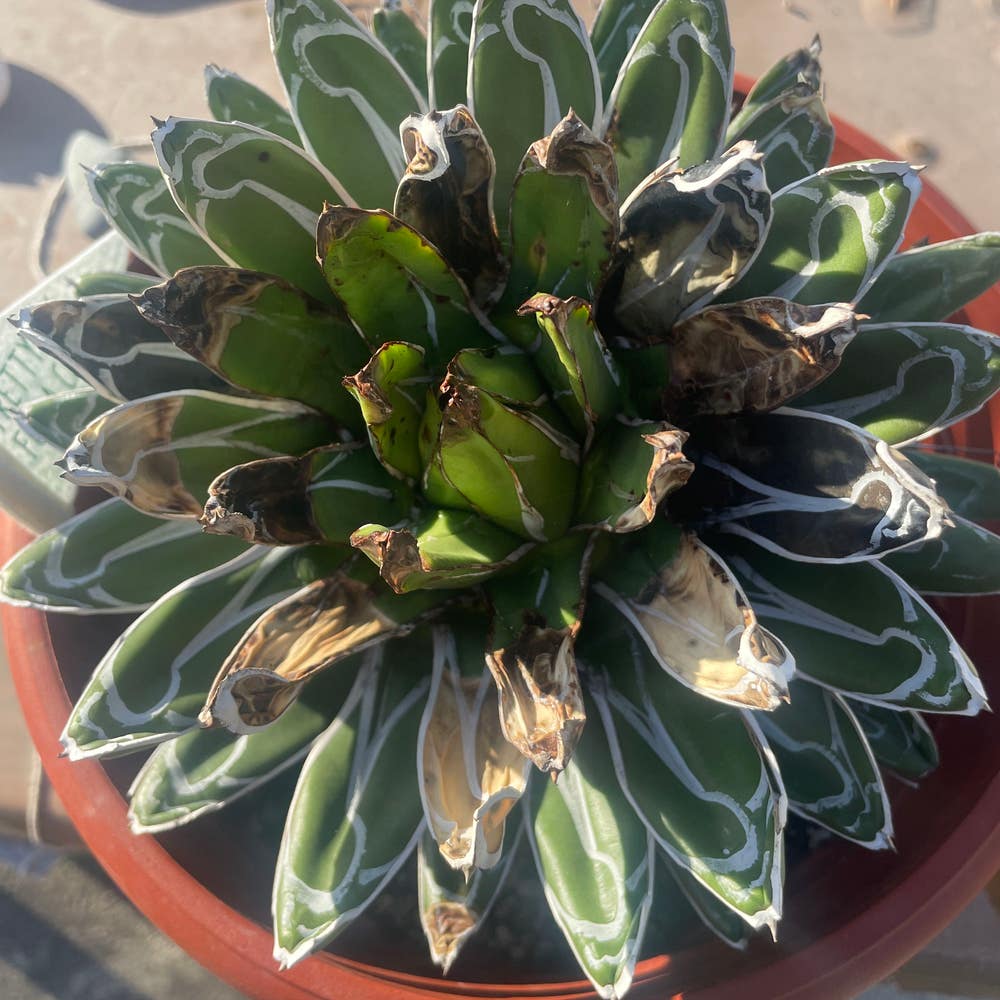
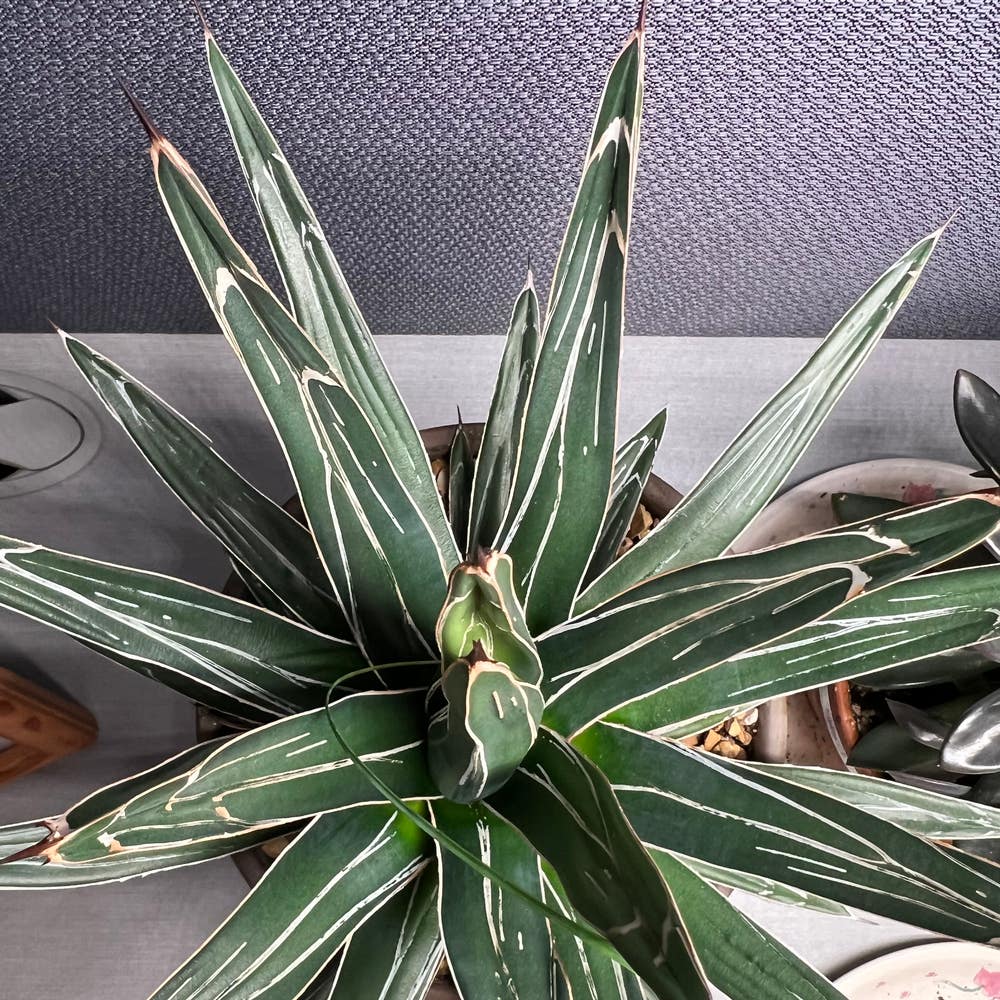
The Queen Victoria Agave showcases a striking rosette shape, typically reaching heights of 1-2 feet and widths of 2-3 feet. Its slow growth rate means it can take several years to achieve its full size, making patience a virtue for gardeners.
This plant thrives in well-drained soils and requires full sun exposure to flourish. These ideal conditions not only enhance its growth but also contribute to its stunning appearance in garden settings.
Natural Limits to Growth and Spread Potential 🚧
Queen Victoria Agave is naturally limited by environmental factors. It prefers dry conditions and struggles in overly moist soils, which helps keep its growth in check.
With a natural lifespan that can extend for several decades, this agave flowers only once in its lifetime. This unique characteristic significantly limits its reproductive spread, ensuring it remains a manageable addition to any garden.
As you consider incorporating this beautiful plant into your landscape, remember its specific needs and growth habits. This knowledge will help you create a thriving garden that celebrates the unique qualities of the Queen Victoria Agave.
Ecological Role
Benefits to Local Wildlife 🐝
Queen Victoria Agave plays a vital role in supporting local wildlife. Its striking flowers attract pollinators like bees and butterflies, which are essential for enhancing biodiversity in your garden.
Additionally, this agave provides shelter and food for various insects and small animals. By incorporating it into your landscape, you create a thriving ecosystem that benefits both plants and wildlife.
Positive Interactions with Other Plants 🌱
This agave is highly compatible with drought-tolerant plants, making it an excellent choice for xeriscaping. By promoting water conservation, it helps create sustainable landscapes that thrive in dry conditions.
Moreover, Queen Victoria Agave can serve as a stunning focal point in garden designs. Its unique appearance not only enhances aesthetic appeal but also supports local ecosystems, making it a win-win for gardeners and nature alike.
As you consider your garden's ecological role, think about how integrating Queen Victoria Agave can foster a vibrant, interconnected environment. This plant not only beautifies your space but also contributes positively to the surrounding ecosystem.
Next, let’s explore effective ways to manage and incorporate this remarkable plant into your garden design.
Garden Management
Effective Incorporation into Garden Designs 🌿
Queen Victoria Agave shines as a stunning centerpiece in rock gardens. Its striking rosette shape and unique leaf markings make it a focal point in xeriscape layouts, promoting water conservation.
For a cohesive landscape, consider companion planting. Pair it with other drought-tolerant plants like Echeveria or Sedum to create a harmonious garden that thrives in dry conditions.
Growth Control Methods for Aesthetics ✂️
Maintaining the beauty of your Queen Victoria Agave involves regular pruning. Remove any dead or damaged leaves to keep the plant looking its best.
Spacing is crucial for aesthetics and health. Ensure adequate distance between plants to prevent overcrowding and promote airflow, allowing each agave to flourish without competition.
Incorporating these practices will not only enhance your garden's appearance but also support the overall health of your plants. As you cultivate your space, you'll appreciate the unique role that Queen Victoria Agave plays in your garden ecosystem.
Comparison to Other Plants
🌱 Similar Non-Invasive Plants
When considering drought-tolerant options, Echeveria and Sedum are popular choices alongside Queen Victoria Agave.
- Echeveria: Known for its rosette shape and vibrant colors, it grows more quickly than Queen Victoria Agave, often filling spaces rapidly.
- Sedum: This plant is versatile and hardy, thriving in various conditions but can spread more aggressively than the Agave.
While all three plants are non-invasive, their growth habits and aesthetic contributions differ significantly.
🌟 Unique Qualities of Queen Victoria Agave
Queen Victoria Agave stands out with its striking leaf markings and compact rosette shape.
Its long lifespan and slow growth rate make it a low-maintenance choice for gardeners seeking a unique focal point.
This combination of features not only enhances garden aesthetics but also supports sustainable practices, making it a valuable addition to any landscape.
As we explore garden management next, we’ll see how to effectively incorporate this stunning plant into your designs.
Legal and Environmental Considerations
📜 Relevant Classifications and Guidelines
Before planting Queen Victoria Agave, it's essential to check local regulations regarding Agave species. Some regions may have specific guidelines or restrictions that ensure the plant's responsible use in landscaping.
Understanding these regulations helps you make informed decisions and promotes a healthy gardening environment. Always stay updated on any local recommendations to ensure compliance.
🌱 Role in Sustainable Gardening Practices
Queen Victoria Agave plays a significant role in sustainable gardening practices. Its drought-tolerant nature promotes water conservation, making it an excellent choice for eco-friendly landscapes.
Additionally, this agave supports local wildlife by providing food and shelter. By incorporating it into your garden, you contribute to a balanced ecosystem that encourages biodiversity.
Using Queen Victoria Agave also encourages the integration of native plants and sustainable gardening techniques. This not only enhances your garden's aesthetic but also fosters a deeper connection with the environment.
Incorporating these practices can lead to a thriving garden that benefits both you and the local ecosystem. As we explore further, let’s look at how to effectively manage and incorporate this stunning plant into your garden design.
⚠️ Safety First
This content is for general information and may contain errors, omissions, or outdated details. It is not medical, veterinary advice, or an endorsement of therapeutic claims.
Always consult a qualified healthcare professional before using any plant as food, medicine, or supplement.
Never eat any plant (or feed one to pets) without confirming its identity with at least two trusted sources.
If you suspect poisoning, call Poison Control (800) 222-1222, the Pet Poison Helpline (800) 213-6680, or your local emergency service immediately.
Spotted an error? Please report it here.
Transform your garden with the stunning Queen Victoria Agave, a non-invasive beauty 🌼 that thrives with Greg's personalized care tips to ensure it flourishes while supporting local ecosystems!