👑 Everything You Need to Know to Grow Queen Victoria Agave
Agave victoriae-reginae
By the Greg Editorial Team
Sep 30, 2024•6 min read
This article was created with the help of AI so we can cover more plants for you. May contain errors. See one? Report it here.
- 🌞 Queen Victoria Agave needs 6-8 hours of sunlight for optimal growth.
- 🌱 Well-draining soil and proper spacing prevent root rot and promote healthy growth.
- ❄️ Protect from cold and adjust care seasonally for best results.
Choosing a Location
🌞 Sunlight Requirements
Queen Victoria Agave thrives in full sun, requiring 6-8 hours of direct sunlight daily. Insufficient light can stunt growth, leading to leggy plants that lack the robust appearance characteristic of healthy agaves.
🌳 Ideal Outdoor vs. Indoor Conditions
For outdoor growth, these plants prefer gardens with good airflow. Urban settings may present challenges like pollution, while rural areas often provide a more natural environment.
When growing indoors, position your agave near south or west-facing windows to maximize light exposure. If natural light falls short, consider using grow lights to supplement.
🌡️ Temperature and Climate Considerations
The optimal temperature range for Queen Victoria Agave is between 20°C to 30°C (68°F to 86°F). In colder climates, take protective measures against frost, such as bringing potted plants indoors or covering them during chilly nights.
Understanding these location requirements is crucial for ensuring your agave flourishes. Next, let’s delve into the essential aspects of soil preparation to set the stage for successful planting.
Soil Preparation
Best Soil Types 🌱
To thrive, Queen Victoria Agave needs well-draining soil mixes. A combination of cactus mix, sand, and perlite works wonders for promoting healthy root development.
Importance of Drainage and Soil Amendments 🚰
Good drainage is crucial; poor drainage can lead to root rot and other diseases. Consider adding materials like coarse sand or gravel to enhance drainage and keep your plant happy.
pH Level Considerations ⚖️
The ideal pH range for Queen Victoria Agave is between 6.0 and 7.5. Regularly testing your soil pH and making adjustments as needed ensures your plant gets the nutrients it craves.
With the right soil preparation, your Queen Victoria Agave will be set for success. Next, let’s dive into effective planting techniques to give your agave the best start possible.
Planting Techniques ((difficulty:easy))
Step-by-Step Instructions
Prepare the planting hole: Dig a hole that is 2-3 times wider than the root ball. This gives the roots ample space to spread out.
Amend soil as needed for drainage: Mix in materials like sand or perlite to enhance drainage. This is crucial for preventing root rot.
Position the plant: Place the agave in the hole, ensuring the crown is level with the soil surface. This helps the plant establish itself properly.
Backfill and lightly pack soil around the base: Fill in the hole with soil, gently pressing down to eliminate air pockets. This secures the plant in place.
Water lightly to settle the soil: Give it a light watering to help the soil settle around the roots. Avoid soaking it, as too much water can be harmful.
🌱 Spacing Requirements
Recommended spacing: Space your agave plants 2-3 feet apart. This allows for optimal growth and airflow.
Considerations for mature size and airflow: Keep in mind how large your agave will get. Proper spacing helps prevent overcrowding and promotes healthy growth.
🪴 Container Planting Tips
Choosing the right pot size: Use a pot that is at least 12 inches in diameter. This provides enough room for root development.
Importance of drainage holes: Ensure your container has drainage holes. This prevents water from accumulating, which can lead to root rot.
Recommended potting mix for container gardening: Opt for a well-draining cactus mix. This will keep your agave thriving in a container environment.
With these planting techniques, you’re setting the stage for a healthy Queen Victoria Agave. Next, let’s explore how to care for your plant through watering and fertilizing.
Watering and Fertilizing
Watering Frequency and Techniques 🌊
To keep your Queen Victoria Agave thriving, water it every 2-3 weeks during the growing season. Deep watering is key; it encourages robust root growth and helps the plant access moisture more effectively.
Signs of Overwatering and Underwatering 🚨
Watch for signs of overwatering, such as yellowing leaves and mushy roots. Conversely, if you notice wilting or browning leaf tips, your plant may be underwatered and in need of a drink.
Recommended Fertilizers and Feeding Schedule 🌱
Opt for balanced, low-nitrogen fertilizers to nourish your Agave without overwhelming it. Feed your plant once in spring and again in summer to support its growth during the active seasons.
With proper watering and fertilizing, your Queen Victoria Agave will flourish beautifully. Next, let’s dive into the essential pruning and ongoing care techniques to keep your plant healthy year-round.
Pruning and Ongoing Care
When and How to Prune 🌿
The best time to prune your Queen Victoria Agave is late winter to early spring. This timing allows the plant to recover and thrive as it enters its growing season.
When pruning, focus on removing dead or damaged leaves. Use clean, sharp tools to make precise cuts, promoting healthy growth and preventing disease.
Seasonal Care Routines 🌸
Adjusting your care routine based on the seasons is crucial for your agave's health. In warmer months, increase your monitoring for pests and ensure adequate watering.
During colder months, reduce watering and check for frost damage. Keeping a close eye on your plant helps you catch any issues early.
Pest Management and Disease Prevention 🐞
Common pests that may affect your Queen Victoria Agave include mealybugs, aphids, and scale. Regular inspections can help you identify these pests before they become a problem.
To prevent infestations, maintain plant health through proper care. Healthy plants are less susceptible to pests and diseases, making your gardening experience more enjoyable.
With these ongoing care tips, your Queen Victoria Agave will flourish, setting the stage for the next topic on common challenges and solutions.
Common Challenges and Solutions
Identifying and Addressing Problems 🐛
Queen Victoria Agave can face a few common pests and diseases. Look out for mealybugs, aphids, and scale, which can sap the plant's vitality.
To treat these pests, use insecticidal soap or neem oil. Regular inspections can help catch infestations early, ensuring your agave stays healthy.
Tips for Overcoming Environmental Challenges 🌡️
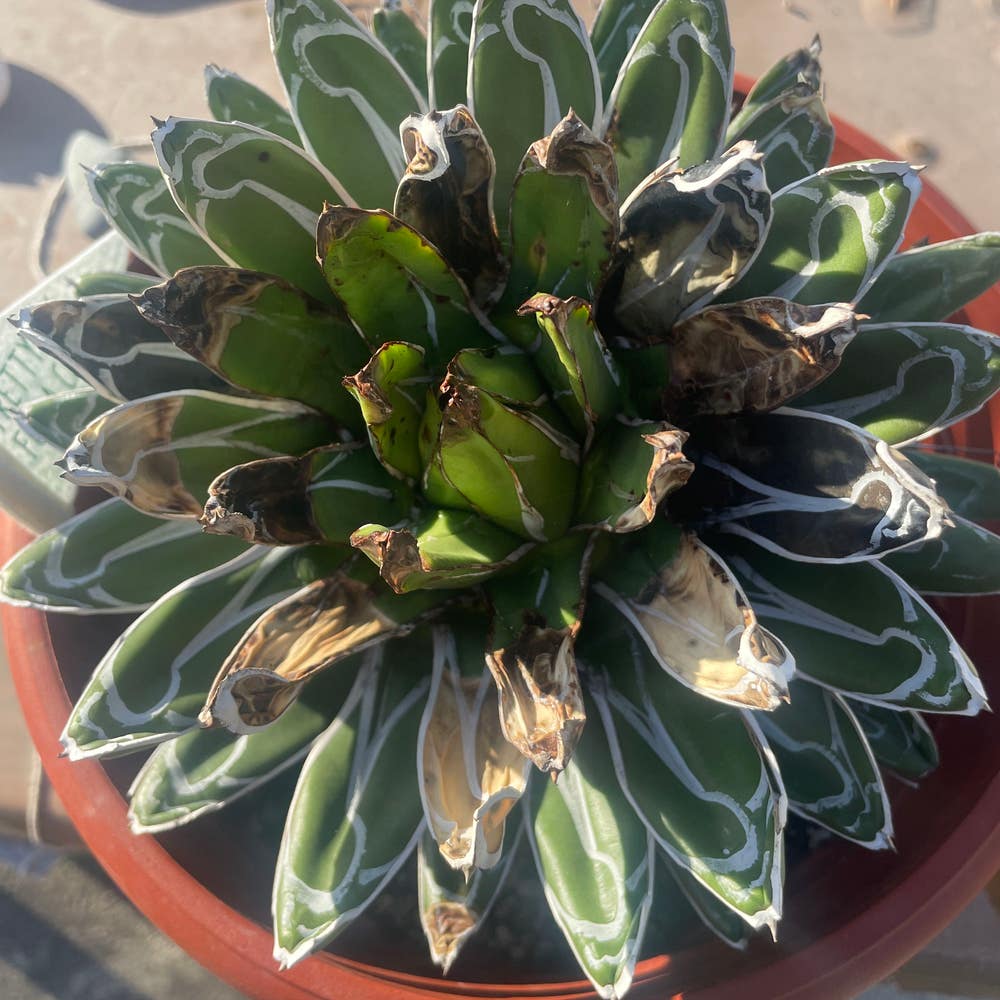
Extreme heat or cold can stress your agave. In scorching temperatures, provide some afternoon shade to prevent sunburn.
During colder months, consider bringing potted agave indoors or using frost cloths for protection. Adjusting care routines based on weather conditions is crucial for maintaining plant health.
Troubleshooting Growth Issues 🌱
If your agave shows slow growth or a lack of vigor, check for potential causes. Overwatering or poor drainage can lead to root rot, while insufficient light can stunt growth.
Maintaining proper care routines, including watering and fertilizing, is essential for robust growth. A little attention goes a long way in keeping your Queen Victoria Agave thriving.
With these tips, you can tackle challenges head-on and enjoy a flourishing agave garden. Next, let’s explore the essential pruning and ongoing care techniques to keep your plant in top shape.
⚠️ Safety First
This content is for general information and may contain errors, omissions, or outdated details. It is not medical, veterinary advice, or an endorsement of therapeutic claims.
Always consult a qualified healthcare professional before using any plant as food, medicine, or supplement.
Never eat any plant (or feed one to pets) without confirming its identity with at least two trusted sources.
If you suspect poisoning, call Poison Control (800) 222-1222, the Pet Poison Helpline (800) 213-6680, or your local emergency service immediately.
Spotted an error? Please report it here.
Transform your Queen Victoria Agave into a showstopper 🌟 with Greg's tailored watering alerts and soil pH testing tips to ensure it thrives in your home!