How to Prune Queen Victoria Agave
Agave victoriae-reginae
By the Greg Editorial Team
Jun 18, 2024•3 min read
This article was created with the help of AI so we can cover more plants for you. May contain errors. See one? Report it here.
- Late winter/spring best for pruning to encourage growth.
- 🌵 Sharp, clean secateurs are essential for healthy cuts.
- Avoid over-pruning; trim for natural shape and plant health.
Best Time to Prune Your Agave
📅 Seasonal Timing
Late winter or early spring is prime time for pruning Queen Victoria Agave. This timing allows the plant to heal and burst into vigorous growth with the onset of warmer weather.
🌱 Plant Maturity and Pruning
Young agaves focus on root development; it's best to let them establish without the stress of pruning. Mature plants, however, benefit from selective trimming to maintain shape and health.
💐 Flowering Considerations
Avoid pruning during the flowering stage. Flowering is a once-in-a-lifetime event for agaves, often signaling the end of their life cycle. Pruning at this stage can be detrimental to the plant's final display.

Choosing Your Pruning Tools
🌿 Essential Pruning Gear
Sharpness is non-negotiable. For the Queen Victoria Agave, precision is as crucial as the cut itself. Secateurs are your best friend here, ideal for snipping away unwanted leaves with surgical accuracy. Remember, it's not about having a plethora of tools but the right ones. And yes, a pair of secateurs that fit snugly in your hand beats a cluttered toolbox any day.
🧼 Keeping Tools Clean
Cleanliness isn't just for show; it's a matter of plant health. Before you make that first cut, give your tools a good wipe with rubbing alcohol. This isn't just a ritual—it's your first line of defense against spreading plant diseases. And after you're done playing plant surgeon, clean them again. It's like dental hygiene for your tools; skip it, and things get ugly fast.

Step-by-Step Pruning Process
🍂 Removing Damaged Leaves
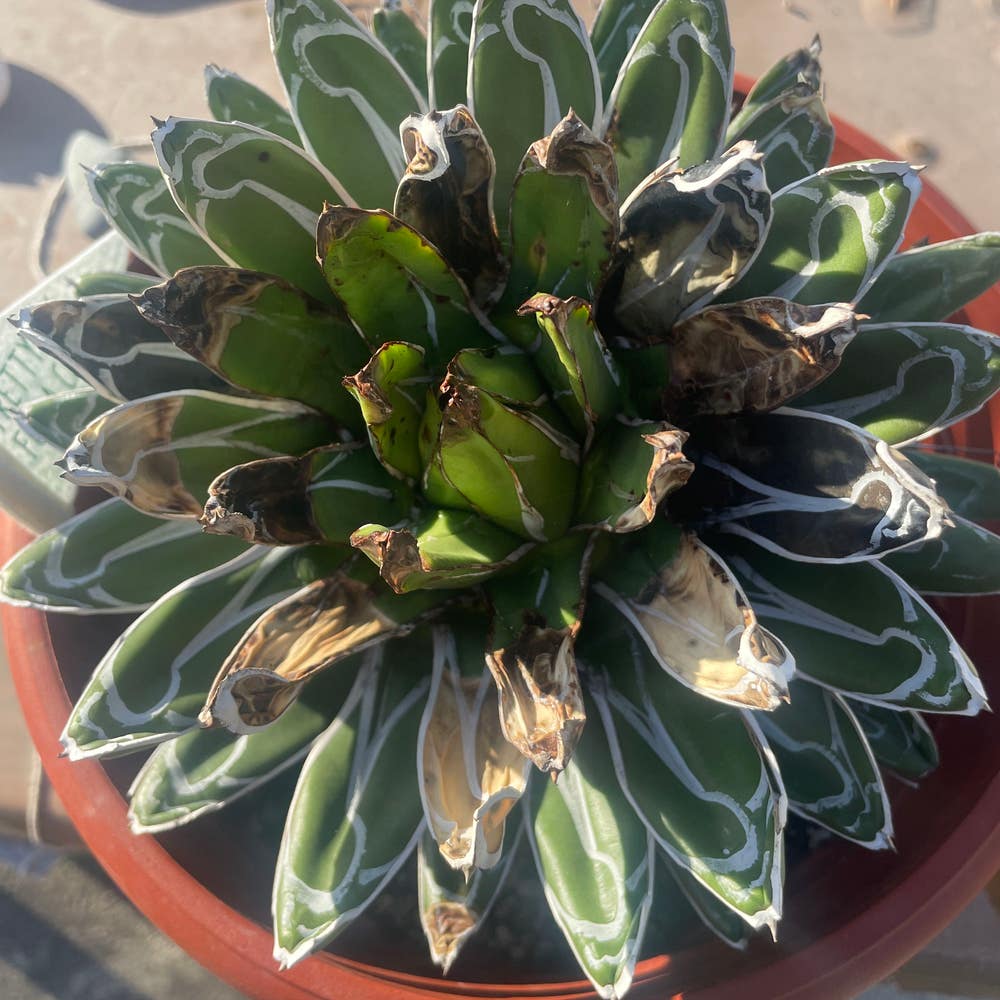
Damaged leaves on your Queen Victoria Agave are not just unsightly; they're a beacon for pests and diseases. Snip them off cleanly at the base to prevent issues and promote healthier growth.
🌱 Controlling Plant Size and Offsets
When it comes to controlling size, think of pruning as your plant's personal fitness routine. Trimming offsets encourages a more robust and independent plant. It's like telling your agave, "It's time to move out and get your own pot."
✂️ Shaping for Aesthetics
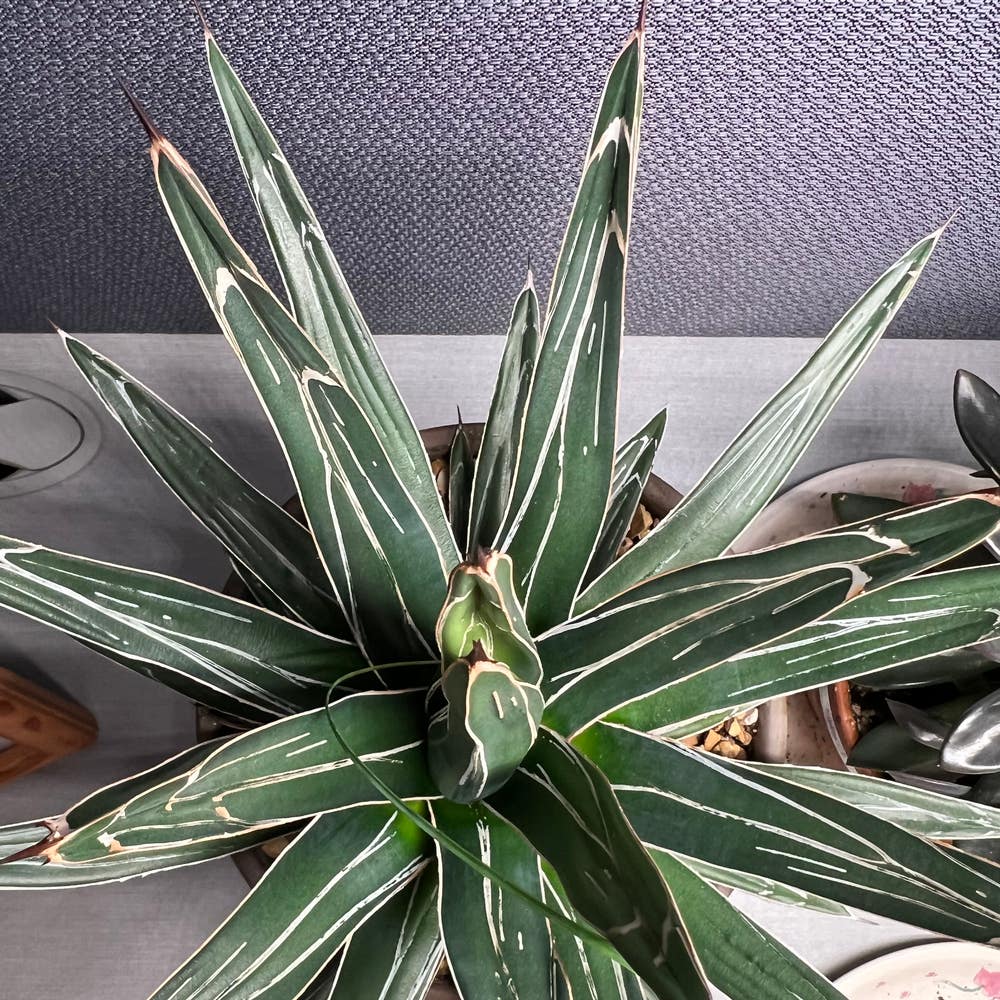
For the Queen Victoria Agave, aesthetics are key. Aim for a balanced look that complements its natural rosette shape. Remember, when pruning for looks, it's about subtle tweaks—not a complete makeover.

Common Pruning Mistakes to Avoid
🌵 Over-Pruning Pitfalls
Less is more when it comes to pruning your Queen Victoria Agave. Overzealous cuts can strip the plant of its character and vitality. It's about strategic trimming, not a free-for-all snip fest. Over-pruning not only jeopardizes the plant's aesthetics but can also hinder its ability to photosynthesize effectively.
🔪 Incorrect Cutting Techniques
Precision is key in pruning. Incorrect cut placement can damage the plant's natural healing process. Always aim for clean, angled cuts to promote healing and discourage water accumulation. Remember, jagged cuts from improper techniques are open invitations for pests and diseases.
🛠 Neglecting Tool Care
Dull tools are a recipe for disaster. They can crush and tear the plant tissue, leading to stress and potential infection. Sharpness counts for both the health of your agave and the ease of your task. Regularly maintain your tools to ensure they make clean, swift cuts that support your plant's rapid recovery.
⚠️ Safety First
This content is for general information and may contain errors, omissions, or outdated details. It is not medical, veterinary advice, or an endorsement of therapeutic claims.
Always consult a qualified healthcare professional before using any plant as food, medicine, or supplement.
Never eat any plant (or feed one to pets) without confirming its identity with at least two trusted sources.
If you suspect poisoning, call Poison Control (800) 222-1222, the Pet Poison Helpline (800) 213-6680, or your local emergency service immediately.
Spotted an error? Please report it here.
Trim your Queen Victoria Agave at just the right time 🕒 with Greg's personalized care reminders, ensuring vigorous growth and the plant's natural beauty.