🐛 What's Eating Your Purple Ice Plant
Carpobrotus chilensis
By the Greg Editorial Team
Oct 12, 2024•6 min read
This article was created with the help of AI so we can cover more plants for you. May contain errors. See one? Report it here.
Safeguard your Purple Ice Plant 🌸 from herbivores while inviting beneficial wildlife for a flourishing garden ecosystem!
- 🌸 Purple Ice Plant attracts herbivores due to its succulent leaves and sweet fruits.
- 🦌 Deer and rabbits can severely damage your plant; look for hoof prints and droppings.
- 🌿 Effective deterrents include fencing, repellents, and companion planting to protect your garden.
Description and Appeal of Purple Ice Plant
Appearance and Characteristics 🌸
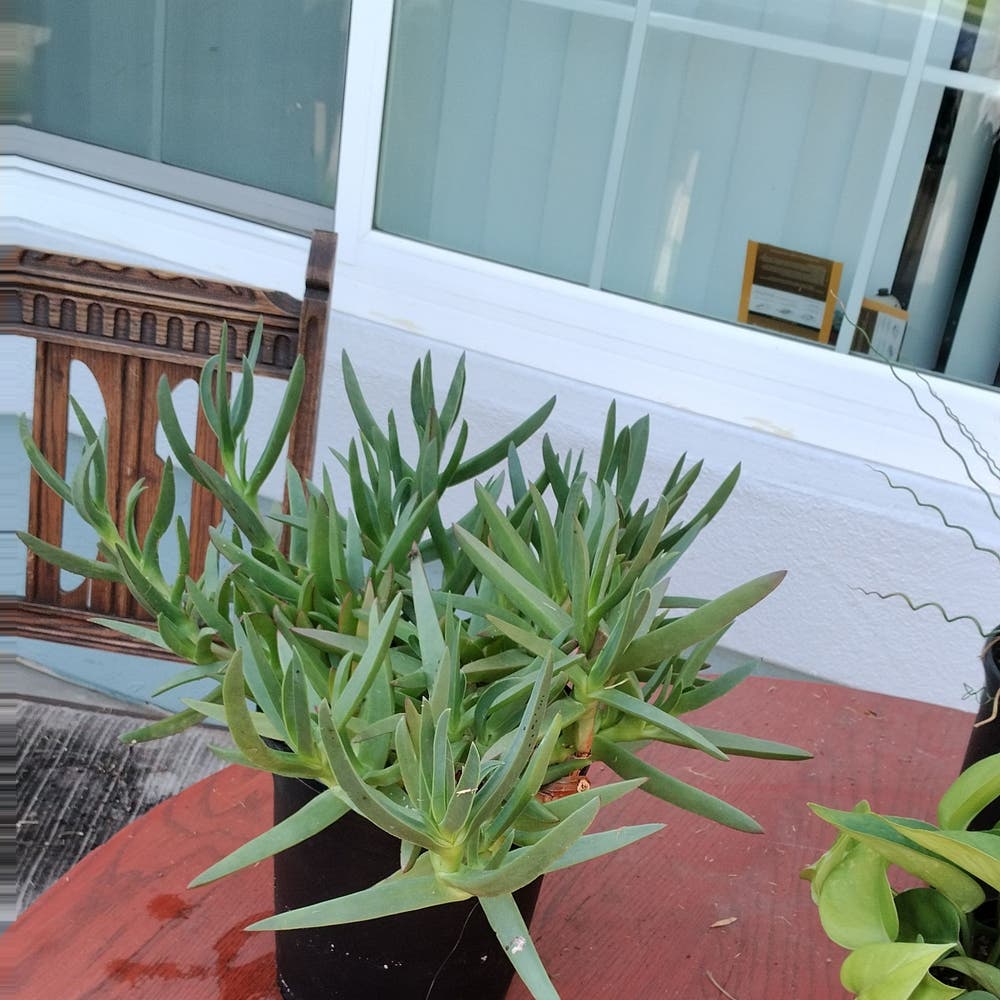
The Purple Ice Plant, native to South Africa, captivates with its vibrant, colorful flowers. Its succulent leaves store water, making it a hydration source for thirsty herbivores.
This plant typically grows as ground cover, creating a lush, inviting habitat for various garden animals. Its accessibility makes it a popular choice for both gardeners and wildlife alike.
Most Appealing Parts to Animals 🐾
Herbivores are particularly drawn to the sweet, fleshy fruits of the Purple Ice Plant. These fruits not only provide nourishment but also attract a variety of animals.
The bright flowers serve a dual purpose, enticing both pollinators and herbivores. Additionally, the young shoots are tender and nutritious, especially appealing during dry seasons when food is scarce.
In summary, the Purple Ice Plant's vibrant appearance and succulent characteristics make it a favorite among both gardeners and wildlife. Understanding its appeal can help you protect it from potential herbivore threats while enjoying its beauty in your garden.
Common Herbivores and Their Impact
🦌 Deer
Signs of Presence and Damage
Look for hoof prints near your Purple Ice Plant; these are clear signs of deer activity. You may also notice leaves and flowers stripped from the plant, indicating browsing behavior.
Beneficial vs. Harmful Interaction
Deer interactions are generally harmful, as they can decimate populations of Purple Ice Plant. Their appetite can quickly lead to significant damage.
Deterrent Methods
To keep deer at bay, consider using commercial deer repellents. Alternatively, planting deer-resistant species nearby can serve as an effective organic pest control method.
🐇 Rabbits
Signs of Presence and Damage
Rabbits leave small, round droppings near the plant, which can be a telltale sign of their presence. You might also find clean cuts on the edges of chewed stems and leaves.
Beneficial vs. Harmful Interaction
Rabbits are generally harmful, as they can significantly reduce the vigor of your Purple Ice Plant. Their feeding habits can lead to stunted growth.
Deterrent Methods
Fencing is a practical solution; a barrier of 2-3 feet tall can effectively prevent rabbit access. For an organic approach, try spraying garlic or hot pepper solutions around the plant.
🐿️ Squirrels
Signs of Presence and Damage
Squirrels often leave scratching marks on the soil and plant base. If you notice missing flowers or fruits, it's likely due to their foraging behavior.
Beneficial vs. Harmful Interaction
Squirrels are generally harmful, as they can disrupt both flowering and fruiting processes. Their activity can lead to reduced yields.
Deterrent Methods
Consider using squirrel repellents available in stores as a chemical deterrent. For a more hands-on approach, motion-activated sprinklers can effectively scare them away.
🐦 Birds
Signs of Presence and Damage
Frequent sightings of feathered visitors around your plant can indicate bird activity. Look for evidence of pecking or missing fruits, which suggests they are consuming seeds and fruits.
Beneficial vs. Harmful Interaction
Birds can be beneficial, acting as pollinators that aid in plant reproduction. However, they can also cause damage by consuming fruits.
Deterrent Methods
Using netting to cover your plants can prevent birds from accessing them. Scare tactics, like reflective tape or wind chimes, can also help deter these feathered friends.
🐭 Rodents (Mice, Voles, etc.)
Signs of Presence and Damage
Look for burrows or tunnels near the plant base as signs of rodent activity. Gnaw marks on stems and leaves indicate they are feeding on your Purple Ice Plant.
Beneficial vs. Harmful Interaction
Rodents are generally harmful, as they can cause significant damage to the plant. Their feeding habits can lead to severe plant stress.
Deterrent Methods
Chemical rodent repellents can be effective in keeping these pests away. Alternatively, traps and natural predators like cats can serve as organic pest control methods.
Understanding the impact of these common herbivores is crucial for maintaining the health of your Purple Ice Plant. By implementing effective deterrent methods, you can protect your garden while fostering a balanced ecosystem. Next, let’s explore the beneficial animals that can enhance your garden’s health.
Beneficial Animals and Ecological Role
Positive Impacts of Beneficial Animals 🐝
Beneficial animals play a crucial role in the health of your Purple Ice Plant. Pollinators like bees and butterflies are essential for enhancing plant reproduction, ensuring vibrant blooms and fruit production.
Birds and beneficial insects also contribute significantly by acting as natural pest controllers. They help manage pest populations, creating a balanced ecosystem that supports the growth of your plants.
The Importance of Coexistence 🌍
Understanding the role of these beneficial animals fosters a healthier garden environment. By welcoming pollinators and pest controllers, you not only enhance the beauty of your Purple Ice Plant but also promote biodiversity.
Encouraging these animals can lead to a thriving garden, where every creature plays its part. This balance is vital for maintaining the ecological integrity of your outdoor space.
Final Thoughts 🌱
Embracing the presence of beneficial animals transforms your garden into a lively ecosystem. As you cultivate your Purple Ice Plant, remember that these creatures are allies in your gardening journey, helping to create a flourishing environment.
Next, we’ll explore general strategies for protecting your plants from herbivores while maintaining this delicate balance.
General Strategies for Protection
🛡️ Preventive Measures
To protect your Purple Ice Plant, consider planting companion plants that naturally deter herbivores. These plants can create a barrier, making your garden less appealing to unwanted visitors.
Regular monitoring is crucial. Keep an eye out for signs of animal presence, such as droppings or chewed leaves, so you can act quickly if needed.
⚠️ Reactive Solutions
If you notice herbivore damage, have an immediate action plan ready. This could involve applying repellents or removing affected plants to prevent further harm.
Using barriers and traps can also be effective. Fencing or netting can physically keep animals away, while traps can help manage populations.
🌱 Balancing Ecosystem Health
Understanding the role of herbivores in the ecosystem is essential. While they can be harmful to your plants, they also play a part in the food web.
Develop strategies for coexistence that don’t harm beneficial species. This balance can lead to a healthier garden and a more vibrant ecosystem overall.
By implementing these strategies, you can enjoy your Purple Ice Plant while minimizing the impact of herbivores. Next, let’s explore seasonal considerations that affect animal attraction to your garden.
Seasonal Considerations
🦌 Variations in Animal Attraction
Seasonal changes significantly influence the behavior of herbivores around your Purple Ice Plant. During dry seasons, when water becomes scarce, these animals ramp up their foraging activities, making your vibrant plant a prime target.
The timing of flowering and fruiting also plays a crucial role in attracting various herbivores. As the plant blooms and produces fruit, it becomes a buffet for hungry animals, eager to take advantage of the nutritional bounty.
Understanding these seasonal patterns can help you anticipate potential threats to your garden. By being proactive, you can implement protective measures to safeguard your Purple Ice Plant during peak feeding times.
As you observe these changes, consider how they impact not just your plants but the broader ecosystem. This awareness can lead to a more harmonious coexistence with the wildlife around you.
Next, we’ll explore the beneficial animals that contribute positively to your garden's health.
⚠️ Safety First
This content is for general information and may contain errors, omissions, or outdated details. It is not medical, veterinary advice, or an endorsement of therapeutic claims.
Always consult a qualified healthcare professional before using any plant as food, medicine, or supplement.
Never eat any plant (or feed one to pets) without confirming its identity with at least two trusted sources.
If you suspect poisoning, call Poison Control (800) 222-1222, the Pet Poison Helpline (800) 213-6680, or your local emergency service immediately.
Spotted an error? Please report it here.
Safeguard your Purple Ice Plant from hungry herbivores with Greg's expert tips and tailored alerts 🛡️, ensuring your garden flourishes while keeping those critters at bay!