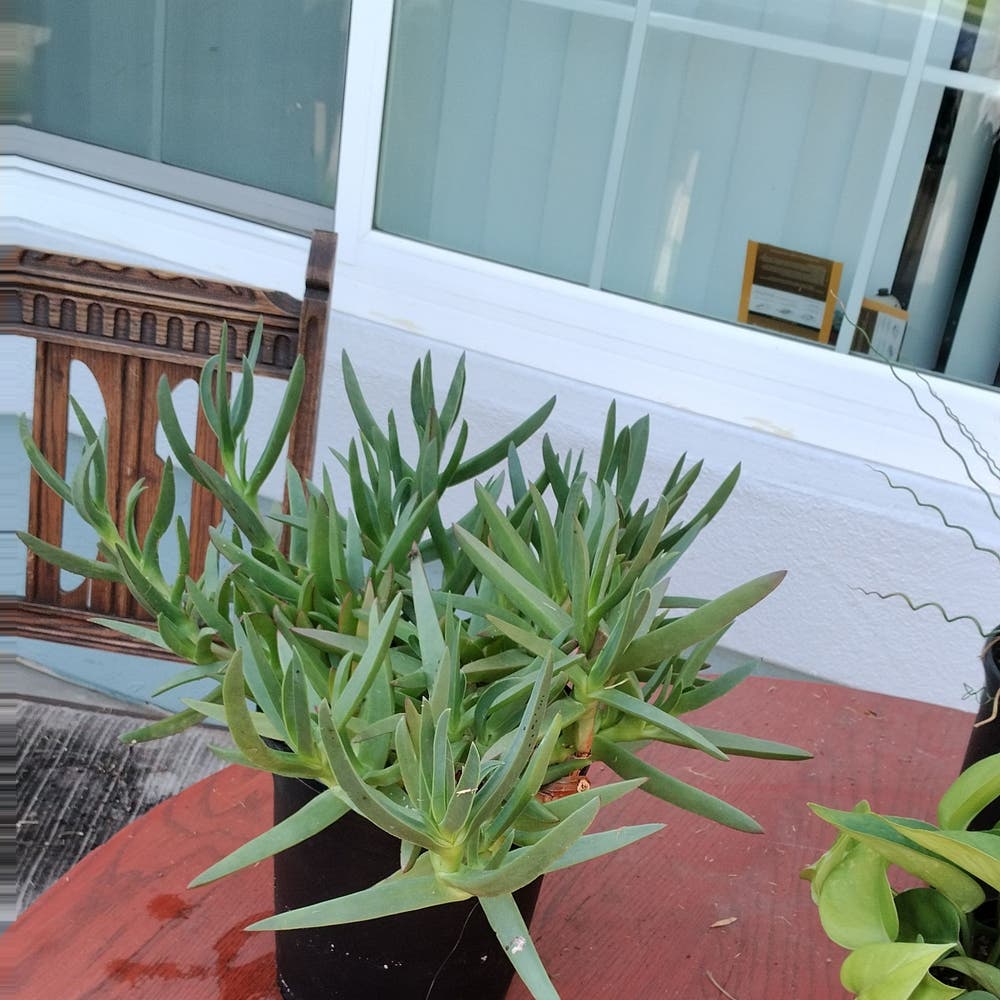
Why Are My Chilean Sea Fig Leaves Dropping?
Carpobrotus chilensis
By the Greg Editorial Team
Jun 18, 2024•4 min read
This article was created with the help of AI so we can cover more plants for you. May contain errors. See one? Report it here.
Prevent leaf loss and nurture a lush Chilean Sea Fig 🌿 with these essential, easy-to-follow care strategies.
- Temperature and drafts matter: Keep conditions stable to prevent leaf drop.
- Water wisely: Balance soil moisture and use quality water for healthy leaves.
- Routine care is key: Monitor and adjust care to maintain leaf health.
Pinpointing the Culprits Behind Leaf Drop
🌡️ Environmental Stressors
Temperature extremes are notorious for causing Chilean Sea Fig leaves to drop. Heat stress can lead to scorched, wilted leaves, while cold stress may result in yellow, stunted growth. Consistent, moderate temperatures help prevent these issues.
Drafts and sudden temperature changes are equally problematic. They create an unstable environment, leading to stress and leaf loss. Stable conditions are crucial for maintaining leaf health.
💧 Water Woes
Overwatering and underwatering both pose significant risks. The former can cause root rot, while the latter may lead to wilting. It's essential to monitor soil moisture and water accordingly.
Water quality can't be overlooked. High mineral content or chemicals in water can affect leaf health. Using filtered or rainwater can prevent potential issues related to water quality.

Unveiling Visual Clues
🚩 Spotting Stress Signals
Leaves don't just drop for the fun of it; discoloration and wilting are your Chilean Sea Fig's way of waving a white flag. Pale leaves are a no-go, and if they're starting to curl, it's a stress signal. Spots? Could be a fungal fiesta or an insect invasion. A leaf's texture change is like a secret handshake; it's telling you something's up.
🕵️ Root and Soil Sleuthing
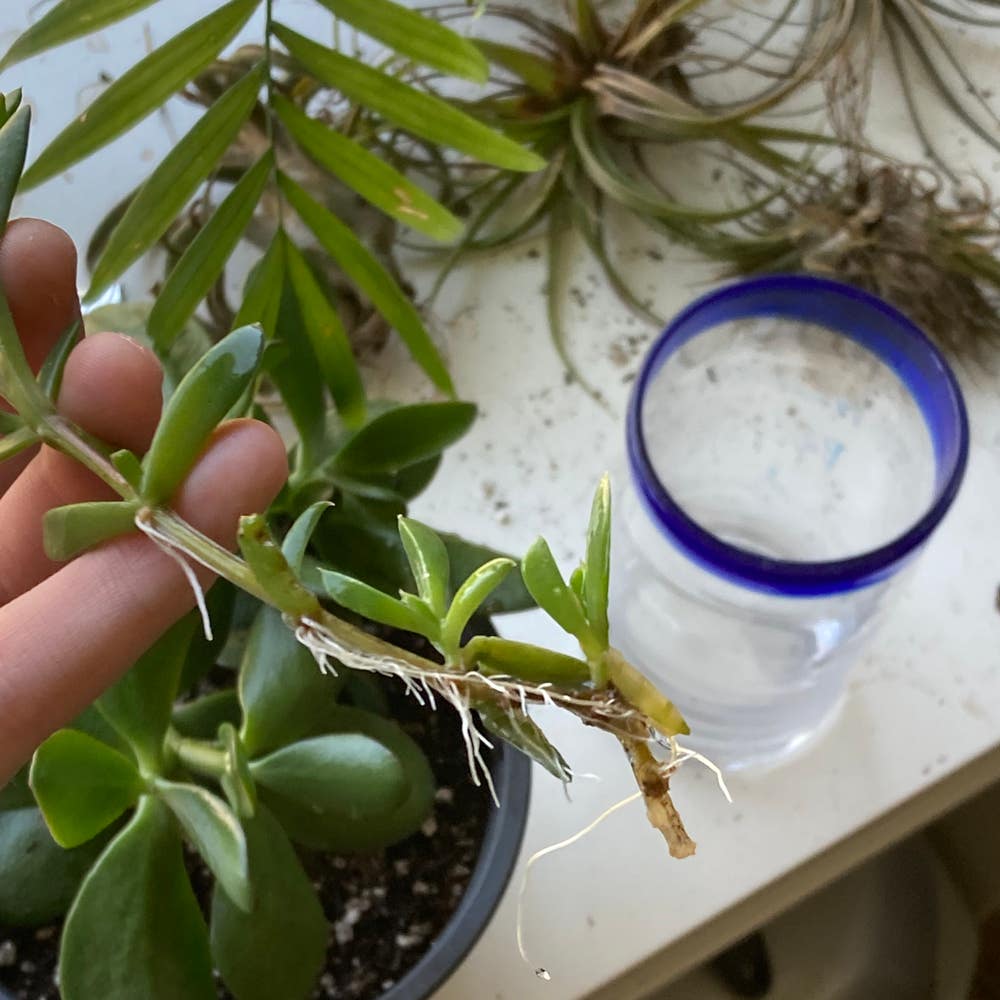
Get your hands dirty to uncover the truth about your plant's root health. If the roots are mushy or smell like last week's forgotten leftovers, you've got a problem. Firm and white roots, on the other hand, are a sign of good health. Soil moisture is a game of Goldilocks; too wet or too dry, and your plant will protest. Lift the pot; a heavyweight could mean waterlogged soil, while a featherweight pot suggests drought conditions. Remember, the right soil mix is crucial; it should be as rich and well-draining as your favorite dessert.

Crafting the Cure
💧 Watering Wisdom
Watering your Chilean Sea Fig is critical to its health. Overwatering is a common mistake; it's not about drenching the soil but keeping it consistently moist. Check the top inch of soil before watering—if it's dry, it's time to water. If not, hold off. Use filtered or rainwater to avoid mineral buildup, which can be harmful over time.
🌞 Environmental Harmony
Light and humidity are your plant's best friends. Aim for bright, indirect sunlight to avoid leaf burn. If the leaves start dropping, they might be begging for more light. Humidity should mimic a tropical environment; use a pebble tray or humidifier to achieve this. Keep temperatures stable, ideally between 65-75°F, to prevent environmental stress.
🍽️ Feeding Your Fig
Fertilization is like a tightrope walk; too much or too little can lead to leaf loss. Use a balanced fertilizer and follow the recommended dosage for your plant. Fertilize during the growing season, but ease up in the winter months. Watch for signs of nutrient deficiency—yellowing leaves may indicate a need for nitrogen, potassium, or magnesium.

Keeping Leaves Loyal: Prevention Tips
💃 The Art of Consistency
Routine is the backbone of plant care. Your Chilean Sea Fig craves predictability in its life. Establish a care schedule that's as unwavering as a metronome. Watering should be a ritual, not a random act. Tailor it to your plant's needs, which can change with the seasons.
🕵️ Vigilant Monitoring
Stay alert. Your plant's subtle changes are whispers for help. Discoloration? Wilting? These are distress signals. Respond promptly with adjustments to light, water, or temperature. Think of it as a dialogue; your plant talks, you listen and act.
🌍 Environmental Stability
Keep your plant's world as stable as a well-anchored ship. Drastic changes in temperature or humidity are like unexpected storms. Aim for a steady climate to avoid leaf drop. If you're forgetful, set reminders. Your plant's health depends on your memory.
🧹 Proactive Cleanliness
A clean plant space is a fortress against pests and diseases. Remove fallen leaves like you're clearing clutter from your favorite chill spot. It's not just about aesthetics; it's about creating a sanitary haven for your Chilean Sea Fig.
👀 Regular Inspections: The First Line of Defense
Inspect your plant like it's a precious artifact. Look for pests, odd spots, or anything out of the ordinary. Catching issues early is like nipping a bad habit in the bud—it saves you from bigger headaches down the road. Rotate your plant for even growth and to prevent it from developing a slant.
🌱 Soil and Nutrition
Keep an eye on the soil. It should be the right mix, neither too dry nor too soggy. Your plant's roots are like its stomach—nutrition matters. Fertilize with care, and remember, overfeeding can be just as harmful as neglect.
⚠️ Safety First
This content is for general information and may contain errors, omissions, or outdated details. It is not medical, veterinary advice, or an endorsement of therapeutic claims.
Always consult a qualified healthcare professional before using any plant as food, medicine, or supplement.
Never eat any plant (or feed one to pets) without confirming its identity with at least two trusted sources.
If you suspect poisoning, call Poison Control (800) 222-1222, the Pet Poison Helpline (800) 213-6680, or your local emergency service immediately.
Spotted an error? Please report it here.
Ensure your Chilean Sea Fig thrives with zero leaf drop 🍃 by leveraging Greg's adaptive care reminders, tailored to your home's unique climate and your plant's needs.