Why Are My Chilean Sea Fig Leaves Droopy?
Carpobrotus chilensis
By the Greg Editorial Team
Jun 18, 2024•3 min read
This article was created with the help of AI so we can cover more plants for you. May contain errors. See one? Report it here.
Perk up your Chilean Sea Fig's droopy leaves 🍃 by uncovering and fixing the root of the problem!
- Underwatering? Check for crisp edges and curling; water if top inch of soil is dry.
- Overwatering symptoms? Yellow, wilted leaves mean hold off watering until topsoil dries.
- Nutrient deficiency? Yellow leaves and weak stems call for balanced fertilization.
When Thirst Strikes: Underwatering Woes
🏜️ Spotting the Thirsty Signs
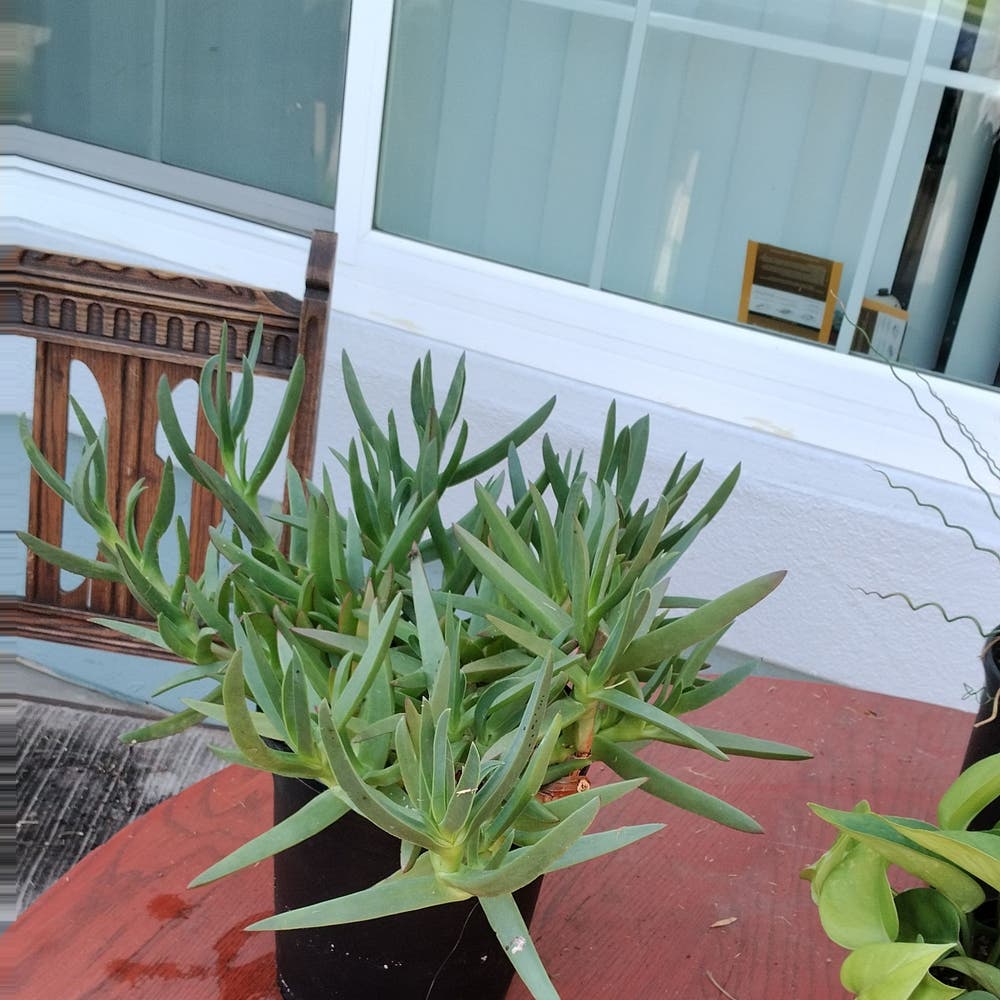
Crisp leaf edges and inward curling are the Chilean Sea Fig's cry for help. These symptoms scream underwatering. If the soil feels like a dry wasteland and the pot's lighter than your last takeout order, it's time for action.
💧 Quenching the Thirst
Watering your Chilean Sea Fig isn't rocket science, but it does require some finesse. Check the soil moisture with a finger—dryness beyond the first inch means it's time to hydrate. Aim for evenly moist soil, not a swamp. If the leaves perk up after a drink, you've hit the sweet spot. Remember, consistency is key; erratic watering schedules are a no-go.

Drowning in Excess: The Overwatering Ordeal
🌊 The Soggy Telltales
Chilean Sea Fig plants suffering from overwatering exhibit a few tell-tale signs. Yellowing leaves and a wilted appearance can be deceptive; they might scream thirst but actually whisper 'too much!'. If the soil feels more like a swamp than a bed, it's a red flag. Mushy stems and a general look of despair in your plant are the SOS calls for help.
Bail Out the Water
To rescue your Chilean Sea Fig from its soggy predicament, hold off on watering until the topsoil feels like a dry handshake. Check the pot for proper drainage – it should not hold water like a savings account. If the roots have turned into a mushy mess, it's time for some tough love; prune the damaged parts to stop the rot from spreading. Remember, your plant's life might depend on your ability to resist the watering can.

Feeling the Burn: Light and Temperature Stress
🌞 Too Much Sun or Not Enough?
Chilean Sea Fig plants are sun worshipers, but they have their limits. Yellow leaves are a sign you've gone overboard with the light, while browning tips suggest your plant is overheating. It's a delicate balance—too much sun leads to a crispy leaf graveyard, too little and your plant starts stretching out, desperate for more. Adjust your plant's location to avoid direct midday sun, especially during the hotter months.
❄️ Keeping the Cool (or Warmth)
Temperature control is crucial for Chilean Sea Fig's leaf perkiness. Heat stress can make leaves curl up as if they're trying to escape the sun's wrath, while cold stress manifests as dark, mushy spots. Aim for a consistent, comfortable temperature range, avoiding drastic fluctuations. Think of it as setting the perfect ambient mood for your plant's well-being. If you notice signs of temperature distress, move your plant to a happier spot—somewhere it won't bake or shiver.

Starved for Attention: Nutrient Deficiency Dilemmas
💡 The Signs of Nutritional Neglect
Yellow leaves on your Chilean Sea Fig? Nitrogen might be playing hard to get. If you're seeing all leaf and no flower action, it's likely your plant's diet is heavy on nitrogen but skimping on phosphorus and potassium. Weak stems? They're crying out for a balanced meal. It's not just about the color; texture and growth patterns spill the beans on what's missing in the soil buffet.
🍽️ Feeding for Strength
Time to tailor your plant's diet. Think bespoke suit, not off-the-rack. A soil test is your best friend here; it's like getting a sneak peek into your plant's pantry. Potassium deficiency making your plant's stems flop like overcooked spaghetti? A sprinkle of potash could be the superhero. But remember, moderation is the spice of life—too much is just showing off. Keep an eye on the feedback; your plant's leaves will gossip about how they're feeling post-meal. Balanced fertilization is the goal; it's like crafting a gourmet meal plan for your leafy friend.
⚠️ Safety First
This content is for general information and may contain errors, omissions, or outdated details. It is not medical, veterinary advice, or an endorsement of therapeutic claims.
Always consult a qualified healthcare professional before using any plant as food, medicine, or supplement.
Never eat any plant (or feed one to pets) without confirming its identity with at least two trusted sources.
If you suspect poisoning, call Poison Control (800) 222-1222, the Pet Poison Helpline (800) 213-6680, or your local emergency service immediately.
Spotted an error? Please report it here.
Turn your Chilean Sea Fig's frown upside down with tailored care 🌵 from Greg's custom watering plans and environmental tips, ensuring your plant thrives with just the right touch.