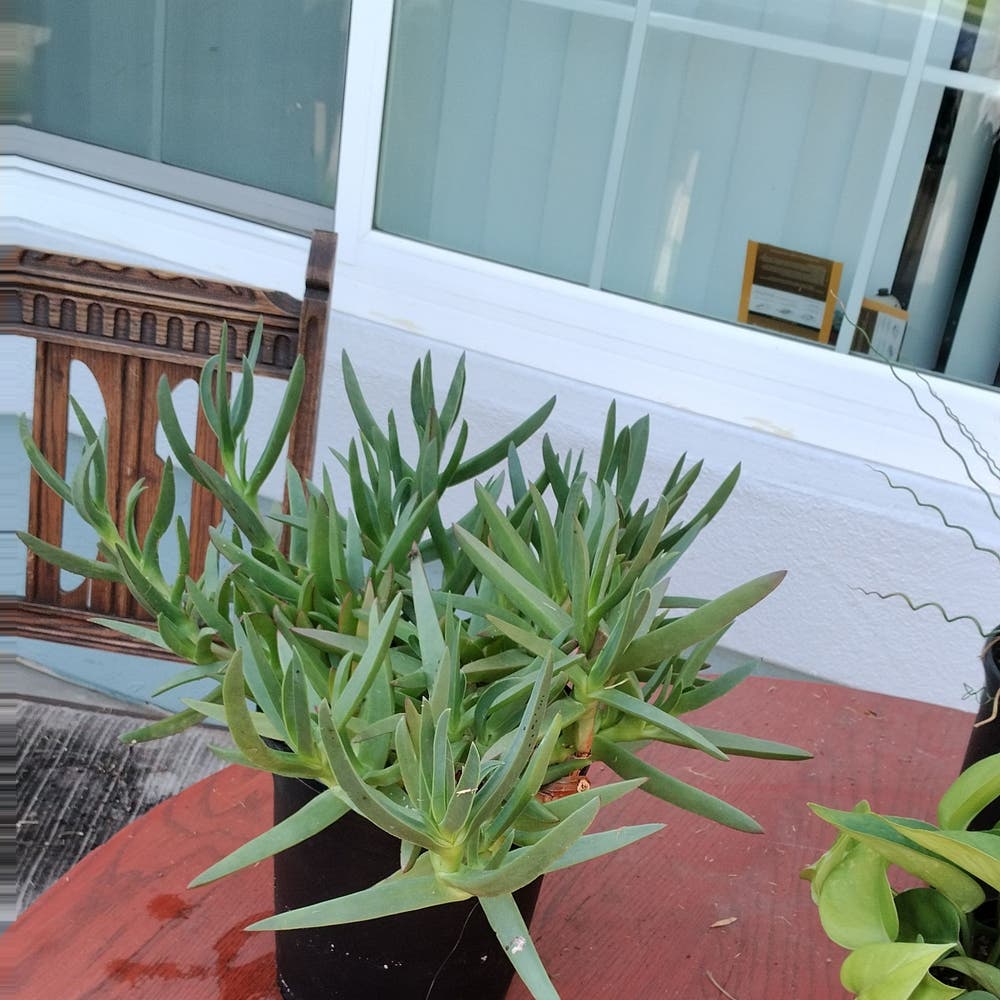
💧 What Is The Best Way To Water a Chilean Sea Fig?
Carpobrotus chilensis
By the Greg Editorial Team
Jun 18, 2024•4 min read
This article was created with the help of AI so we can cover more plants for you. May contain errors. See one? Report it here.
Nurture a thriving Chilean Sea Fig 🌵 with the ultimate watering techniques for robust growth and health.
- 🌱 Seasonal and environmental cues guide Chilean Sea Fig watering.
- 💧 Soak-and-dry method with well-draining soil ensures proper hydration.
- 🚱 Use filtered or rainwater; avoid over/underwatering to prevent damage.
When to Water Your Chilean Sea Fig
💧 Seasonal Watering Rhythms
Seasons dictate your Chilean Sea Fig's thirst levels. In the summer, it's all about frequent drinks to beat the heat. Come winter, it's time to ease up, as your plant's sipping less, conserving its inner moisture.
🌱 Understanding the Plant's Cues
Look for growth spurts or a slowdown as signs of when to grab the watering can. Active growth screams for more water; dormancy means "hold off, I'm good."
🌡️ Weather and Environment Tweaks
When the thermometer climbs, your Sea Fig's roots are practically chanting for a drink. But if you're chilling indoors with controlled temps, you'll want to adjust your watering rhythm accordingly.
🚦 Recognizing the Signs
Dry soil? It's watering time. If the leaves are throwing a pity party (think droopy), they're begging for hydration. On the flip side, yellow leaves and a squishy base scream "I'm drowning here!"
🏠 Adapting to Indoor/Outdoor Changes
Moving your plant between the great outdoors and your living room? Remember, your Sea Fig's watering needs will shift. Outdoor breezes and sun can dry soil faster than your indoor lounge spot.
🚰 Thirst or Water Overload
Your plant won't text you its water woes. Stay vigilant for subtle signs—like soil color changes and leaf attitudes—to gauge if it's time for a water fiesta or siesta.

How to Water Your Chilean Sea Fig
💧 The Right Technique
To ensure your Chilean Sea Fig flourishes, embrace the soak-and-dry method. Saturate the soil until water seeps from the drainage holes, then wait for the earth to completely dry before the next watering. This cycle replicates the succulent's native arid conditions, promoting deep root growth and overall health.
🌱 The Role of Well-Draining Soil
Well-draining soil is non-negotiable for your Chilean Sea Fig. It's the unsung hero that prevents root rot by allowing excess water to escape swiftly. Pair this with the soak-and-dry method for a match made in succulent heaven.
🛠 The Right Tools
Pots That Partner With You
Choose pots that are allies in your watering quest. They should have drainage holes aplenty to work in tandem with your watering technique, ensuring no water overstays its welcome.
🚰 The Drainage Factor
Drainage is crucial; it's the plant's lifeline. Ensure your pot's drainage system is top-notch to let excess water bid adieu. This is where the magic happens, keeping your Chilean Sea Fig's feet dry and cozy.

Water Quality and Your Chilean Sea Fig
💧 Pure Water for a Pure Plant
Filtered or rainwater isn't just for the connoisseurs of H2O; your Chilean Sea Fig will lap it up. Tap water's cocktail of minerals and chemicals might not be to your plant's liking. Rainwater is like the nectar of the gods for your Sea Fig, free from the meddling hands of municipal water treatment.
Flush out accumulated salts by letting water run through the soil occasionally. Think of it as a mini detox for your plant's roots.
🚱 How to Avoid Chemical Buildup from Tap Water
If tap water is your only option, don't despair. Let it sit out overnight; it's like airing out a good wine, but for water. This helps chlorine levels to drop, making it less of a shock to your plant's system.
Chlorine and fluoride are the undercover agents of leaf browning. If you're noticing your plant's health declining, consider switching to a purer water source. It's like choosing spring water over soda for a health kick.
Remember, your Chilean Sea Fig can be as picky about its drinks as a hipster at a coffee shop. Treat it to the good stuff, and it'll show its appreciation through vibrant growth.

Troubleshooting Watering Woes
💧 Overwatering Overkill
Yellow leaves and limp stems are the plant's way of saying, "Ease up on the H2O!" If the soil feels like a squishy, overripe peach, it's a clear sign you've been overzealous with the watering can. To fix this, let the soil dry out before you water again and check for proper drainage. If root rot has set in, you may need to repot with fresh, well-draining soil.
🏜️ Underwatering Underestimates
On the flip side, if your Chilean Sea Fig's leaves are as crispy as a fresh bag of chips, it's begging for a drink. The soil should never be as dry as a stand-up comedian's humor. When you water, do it slowly, allowing the moisture to reach the roots without creating a flash flood. A consistent watering schedule will keep your plant from turning into a desert castaway.
⚠️ Safety First
This content is for general information and may contain errors, omissions, or outdated details. It is not medical, veterinary advice, or an endorsement of therapeutic claims.
Always consult a qualified healthcare professional before using any plant as food, medicine, or supplement.
Never eat any plant (or feed one to pets) without confirming its identity with at least two trusted sources.
If you suspect poisoning, call Poison Control (800) 222-1222, the Pet Poison Helpline (800) 213-6680, or your local emergency service immediately.
Spotted an error? Please report it here.
Nurture your Chilean Sea Fig to peak health 🌊 with Greg's adaptive watering reminders that sync with your plant's life cycle and your unique home environment.