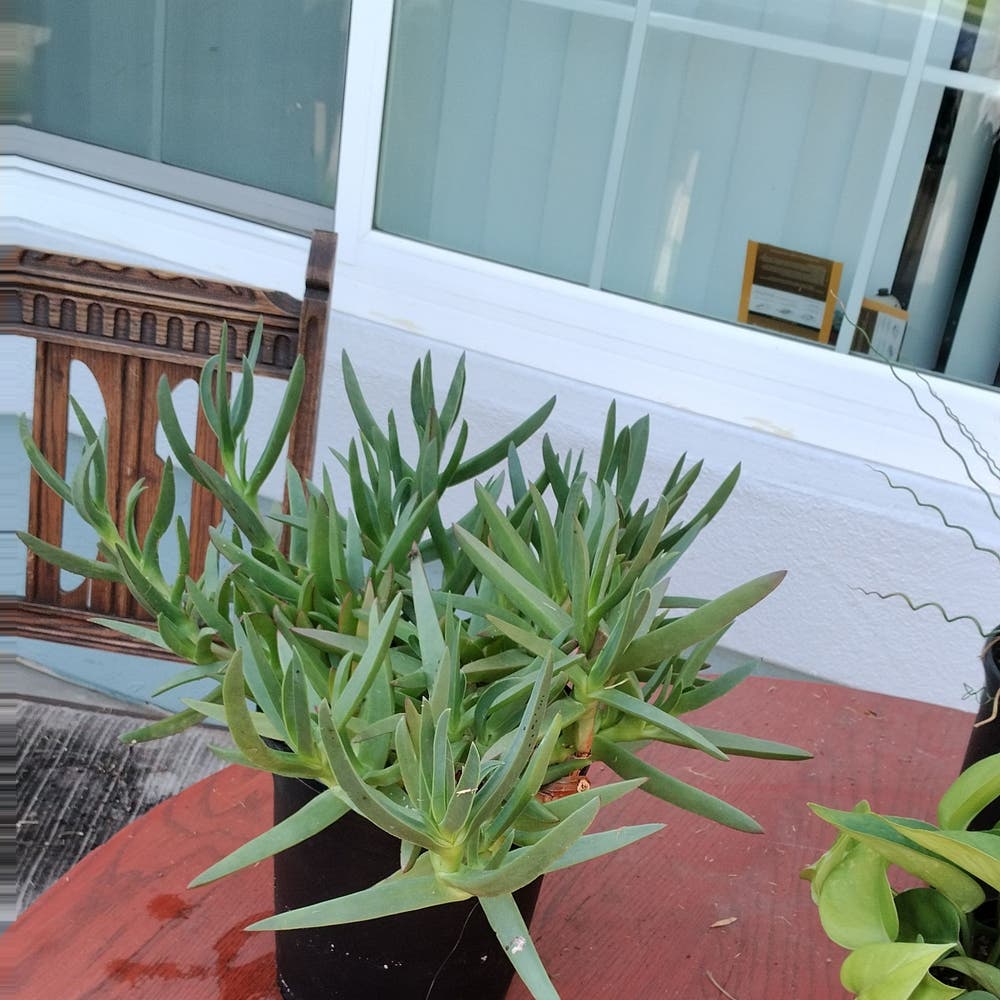
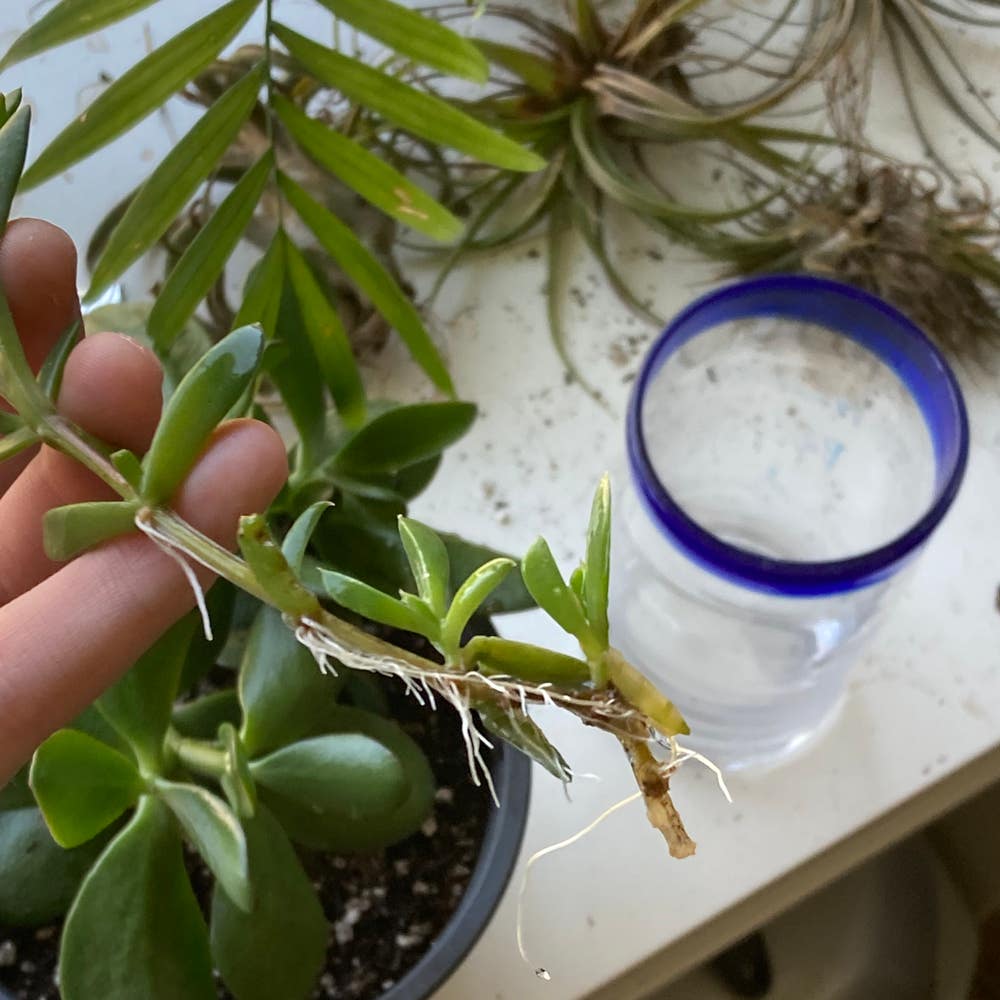
Purple Ice Plant SOS: Rescue Your Plant from Root Rot 🛟
Carpobrotus chilensis
By the Greg Editorial Team
Oct 12, 2024•5 min read
This article was created with the help of AI so we can cover more plants for you. May contain errors. See one? Report it here.
Revive your Purple Ice Plant from root rot 🌱 and ensure a thriving garden with these essential care tips! 🌿
- 🌱 Assess root health by gently removing your Purple Ice Plant from its pot.
- ✂️ Trim decayed roots with sterilized scissors to prevent further rot spread.
- 🌞 Ensure proper drainage with a new pot and well-draining soil for recovery.
Treating Root Rot
Step-by-Step Treatment Process 🌱
Remove the plant from its pot: Start by gently extracting your Purple Ice Plant from its container. Take care to avoid damaging the roots further during this process.
Inspect the roots: Once out, examine the roots closely. Identify which sections are healthy and which are showing signs of rot.
Trim affected roots: Using sterilized scissors, carefully cut away any decayed roots. This helps prevent the spread of rot to healthy parts.
Prepare a new pot: Choose a new container that has drainage holes. This is crucial for preventing future water accumulation.
Use fresh, well-draining soil: Opt for a soil mix designed for succulents, like a cactus mix. This will provide the right moisture control for your plant.
Repot the plant: Position your Purple Ice Plant in the new soil and water it lightly. This helps settle the soil around the roots without overwhelming them.
Tools and Materials Needed for Treatment 🛠️
- Sterilized scissors or pruning shears: Essential for clean cuts.
- New pot with drainage holes: Prevents water buildup.
- Well-draining soil mix: A cactus mix works best for your plant.
- Moisture meter (optional): Helps monitor soil moisture levels.
By following these steps and using the right tools, you can effectively treat root rot in your Purple Ice Plant. This proactive approach not only saves your plant but also sets the stage for its recovery and future health.
Next, let’s explore how to prevent root rot from occurring in the first place.
Preventing Root Rot
Best Soil Types for Purple Ice Plant 🌵
To keep your Purple Ice Plant thriving, start with a well-draining cactus mix. This type of soil is perfect for controlling moisture, ensuring your plant doesn’t sit in water.
You can enhance drainage further by adding perlite or sand. These additives create air pockets, allowing excess moisture to escape and preventing root rot.
Watering Techniques and Schedules 💧
Watering is crucial for your plant's health. Always allow the soil to dry out completely between waterings to avoid soggy roots.
Adjust your watering schedule with the seasons. In winter, reduce watering frequency as your plant enters a dormant phase.
Importance of Drainage in Containers 🪴
Proper drainage is essential for preventing water accumulation. Ensure your pots have drainage holes to allow excess water to escape.
Opt for terracotta or ceramic pots. These materials are breathable, helping to regulate moisture levels and keep your Purple Ice Plant happy.
By following these guidelines, you can significantly reduce the risk of root rot and keep your plant flourishing. Next, let’s explore how to monitor your plant’s health effectively.
Monitoring Plant Health
Signs of Recovery from Root Rot 🌱
After treating root rot, keep an eye out for signs of recovery. Look for new growth, such as healthy leaves or stems, which indicates your Purple Ice Plant is bouncing back.
You should also notice an improved color, with the plant returning to its vibrant green hue. Additionally, check the texture of the leaves; they should regain their plumpness, signaling that the plant is rehydrating properly.
Regular Care Practices to Prevent Recurrence 🧑🌾
To ensure your plant stays healthy, establish a consistent watering schedule. This means adhering to its moisture needs and allowing the soil to dry out completely between waterings.
Don't forget to perform periodic soil checks to confirm it remains well-draining. Lastly, provide ample sunlight exposure; your Purple Ice Plant thrives in full sun, which is crucial for its overall health.
By following these practices, you can help your plant flourish and prevent future issues with root rot. Next, let’s explore some common misconceptions about root rot in succulents.
Common Misconceptions
🌱 Myths About Root Rot in Succulents
One common myth is that "succulents don’t need much water." While it's true that these plants are drought-tolerant, they still require a balanced watering routine. Over time, neglecting their moisture needs can lead to stress and, ultimately, root rot.
Another misconception is that "root rot only occurs in overwatered plants." While excessive watering is a primary cause, root rot can also stem from poor drainage, compacted soil, or even pests. Understanding these factors is crucial for maintaining a healthy Purple Ice Plant.
💧 Clarifying Care Needs for Purple Ice Plant
It's essential to grasp the drought tolerance of the Purple Ice Plant. Allowing the soil to dry out completely between waterings is vital for its health. This practice not only prevents root rot but also encourages strong root development.
Recognizing the signs of stress early can make all the difference. Look for changes in leaf color, texture, or overall vigor. Addressing these issues promptly can lead to a quicker recovery and a thriving plant.
By debunking these myths and understanding the true care needs of your Purple Ice Plant, you can foster a healthier environment and enjoy its vibrant beauty for years to come.
Next, let’s explore how to monitor your plant’s health effectively.
⚠️ Safety First
This content is for general information and may contain errors, omissions, or outdated details. It is not medical, veterinary advice, or an endorsement of therapeutic claims.
Always consult a qualified healthcare professional before using any plant as food, medicine, or supplement.
Never eat any plant (or feed one to pets) without confirming its identity with at least two trusted sources.
If you suspect poisoning, call Poison Control (800) 222-1222, the Pet Poison Helpline (800) 213-6680, or your local emergency service immediately.
Spotted an error? Please report it here.
Revive your Purple Ice Plant from root rot with Greg's tailored watering reminders and moisture tracking, ensuring it thrives in its new home! 🌿