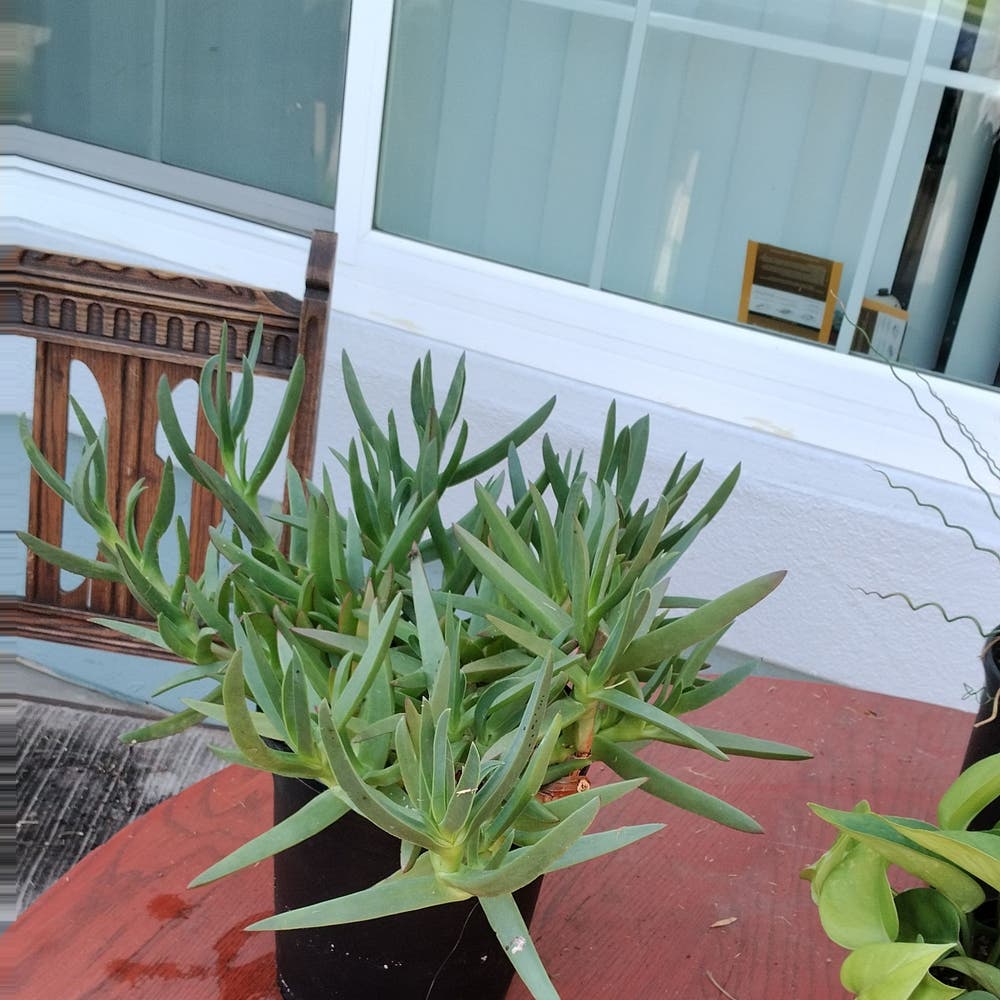
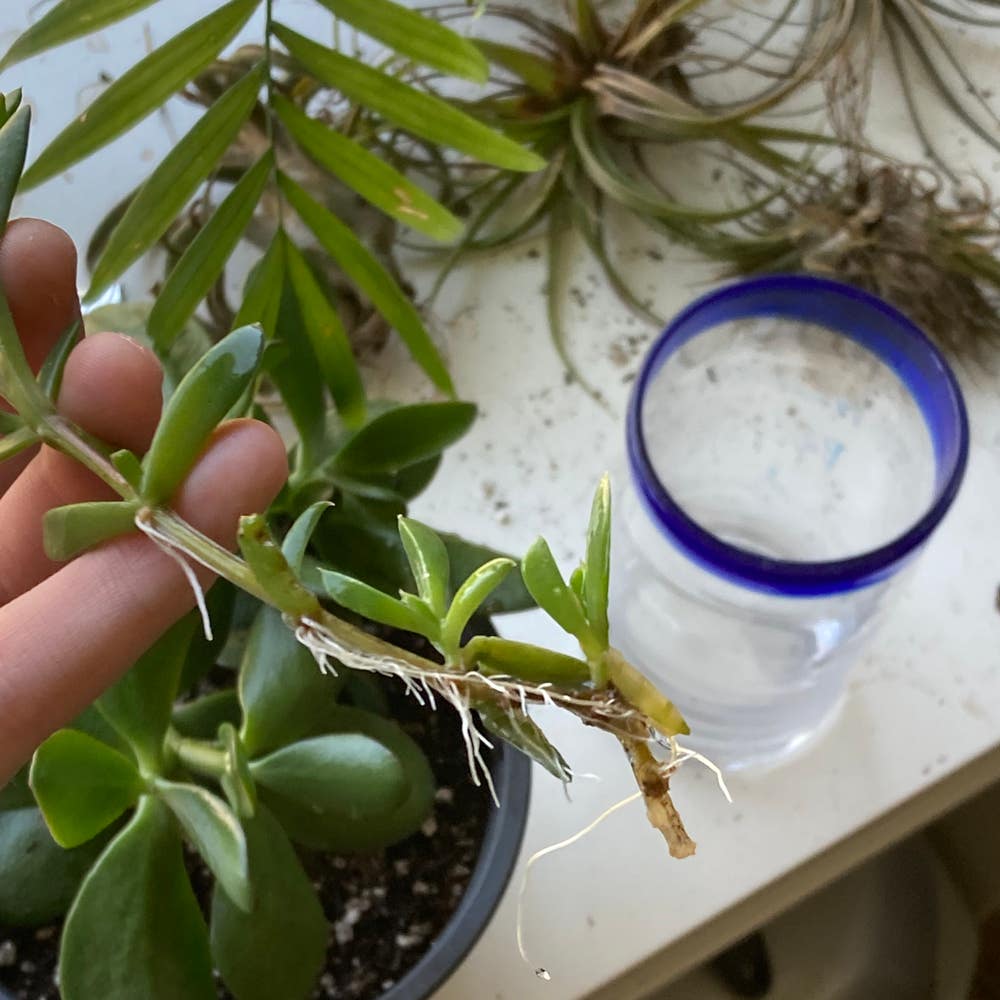
💧 How Much Humidity Does My Chilean Sea Fig Need?
Carpobrotus chilensis
By the Greg Editorial Team
Jun 18, 2024•3 min read
This article was created with the help of AI so we can cover more plants for you. May contain errors. See one? Report it here.
Discover the secret to a lush Chilean Sea Fig 🌵—perfect humidity levels for vibrant growth!
- 40-50% humidity ideal for Chilean Sea Fig health.
- 🍂 Dry leaves mean more moisture needed; use humidifiers or group plants.
- Ventilation and dehumidifiers combat excessive humidity.
Spotting the Signs: Chilean Sea Fig and Humidity Distress
🏜️ When the Air's Too Dry
Dry, curling leaves on your Chilean Sea Fig are red flags; they're practically holding up signs begging for more humidity. Brown leaf tips are the plant's version of thirsty lips, indicating the air is too parched for comfort.
Shriveled new growth is a dire warning. It's like the plant's youth is being sapped before it even has a chance to flourish. Ignoring these signs can lead to stunted growth and a lackluster appearance.
🚰 When It's a Humidity Jungle
Conversely, leaves that feel unusually soft or show signs of yellowing might be drowning in moisture. It's like your plant's roots are trying to swim without knowing how.
Mold or mildew on the soil or leaves is the botanical equivalent of a cold sweat. It's a clear sign that the humidity is too high, and without intervention, it could lead to root rot or fungal diseases.

Nailing the Numbers: Ideal Humidity for Your Chilean Sea Fig
⚖️ The Sweet Spot
The optimal relative humidity (RH) for your Chilean Sea Fig hovers between 40-50%. This range strikes a balance that avoids the perils of arid or swampy conditions, ensuring your plant's leaves stay supple, not crispy or moldy.
Relative Humidity and Your Home
Relative humidity might sound like weatherman jargon, but it's simply the moisture level in the air compared to what it could hold at a certain temperature. It's crucial for your Chilean Sea Fig's well-being. To keep tabs on RH, arm yourself with a hygrometer—it's like a thermometer for water vapor. If the numbers are off, tweak your indoor humidity with a humidifier or dehumidifier, depending on whether you need more moisture or less. Keep an eye on your plant and your comfort; if one of you starts to wilt, it's time to adjust.

Humidity Helpers: Boosting Moisture for Your Chilean Sea Fig
🌴 Creating a Mini Oasis
Grouping your Chilean Sea Figs with other leafy comrades can turn your space into a mini moisture haven. Each plant sweats out water vapor, and together, they're like a tiny rainforest minus the monkeys. For a low-tech humidity hack, try a pebble tray. Just fill a tray with stones, pour in some water, and park your plant on top. It's evaporation magic at work, and it's dead simple.
🌬️ Tech to the Rescue
When it comes to upping the humidity game, humidifiers are the MVP. They're not just for flu season; these gadgets can create a tropical paradise for your Chilean Sea Fig. Find one that doesn't sound like a jet engine, and you're golden. Remember, it's about hitting that sweet spot—too much of a good thing, and you're in a swamp, too little, and you're in a desert. Keep an eye on that humidity dial like it's the last slice of pizza at a party.

Dealing with Dampness: Reducing Excess Humidity
💨 Airflow is Your Friend
Improving ventilation is a straightforward fix for high humidity. Open a window or let a fan run to keep the air from becoming stagnant. This simple act can greatly reduce the chances of mold and other moisture-related issues.
💧 The Dehumidifying Duo
Dehumidifiers work wonders in pulling excess moisture from the air. They're especially useful in spaces where ventilation alone doesn't cut it. Pairing your Chilean Sea Fig with humidity-absorbing plants like Boston Ferns can also help balance indoor moisture levels. Remember, it's about creating an environment that's comfortable for both you and your plants.
⚠️ Safety First
This content is for general information and may contain errors, omissions, or outdated details. It is not medical, veterinary advice, or an endorsement of therapeutic claims.
Always consult a qualified healthcare professional before using any plant as food, medicine, or supplement.
Never eat any plant (or feed one to pets) without confirming its identity with at least two trusted sources.
If you suspect poisoning, call Poison Control (800) 222-1222, the Pet Poison Helpline (800) 213-6680, or your local emergency service immediately.
Spotted an error? Please report it here.
Keep your Chilean Sea Fig's leaves unfurled and fabulous 🌿 by using Greg to track humidity levels and get personalized tips to maintain that perfect 40-50% range.