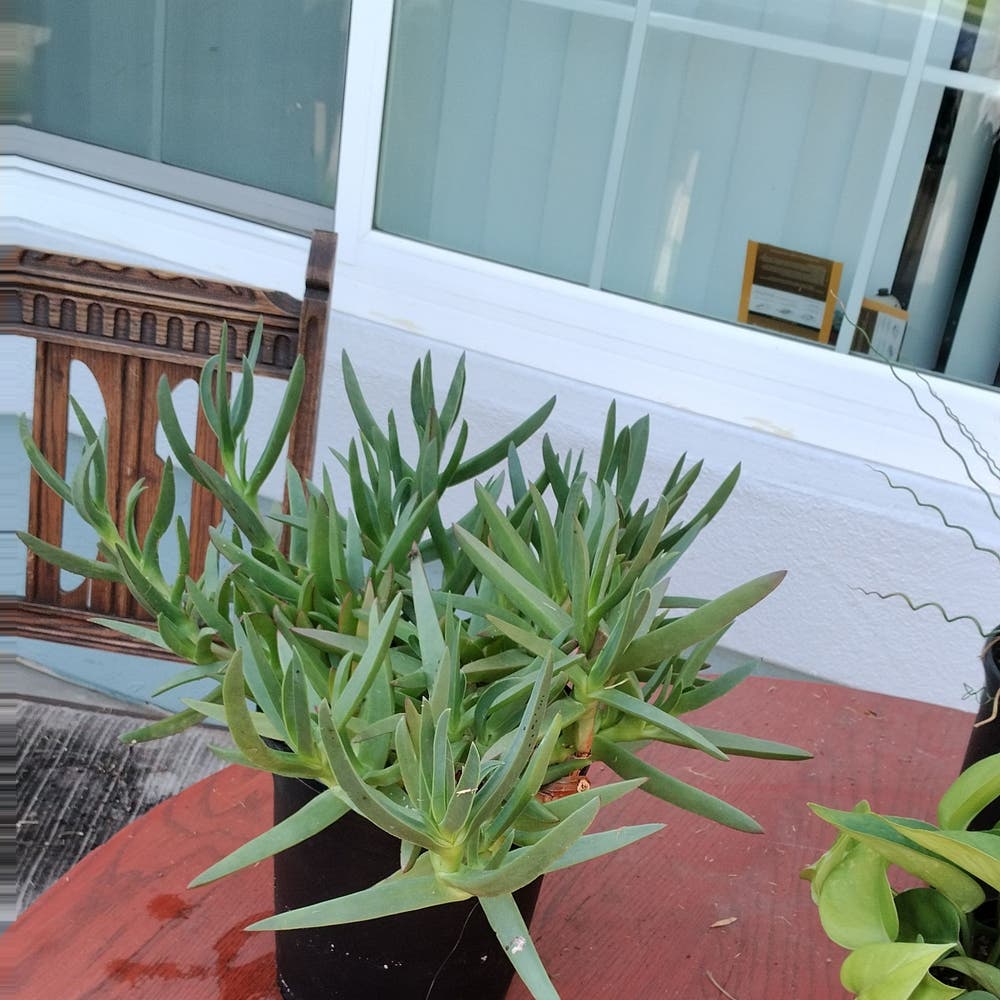
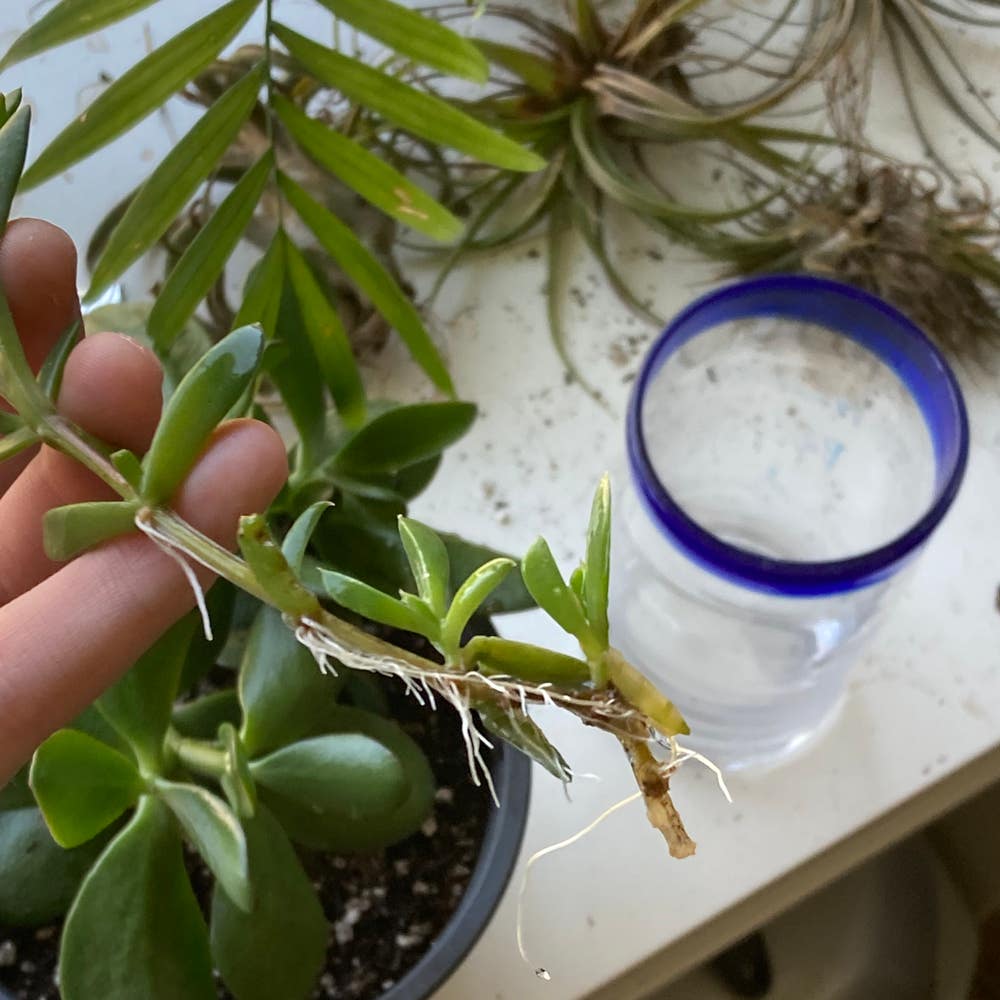
How to Cure Leaves Falling Over on Your Purple Ice Plant 🧊
Carpobrotus chilensis
By the Greg Editorial Team
Oct 12, 2024•5 min read
This article was created with the help of AI so we can cover more plants for you. May contain errors. See one? Report it here.
Transform your Purple Ice Plant's health and prevent leaf drop with these essential care tips! 🌱💧
- 🌞 Purple Ice Plants need 6+ hours of sunlight daily to thrive and prevent leggy growth.
- 💧 Soil moisture is crucial; use a moisture meter to maintain optimal levels.
- 🐛 Regularly inspect for pests like aphids to prevent leaf drop and ensure plant health.
Diagnosing the Problem
Assessing Soil Moisture Levels 🌧️
Understanding soil moisture is crucial for your Purple Ice Plant's health. A soil moisture meter is your best friend here, providing accurate readings to help you gauge when to water.
Alternatively, you can use the finger test. Simply insert your finger 1-2 inches into the soil; if it feels dry, it’s time to give your plant some water.
Checking for Pests and Diseases 🐛
Pests can wreak havoc on your plant. Common culprits include aphids, mealybugs, and spider mites, which can lead to significant leaf drop.
Look for signs of infestation such as sticky residue, webbing, or visible insects. Catching these issues early can save your plant from further damage.
Evaluating Light Conditions ☀️
Light is vital for your Purple Ice Plant's growth. It requires a minimum of 6 hours of direct sunlight daily to thrive.
If you notice stretching or leggy growth, your plant may not be getting enough light. Adjusting its position can make a world of difference.
Identifying Nutrient Deficiencies 🍃
Nutrient deficiencies can manifest in various ways. Yellowing leaves and stunted growth are common symptoms that indicate your plant might be lacking essential nutrients.
Balanced nutrients are crucial for overall plant health. Ensuring your Purple Ice Plant receives the right mix can prevent these issues from arising.
By diagnosing these problems, you can take actionable steps to restore your plant's vitality. Next, let’s explore effective solutions for leaf drop.
Solutions for Leaf Drop
🌊 Adjusting Watering Practices
Establishing a consistent watering schedule is crucial for your Purple Ice Plant. Water when the top inch of soil feels dry to the touch.
Utilize the soak and dry method for optimal moisture levels. Water thoroughly, then allow the soil to dry out completely before the next watering.
🕳️ Improving Soil Drainage
Soil drainage is vital for preventing leaf drop. A recommended soil mix consists of 50% potting soil and 50% perlite or sand.
Ensure your pots have drainage holes. This prevents water accumulation, which can lead to root rot.
☀️ Modifying Light Exposure
Light exposure plays a significant role in plant health. Relocate your Purple Ice Plant to a spot where it receives at least six hours of direct sunlight daily.
For indoor plants lacking natural light, consider using grow lights. This can help mimic the sunlight they crave.
🌱 Fertilizing Appropriately
Fertilization is key during the growing season. Aim to fertilize every 4-6 weeks for best results.
Use a balanced, water-soluble fertilizer, such as NPK 10-10-10. This ensures your plant receives the essential nutrients it needs to thrive.
With these solutions in place, your Purple Ice Plant should bounce back beautifully. Next, let’s explore some preventative measures to keep your plant healthy and vibrant.
Preventative Measures
Best Practices for Watering 🌊
Adjust your watering frequency based on seasonal changes. During warmer months, your Purple Ice Plant may need more water, while in cooler months, less is often sufficient.
Look for signs of proper watering: healthy, firm leaves that stand tall without drooping. This indicates your plant is getting just the right amount of moisture.
Ideal Soil Mix 🪴
Use a well-draining potting mix, ideally blended with perlite or sand. This combination ensures that excess water drains away, preventing root rot.
Maintaining a slightly acidic to neutral soil pH (between 6.0 and 7.0) is crucial for optimal growth. This balance helps your plant absorb nutrients effectively.
Seasonal Care Tips ❄️☀️
In winter, reduce your watering frequency and protect your plant from frost. Ice Plants are resilient, but they still appreciate a little extra care during chilly months.
Conversely, during the summer, increase watering to keep your plant hydrated. Hotter temperatures can lead to quicker evaporation, so keep an eye on moisture levels.
Regular Pest Inspections 🔍
Conduct pest inspections every 2 to 4 weeks to catch any infestations early. Regular checks can save your plant from significant damage.
If you spot pests, consider using neem oil or insecticidal soap as treatment options. These are effective and less harsh alternatives to chemical pesticides.
By following these preventative measures, you can keep your Purple Ice Plant thriving and vibrant. Next, let’s explore some common misconceptions about Ice Plant care that could be affecting your gardening journey.
Common Misconceptions
🌱 Myths About Ice Plant Care
One common misconception is that Ice Plants can thrive in any soil type. In reality, they require well-draining soil to prevent root rot, which can quickly turn your vibrant plant into a sad, droopy mess.
💧 Clarifying Succulent Care vs. Traditional Plant Care
Another point of confusion lies in the watering needs of succulents compared to traditional plants. Succulents, including Ice Plants, need less frequent watering, making it crucial to understand their unique requirements.
Proper drainage is essential for succulent health, unlike many traditional plants that can tolerate more moisture. This distinction is vital for keeping your Ice Plant thriving and vibrant.
Understanding these misconceptions can help you provide the best care for your Ice Plant. With the right knowledge, you can ensure your plant remains healthy and beautiful.
Next, let’s explore some effective preventative measures to keep your Ice Plant in top shape.
⚠️ Safety First
This content is for general information and may contain errors, omissions, or outdated details. It is not medical, veterinary advice, or an endorsement of therapeutic claims.
Always consult a qualified healthcare professional before using any plant as food, medicine, or supplement.
Never eat any plant (or feed one to pets) without confirming its identity with at least two trusted sources.
If you suspect poisoning, call Poison Control (800) 222-1222, the Pet Poison Helpline (800) 213-6680, or your local emergency service immediately.
Spotted an error? Please report it here.
Keep your Purple Ice Plant thriving 🌿 by using Greg's tailored reminders for watering, sunlight, and pest control to ensure those leaves stay vibrant and healthy!