🐚 Introduction to Sea Fig
Carpobrotus chilensis
By the Greg Editorial Team
Jan 23, 2025•12 min read
This article was created with the help of AI so we can cover more plants for you. May contain errors. See one? Report it here.
Elevate your garden with sea fig 🌿, a stunning, drought-resistant plant that thrives in tough conditions and attracts wildlife!
- 🌞 Sea fig needs at least six hours of sunlight daily for optimal growth.
- 🌱 Well-drained sandy soil with pH 6.0-7.0 is essential for planting sea fig.
- 💧 Water deeply but infrequently to prevent root rot and promote healthy growth.
How to Grow
Choosing a Location 🌞
To thrive, sea fig needs full sun, requiring at least six hours of direct sunlight daily. Additionally, ensure the planting area has well-drained soil to prevent root rot, which can be detrimental to the plant's health.
Soil Preparation 🏜️
Opt for sandy, well-draining soil to support the growth of sea fig. The ideal soil pH ranges from slightly acidic to neutral, between 6.0 and 7.0.
Incorporating organic matter can significantly enhance soil fertility, providing essential nutrients for robust growth.
Planting Techniques 👩🌾
When planting, space sea fig plants 12 to 18 inches apart to allow for optimal growth. It's crucial to plant them at the same depth as they were in their nursery containers to ensure they establish well.
Watering Requirements 🚰
Water your sea fig deeply but infrequently, allowing the soil to dry out between watering sessions. For best results, consider using drip irrigation or soaker hoses, which provide consistent moisture without waterlogging the roots.
Fertilizing 🍽️
A balanced, slow-release fertilizer is ideal for sea fig. Fertilize once in early spring and again in mid-summer to support healthy growth throughout the growing season.
Pruning and Ongoing Care 🛡️
Regular maintenance is key to a thriving sea fig. Remove any dead or damaged leaves to promote airflow and reduce the risk of disease.
During the growing season, keep an eye out for pests and diseases, especially in humid conditions, to ensure your plants remain healthy and vibrant.
With these tips, you'll be well on your way to cultivating a flourishing sea fig garden! Next, let's explore how to propagate this resilient plant.
Propagation
🧪 Methods
Propagation of sea fig can be done through seeds or cuttings, both of which are straightforward and rewarding.
Seeds
- Collect seeds from mature fruit. This ensures you have viable seeds for planting.
- Sow seeds in well-draining soil. This is crucial for preventing rot.
- Keep soil moist until germination. Consistent moisture helps the seeds sprout successfully.
Cuttings
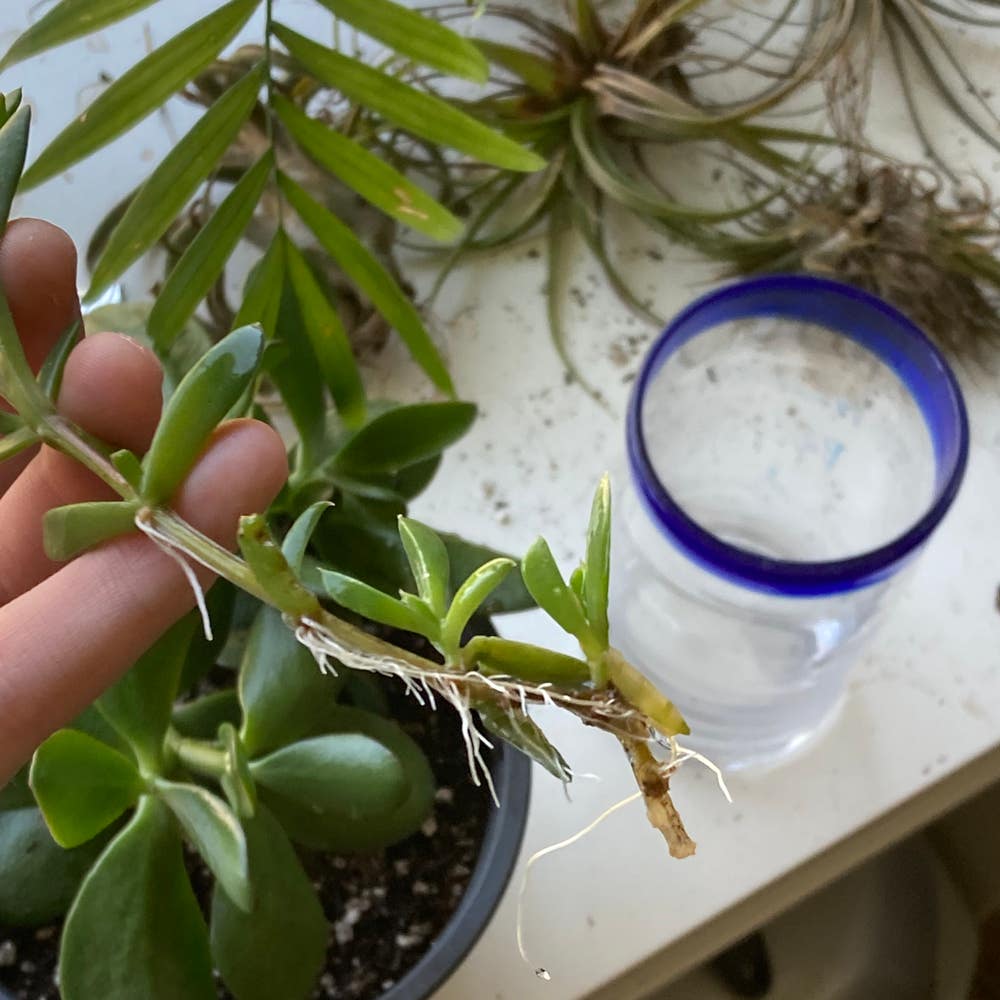
- Take 4-6 inch cuttings from healthy stems. Choose vigorous growth for the best results.
- Allow cuttings to callous for 1-2 days. This step helps prevent rot when planted.
- Plant in sandy soil and water lightly. This promotes healthy root development without oversaturation.
These propagation methods are not only effective but also a fun way to expand your sea fig collection. Whether you choose seeds or cuttings, both methods can lead to thriving plants that enhance your garden's beauty.
As you explore propagation, remember to monitor your new plants closely. This attention will ensure they thrive and grow into the vibrant sea figs you envision.
Lifecycle
Stages of Growth 🌱
The lifecycle of the Sea Fig is a fascinating journey that begins with germination. Under optimal conditions, seeds sprout within 7-14 days, marking the start of their growth adventure.
Once germinated, the plants enter the seedling stage, lasting 2-4 weeks until they develop true leaves. This is a crucial period where they establish their foundation for future growth.
Next comes the vegetative growth phase, a time of rapid development that can last several months. During this stage, the plants focus on building strong stems and lush foliage.
As late spring approaches, the Sea Fig typically bursts into flowering. This vibrant display not only attracts pollinators but also sets the stage for the next phase: seed production.
After flowering, seeds develop and are ready for collection. This completes the lifecycle, allowing for new plants to emerge and continue the cycle.
Growth Timeframe ⏳
In terms of growth timeframe, Sea Figs take about 1-2 years to reach full maturity. This moderate growth rate means they can grow up to 12 inches per year under ideal conditions.
With proper care, you’ll witness their transformation from tiny seeds to robust plants, enriching your garden with their beauty and resilience.
As you nurture your Sea Fig, keep an eye on their progress; each stage is a testament to nature's incredible ability to thrive.
Size
Mature Dimensions 🌱
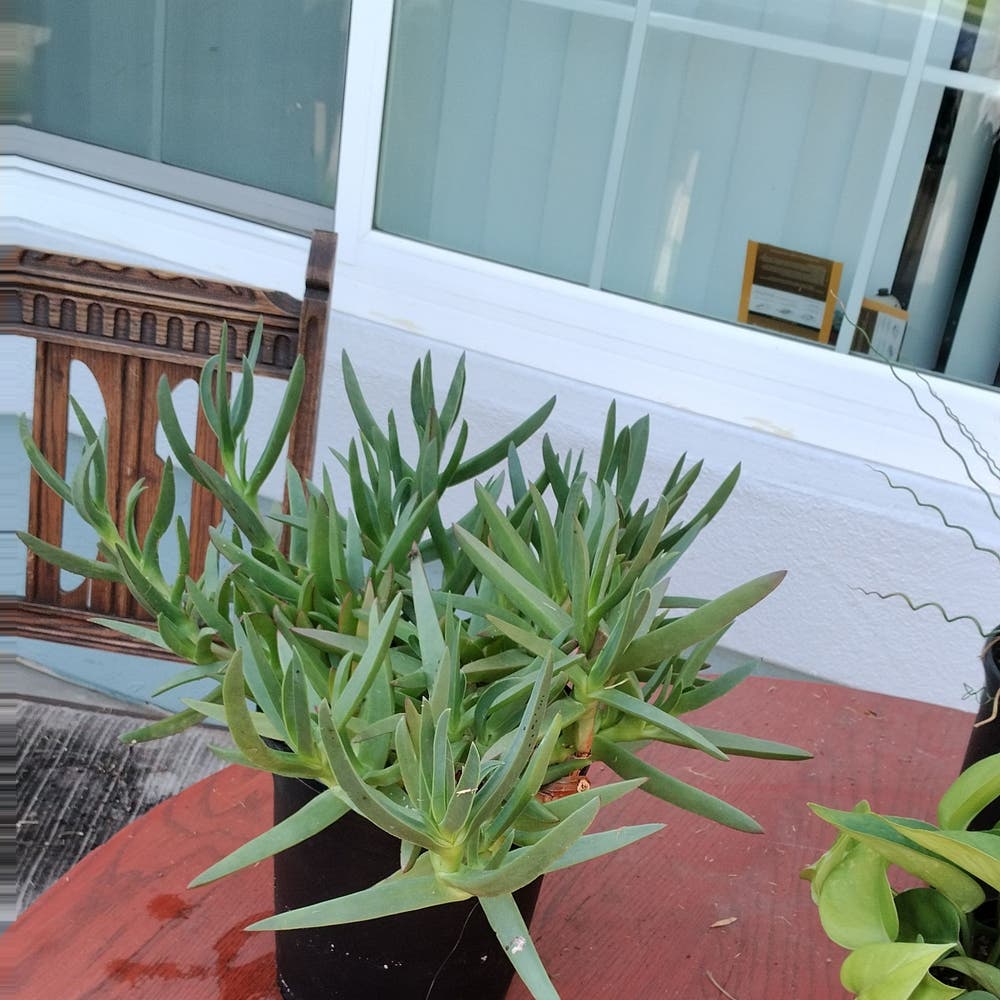
Sea fig plants typically reach a height of 12 to 18 inches. They can spread impressively, extending up to 3 feet wide, making them a great choice for ground cover.
Growth Rate 📈
The growth rate of sea fig is influenced by several factors, including sunlight, water, and soil quality. In optimal conditions, these plants thrive, but those in poor soil or shaded areas may be noticeably smaller.
Understanding these dimensions and growth patterns can help you plan your garden layout effectively. With the right care, your sea fig can become a vibrant addition to your landscape.
Roots
Characteristics 🌱
Sea fig boasts a fibrous root system that is essential for its stability and growth. These roots can extend up to 12 inches deep, allowing the plant to access moisture and nutrients effectively.
Spread 🌍
The roots of the sea fig spread horizontally, which plays a crucial role in erosion control. This characteristic makes it an excellent choice for stabilizing sandy soils, particularly along coastlines.
Common Issues ⚠️
Despite their resilience, sea fig roots can encounter problems. Root rot is a common issue caused by overwatering, leading to mushy roots that can jeopardize the plant's health.
Rootbound 🪴
Another concern is becoming rootbound, which happens when roots fill the pot. This condition often results in stunted growth, as the plant struggles to absorb necessary nutrients.
Visual Cues 👀
Identifying root health is straightforward. Healthy roots are typically firm and exhibit a white or light tan color. In contrast, unhealthy roots may appear dark, mushy, or even emit a foul smell.
Understanding these root characteristics and issues is vital for maintaining a thriving sea fig. By keeping an eye on root health, you can ensure your plant remains robust and vibrant. Next, let’s explore the benefits of growing sea fig and how it can enhance your garden.
Benefits
Top 5 Benefits 🌟
1. Erosion Control
Sea fig plays a crucial role in stabilizing sandy soils along coastlines. Its fibrous root system helps prevent erosion, making it a natural protector of vulnerable shorelines.
2. Drought Resistance
This hardy plant thrives in arid conditions, requiring minimal water. Its low water needs make it an excellent choice for drought-prone areas, ensuring sustainability in challenging climates.
3. Aesthetic Appeal
With its vibrant flowers, sea fig adds a splash of color to any garden. Its unique appearance not only beautifies landscapes but also attracts pollinators, enhancing biodiversity.
4. Wildlife Habitat
Sea fig serves as a vital habitat for local wildlife. It provides shelter and food for various species, contributing to a balanced ecosystem.
5. Cultural Significance
Historically, sea fig has been valued for its edible parts and medicinal properties. Indigenous peoples have long utilized this plant, showcasing its importance in traditional practices.
These benefits highlight why sea fig is not just a beautiful addition to gardens but also a valuable ally in environmental conservation and cultural heritage. As we explore its propagation and care, consider how this remarkable plant can enhance your outdoor space.
Companion Plants
Companion Planting 🌱
Companion planting is a fantastic way to enhance your garden's diversity and health. By strategically placing plants together, you can improve pest management and create a more vibrant ecosystem.
Compatible Plants 🌼
When it comes to sea fig, consider pairing it with drought-tolerant companions like lavender and rosemary. These plants share similar care requirements and can help repel pests, making them ideal partners in your garden.
Plants to Avoid 🚫
On the flip side, steer clear of heavy feeders such as tomatoes and corn. These plants compete for nutrients, which can hinder the growth of your sea fig and lead to poor overall health.
By choosing the right companions, you can create a thriving garden that benefits all its inhabitants. Next, let’s explore the potential toxicity of sea fig to humans and pets.
Toxicity to Humans
Safety 🌱
Sea fig is generally safe for humans. It is not listed as toxic by major poison control centers, making it a worry-free addition to your garden.
Minor Issues ⚠️
While handling or consuming sea fig in small amounts is safe, be aware of potential mild skin irritation or digestive discomfort if consumed excessively. Always consult a medical professional if you experience unusual symptoms after contact or ingestion.
This plant offers a delightful experience without significant health risks, allowing you to enjoy its beauty and benefits with peace of mind. As we explore more about sea fig, let's dive into its edible parts and nutritional value.
Edible
Edible Parts 🌱
Sea fig offers deliciously fleshy leaves and fruit that are not only unique but also versatile in the kitchen. Before enjoying them, make sure to wash them thoroughly; they can be eaten raw in salads or cooked in various dishes.
Nutritional Value 🥗
These plants are packed with essential vitamins and minerals, making them a nutritious addition to your diet. Traditionally, sea figs have been used in salads and as natural remedies, showcasing their culinary and health benefits.
Incorporating sea figs into your meals can enhance both flavor and nutrition, making them a delightful choice for any food enthusiast. As you explore their uses, you'll discover the joy of adding this unique plant to your culinary repertoire.
Toxicity to Dogs
Safety 🐶
Sea fig is not listed as toxic by major pet poison control centers. Generally, it's considered safe for dogs, although minor gastrointestinal upset may occur if they consume it in excessive amounts.
Tips for Introduction 🐾
To ensure your dog's safety, place sea fig out of their reach. Additionally, monitor your dog's behavior around new plants to catch any unusual reactions early on.
With these precautions, you can enjoy the beauty of sea fig in your garden without worrying about your furry friends.
Toxicity to Cats
Safety 🐾
Sea fig is not listed as toxic by major pet poison control centers. Generally, it is considered safe for cats, although minor gastrointestinal upset may occur if they consume it in large quantities.
Tips for Introduction 🏡
When introducing sea fig to your home, proper placement is key. Keep it out of reach of curious cats to prevent any potential nibbling.
Monitoring 👀
Always observe your cat's behavior around new plants. This way, you can ensure they are not overly interested in the sea fig and can address any unusual behavior promptly.
With these precautions, you can enjoy the beauty of sea fig in your garden without worrying about your feline friends.
Problems
Common Issues 🌱
Growing sea fig can be rewarding, but it’s not without its challenges. Here are some common issues you might encounter.
Incorrect Watering 💧
Watering is crucial for sea fig health. Underwatering can lead to wilting, while overwatering results in mushy leaves.
Incorrect Light Conditions ☀️
Light plays a vital role in growth. If your sea fig is leggy, it’s likely not getting enough light, whereas scorched leaves indicate too much direct sunlight.
Diseases 🦠
Fungal diseases, such as powdery mildew, can plague your plants. Ensure good airflow around your sea fig to prevent these issues.
Root Problems 🌿
Root rot is a common concern, often caused by overwatering. To combat this, make sure your soil has proper drainage.
Leaf Issues 🍃
Keep an eye on your leaves for signs of trouble. Yellowing or fuzzy growth can indicate pests or disease, signaling that it’s time for some intervention.
By staying vigilant and addressing these common problems, you can help your sea fig thrive. Next, let’s explore the potential pest issues that could affect your plant's health.
Bugs
Potential Pest Issues 🐜
When growing sea fig, it's essential to be vigilant about potential pest issues that can affect your plants. Here are some common pests to watch out for:
Spider Mites
These tiny pests can wreak havoc on your sea fig. Look for webbing and stippled leaves as signs of infestation. Treat them promptly with insecticidal soap to keep your plants healthy.
Scale Insects
Scale insects are identifiable by their sticky residue and small bumps on stems. You can manage them by removing them manually or applying horticultural oil for effective control.
Mealybugs
If you notice cotton-like masses on your leaves, mealybugs are likely the culprits. A simple treatment involves using alcohol-soaked cotton swabs to eliminate these pests.
Aphids
Aphids can cause curled leaves and leave a sticky residue behind. To control them, neem oil is a great option that is both effective and safe for your plants.
Whiteflies
These pests can be tricky to spot, but if you see flying insects when you disturb your plants, you may have whiteflies. Yellow sticky traps can help manage their population effectively.
Keeping Your Sea Fig Safe 🛡️
Regular monitoring and prompt action are key to keeping your sea fig thriving. By being proactive about pest management, you can enjoy a healthy and vibrant garden.
Next, let’s explore what animals might be interested in snacking on your sea fig!
What Eats Sea Fig
Common Animals 🦌
Sea fig is a delightful plant, but it does attract a variety of hungry critters.
- Deer are notorious for munching on sea fig, leaving behind chewed leaves and broken stems.
- Rabbits can also be a problem, often resulting in missing leaves and stems.
- Squirrels may dig around the base of the plant, causing damage as they search for food.
- Birds are known to peck at the flowers and fruits, adding to the list of potential pests.
- Rodents leave telltale signs like gnaw marks and burrowing near the roots, indicating their presence.
Deterrent Methods 🚫
To protect your sea fig from these hungry visitors, consider a few effective deterrent methods.
- Chemical deterrents can be useful; commercial repellents are available that can help keep animals at bay.
- For a more natural approach, try organic control methods. Planting strong-smelling herbs nearby can deter pests, or you can use physical barriers like fencing to protect your plants.
By taking these steps, you can enjoy the beauty of your sea fig without the worry of it becoming a snack for local wildlife. Next, let’s explore the common problems that can affect sea fig and how to address them effectively.
⚠️ Safety First
This content is for general information and may contain errors, omissions, or outdated details. It is not medical, veterinary advice, or an endorsement of therapeutic claims.
Always consult a qualified healthcare professional before using any plant as food, medicine, or supplement.
Never eat any plant (or feed one to pets) without confirming its identity with at least two trusted sources.
If you suspect poisoning, call Poison Control (800) 222-1222, the Pet Poison Helpline (800) 213-6680, or your local emergency service immediately.
Spotted an error? Please report it here.
Cultivate a thriving sea fig garden 🌱 with Greg's personalized care tips and reminders, ensuring your plants get the sunlight, water, and nutrients they need to flourish!