What Does It Mean When Chilean Sea Fig Blooms?
Carpobrotus chilensis
By the Greg Editorial Team
Jun 18, 2024•4 min read
This article was created with the help of AI so we can cover more plants for you. May contain errors. See one? Report it here.
Unlock the blooming secrets of your Chilean Sea Fig 🌼 and elevate your garden's charm!
- 🌸 Blooms in spring/summer, with growth surge and leaf color change as signs.
- 💡 Bright, indirect light and 65-75°F with 50% humidity are ideal.
- 🌱 Well-draining soil, balanced fertilizer, and strategic pruning promote flowering.
When to Expect Blooms: Timing and Seasonal Patterns
🌸 Understanding the Blooming Cycle
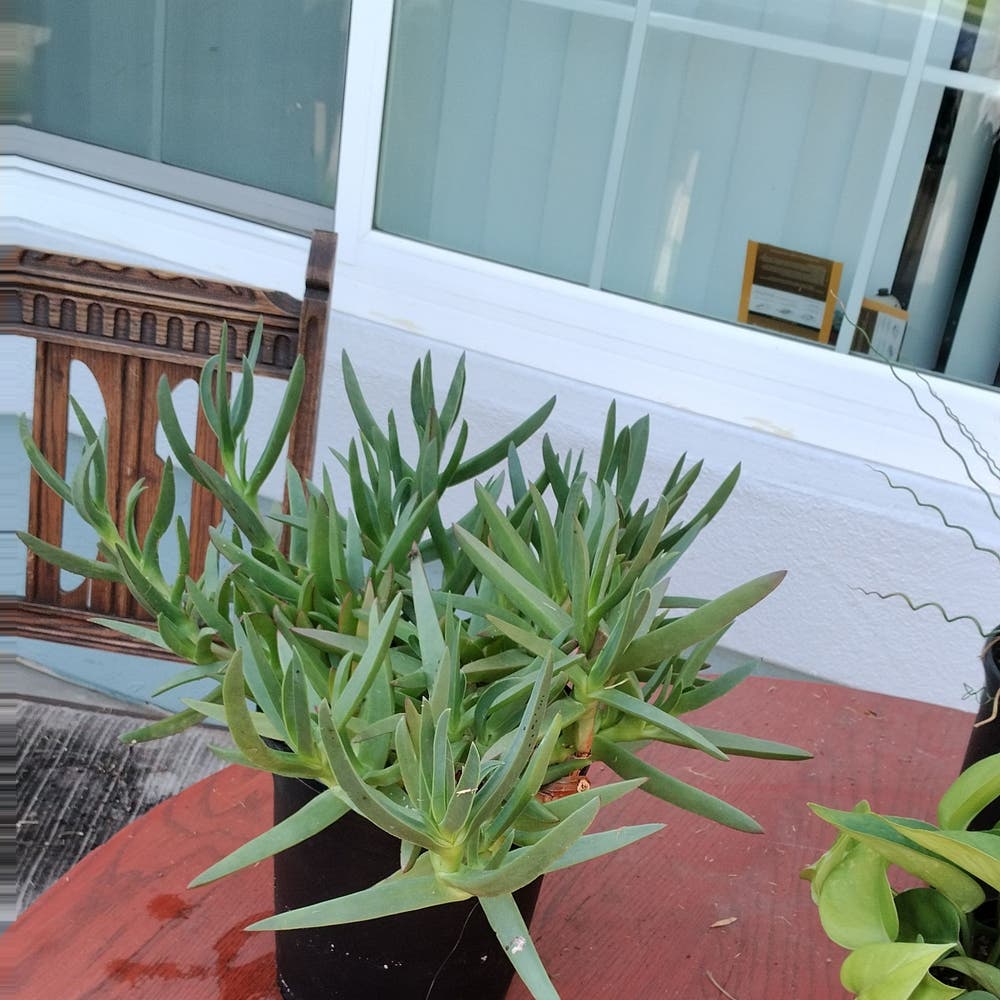
Chilean Sea Fig, or Carpobrotus chilensis, typically flaunts its vibrant flowers in the spring and summer. This succulent plant, hailing from the summer-dry climate of central Chile, adapts well to similar environments elsewhere.
In their native habitat, these plants might bloom annually, showcasing their flowers when conditions are just right. For gardeners in different regions, blooming can align with local spring and summer months, but always keep an eye on the specific climate cues.
🌼 Pre-Bloom Indicators
Watch closely for the Chilean Sea Fig's pre-bloom signs. You might notice a surge in growth or a change in the color intensity of the plant's fleshy leaves.
As the blooming season approaches, the plant will develop bud clusters at the tips of its branches. These are your visual clues that the floral display is imminent. Keep the plant well-tended, and soon you'll be rewarded with a sea of color.

Setting the Stage for Spectacular Blooms
🌞 Light: The Sun's Role in Flowering
Sunlight is the maestro of the Chilean Sea Fig's blooming symphony. To hit the right note, provide your plant with a sweet spot of bright, indirect light. Direct sun can be a harsh critic, scorching delicate blooms, while too little light is like an empty audience—no performance. Aim for a location that bathes the plant in gentle morning or late afternoon sun, shielding it from the midday glare.
🌡️ Temperature and Humidity: Creating a Cozy Environment
Chilean Sea Figs are not fans of the cold shoulder. They prefer the warmth, with ideal temperatures ranging from 65-75°F (18-24°C). Humidity plays a supporting role, setting the scene for a blooming encore. Keep it around 50% to avoid the drama of brown tips or a fungal fiasco. Use a humidifier or a pebble tray to maintain these tropical conditions, especially during dry winter months.
💧 Soil and Water: The Foundation of Flourishing Flowers
Soil is the stage where the Chilean Sea Fig's roots perform. A well-draining mix is the key to a standing ovation, preventing waterlogged roots which can lead to a tragic end. When watering, think of it as a suspenseful pause—not too much to drown the suspense, but enough to keep the audience engaged. Allow the top inch of soil to dry out before the next watering act to ensure a performance that ends in blooms, not boos.

Nurturing Your Chilean Sea Fig to Flower
💡 Nutrients and Fertilization: Food for Flowers
Fertilizer types are crucial when coaxing your Chilean Sea Fig into bloom. Opt for a balanced liquid fertilizer, rich in potassium to support flower development. Apply monthly during the growing season, but remember, less is more—overfeeding can do more harm than good. Half-strength mixtures are your friend here.
🌱 Pruning and Care: Grooming for Growth
Pruning isn't just about aesthetics; it's about encouraging growth. For your Chilean Sea Fig, strategic snips can stimulate flowering. Remove dead or excess growth to redirect the plant's energy towards blooming. Prune in late winter or early spring to set the stage for spectacular flowers.

Troubleshooting: When Blooms Are Bashful
🌞 Common Flowering Hurdles
If your Chilean Sea Fig is more barren than a desert mirage, light might be the issue. These plants need their sunbathing time to kickstart the blooming process. Too little light, and they're just green sculptures; too much, and they might as well be in a plant fryer.
Watering is another tightrope walk. Overwatering invites root rot, while underwatering leaves your plant thirsting for more. Aim for that sweet spot where the soil is moist but not soggy.
💡 Solutions and Adjustments
To coax out those shy blooms, start with a sunlight audit. Ensure your plant gets enough rays without turning into a crispy critter. If your indoor setup is more cave than conservatory, consider a grow light.
Next, get your hands dirty and check the soil moisture. If it's waterlogged, cut back on the H2O. If it's drier than a comedian's wit, it's time to up the watering ante—just don't drown the poor thing.
Pruning can be a game-changer. Strategic snips can encourage growth, but don't go Edward Scissorhands on it. Prune with purpose, focusing on dead or overgrown areas that could be sapping energy from potential blooms.
Lastly, if your Chilean Sea Fig is still giving you the cold shoulder, consider root restriction. A pot that's cozy but not cramped can stress the plant in just the right way to encourage blooming. But remember, balance is key—too tight, and you'll have more problems than an algebra book.
Keep tweaking your care routine, and with a bit of luck and a dash of persistence, your Chilean Sea Fig will show off its blooms like a peacock strutting its stuff.
⚠️ Safety First
This content is for general information and may contain errors, omissions, or outdated details. It is not medical, veterinary advice, or an endorsement of therapeutic claims.
Always consult a qualified healthcare professional before using any plant as food, medicine, or supplement.
Never eat any plant (or feed one to pets) without confirming its identity with at least two trusted sources.
If you suspect poisoning, call Poison Control (800) 222-1222, the Pet Poison Helpline (800) 213-6680, or your local emergency service immediately.
Spotted an error? Please report it here.
Ensure your Chilean Sea Fig blooms beautifully 🌼 by letting Greg tailor your plant's light and watering schedule for optimal growth and flowering.