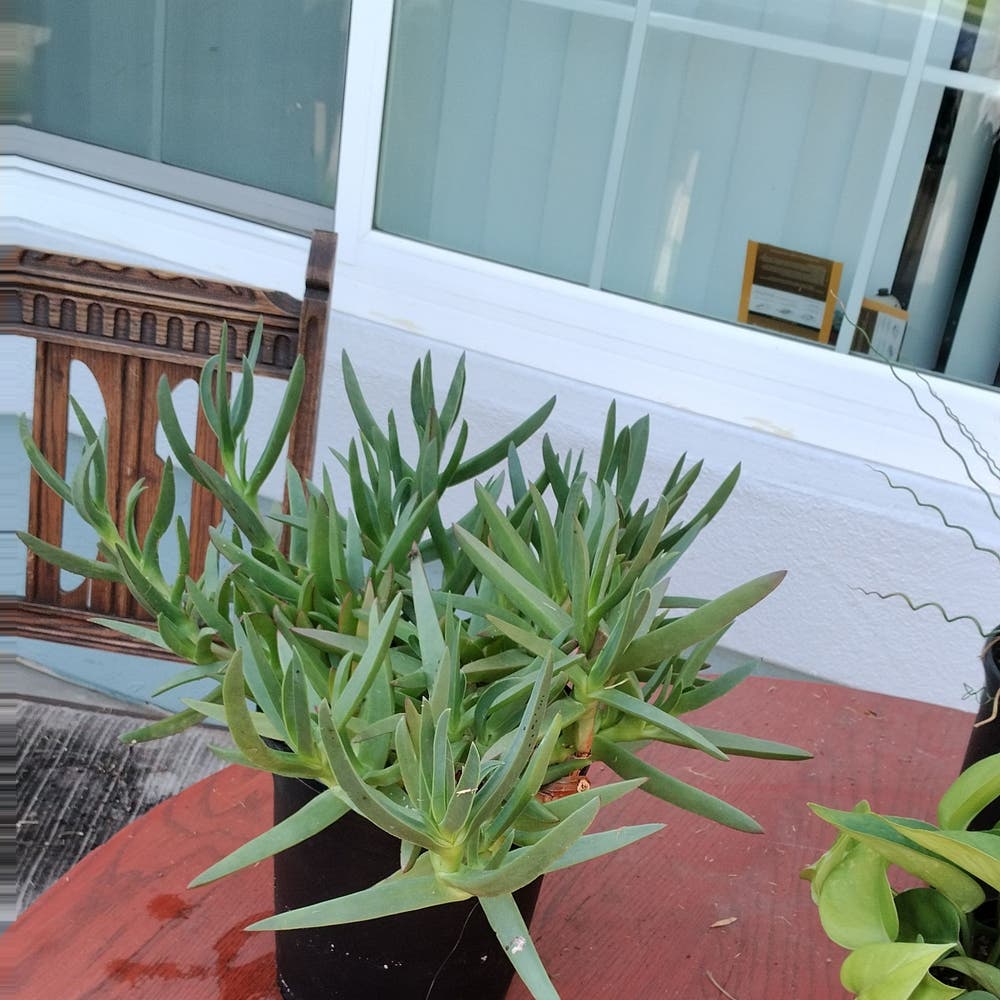
Purple Ice Plant Wilting: Causes and Solutions ❄️
Carpobrotus chilensis
By the Greg Editorial Team
Oct 12, 2024•5 min read
This article was created with the help of AI so we can cover more plants for you. May contain errors. See one? Report it here.
Transform wilting plants into thriving beauties 🌱 with essential tips for diagnosis and care that every gardener should know!
- 💧🌱 Wilting in Purple Ice Plants stems from overwatering or underwatering; check soil moisture.
- ☀️🌿 Heat stress causes curling leaves; provide partial shade to alleviate this issue.
- 🐛🔍 Inspect for pests and diseases; they can also lead to wilting symptoms.
Common Causes of Wilting Leaves
💧 Water Stress
Overwatering
Overwatering is a common culprit behind wilting leaves. Symptoms include yellowing leaves and a mushy texture, indicating that the roots are drowning.
To prevent this, ensure your plant is in well-draining soil and establish a proper watering schedule. This simple adjustment can save your plant from stress.
Underwatering
On the flip side, underwatering can also lead to wilting. Look for dry, shriveled leaves as a sign that your plant is thirsty.
Regularly check the soil moisture and water when the top inch feels dry. This will help maintain a healthy hydration level.
☀️ Heat Stress
Heat stress can wreak havoc on your purple ice plant. Signs include curling leaves and browning edges, which indicate that your plant is struggling in the heat.
To combat this, provide partial shade during peak sun hours, especially in extreme heat. A little shade can go a long way in keeping your plant happy.
🦠 Disease-Related Wilting
While less common, disease-related wilting can occur due to pathogenic wilt. Symptoms include sudden wilting, discoloration, and potential stem rot.
However, the likelihood of this happening is low, so focus on environmental factors first. Addressing watering and heat stress is usually more effective.
Understanding these common causes of wilting leaves can empower you to take action before the situation worsens. Next, let’s dive into how to diagnose wilting effectively.
Diagnosing Wilting
Step-by-Step Guide 🌱
Inspect the Leaves
Start by examining the leaves closely. Look for any discoloration, texture changes, or signs of overall health decline.Check Soil Moisture
Next, assess the soil moisture. Use a moisture meter or simply stick your finger into the soil to gauge how dry or wet it is.Evaluate Environmental Conditions
Consider the plant's surroundings. Check the light exposure, temperature, and humidity levels to ensure they are suitable for your purple ice plant.Identify Any Pests or Diseases
Finally, look for signs of pests or diseases. Check for any infestations or fungal growth that could be affecting your plant's health.
Signs to Look For 👀
Leaf Symptoms
Watch for curling, browning, or drooping leaves. These can indicate stress or environmental issues.Soil Symptoms
Pay attention to the soil's condition. A dry, cracked surface or overly wet, compacted soil can signal problems that need addressing.
By following these steps, you can effectively diagnose the cause of wilting in your purple ice plant. This proactive approach will help you take the necessary actions to restore its health and vitality.
Solutions for Wilting
🌊 Addressing Water Stress
Overwatering
If your Purple Ice Plant is wilting due to overwatering, the first step is to let the soil dry out completely. This can help prevent root rot, which is a common issue in overly saturated soil.
Consider repotting the plant in fresh, well-draining soil if you suspect root rot. This will give your plant a fighting chance to recover.
Underwatering
Underwatering can also lead to wilting, presenting as dry, shriveled leaves. To remedy this, water the plant thoroughly until moisture drains from the bottom.
Establish a consistent watering schedule based on environmental conditions. Regular checks can help you avoid this issue in the future.
☀️ Solutions for Heat Stress
Relocation
If heat stress is the culprit, relocating your plant to a shadier spot during peak heat can make a significant difference. This simple change can help prevent further damage.
Mulching
Using mulch is another effective strategy. It retains soil moisture and regulates temperature, providing a more stable environment for your plant.
🦠 Managing Disease-Related Wilting
Leaf Removal
If you suspect disease, start by removing any affected leaves. This helps improve air circulation and can prevent the spread of pathogens.
Treatment
While disease is rare, treating with appropriate fungicides may be necessary. Always follow the instructions carefully to ensure the best outcome for your plant.
By addressing these issues promptly, you can help your Purple Ice Plant thrive. Next, let’s explore preventive measures to keep your plant healthy and vibrant.
Preventive Measures
Best Practices 🌱
Regularly monitoring soil moisture is crucial for keeping your Purple Ice Plant healthy. Adjust your watering schedule based on the moisture levels to avoid both overwatering and underwatering.
Ensure proper drainage by using well-draining soil and pots with drainage holes. This simple step can prevent root rot and promote healthy growth.
Environmental Considerations 🌤️
Maintaining stable temperature and humidity levels is essential for your plant's well-being. Fluctuations can stress the plant, leading to wilting.
Avoid sudden changes in light exposure; acclimate your plants gradually to new conditions. This helps them adjust without experiencing shock, keeping them vibrant and thriving.
By implementing these preventive measures, you can create a nurturing environment for your Purple Ice Plant. This proactive approach will help you enjoy a flourishing plant for years to come.
Next, let’s explore when it’s time to seek help for your wilting plant.
When to Seek Help
🚨 Signs That Require Assistance
If your Purple Ice Plant is wilting persistently, even after you've followed care guidelines, it’s time to take action. This could indicate a deeper issue that needs addressing.
Look for signs of severe pest infestation or disease. If you notice unusual spots, webbing, or a sudden decline in health, don’t hesitate to seek help.
📚 Resources
Local nurseries are a fantastic resource for specific plant care advice. They can provide tailored recommendations based on your plant's condition and local climate.
Online plant care communities are another great option. Engaging with fellow plant enthusiasts can offer support, tips, and shared experiences that might just save your plant.
By staying proactive and seeking help when needed, you can ensure your Purple Ice Plant thrives. Now, let’s explore some preventive measures to keep your plant healthy and vibrant.
⚠️ Safety First
This content is for general information and may contain errors, omissions, or outdated details. It is not medical, veterinary advice, or an endorsement of therapeutic claims.
Always consult a qualified healthcare professional before using any plant as food, medicine, or supplement.
Never eat any plant (or feed one to pets) without confirming its identity with at least two trusted sources.
If you suspect poisoning, call Poison Control (800) 222-1222, the Pet Poison Helpline (800) 213-6680, or your local emergency service immediately.
Spotted an error? Please report it here.
Keep your Purple Ice Plant thriving 🌿 by using Greg's tailored watering reminders and community insights to tackle wilting issues head-on!