Why Are My Chilean Sea Fig Leaves Falling Over?
Carpobrotus chilensis
By the Greg Editorial Team
Jun 18, 2024•4 min read
This article was created with the help of AI so we can cover more plants for you. May contain errors. See one? Report it here.
Stop your Chilean Sea Fig's leaves from wilting 🍂 with these crucial, easy-to-follow plant care secrets! 🌟
- Overwatering causes yellow leaves and root rot; act fast to rescue.
- Consistent watering schedule and proper light/temperature keep leaves perky.
- Nutrient balance is key; use water-soluble fertilizer, avoid over-fertilization.
When Too Much Love Drowns Your Plant: Overwatering Woes
🚰 Spotting Overwatering Symptoms
Overwatering can be a silent killer for your Chilean Sea Fig. Yellow leaves that feel squishy are a distress signal. If you find leaves dropping off like flies, take note. Root rot is often the grim reaper here, with roots turning into a mushy mess. It's not just the water you see; it's the unseen microbial rave happening in the soil that's the real party pooper.
🚑 Saving Your Plant from a Watery Grave
Caught in a deluge of affection? Act fast. Yank your plant from its soggy abode and inspect the roots. Brown and mushy? Snip the sad parts away. Let the soil dry out completely—think arid conditions. Consider repotting with fresh soil and a pot that understands drainage. Remember, roots need to breathe, so find a spot with more air circulation than a wind tunnel. When you water next, think of it as a rare treat—sparingly and with respect for the precious resource.

Thirsty Figs: The Underwatering Balancing Act
🏜️ Recognizing a Thirsty Chilean Sea Fig
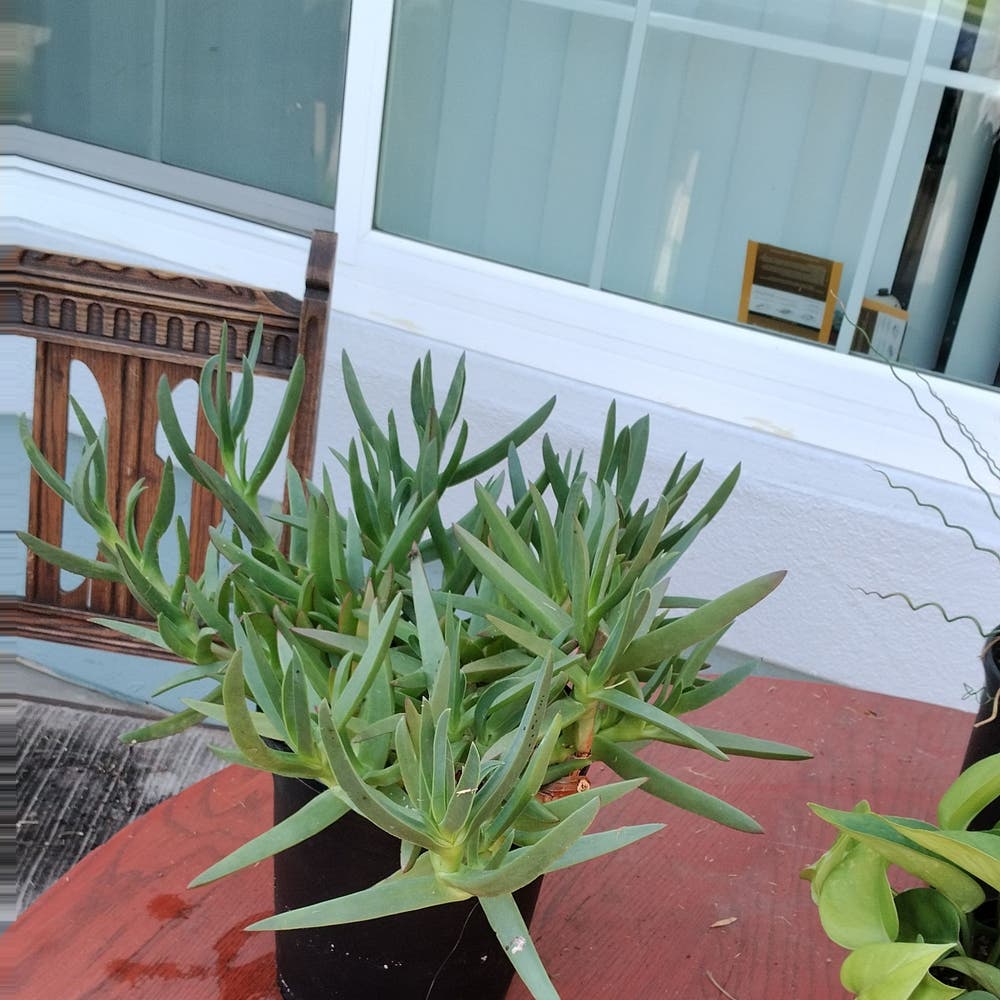
Wilting leaves on your Chilean Sea Fig? Dry soil is a distress signal. Check for leaves that feel papery or look desiccated, and soil that's shying away from the pot's edge. If the pot feels lighter than a politician's promise, it's time to hydrate.
Quenching the Thirst Without Overdoing It
Creating a watering schedule isn't rocket science. Consistency is your new best friend. Use the finger test or a moisture meter to ensure the top inch of soil is dry before watering. Aim for moist, not soggy soil. Adjust for seasons; your plant's thirst isn't on a calendar.

Light and Temperature: Finding the Sweet Spot
🌡️ Too Hot, Too Cold, Just Right
Chilean Sea Fig plants are picky about their climate. Too much heat can make leaves wilt and drop, while too little can cause them to stiffen and discolor. Look for signs like leaf curling or pale patches to gauge if your plant is throwing a temperature tantrum.
Keeping Your Chilean Sea Fig Comfy
To keep your Chilean Sea Fig from throwing in the towel, monitor your room's temperature. Aim for a cozy 65°F to 80°F range. Keep it away from air vents and drafty windows that could cause dramatic swings in temperature. Consider using a thermostat to maintain a consistent climate. When it comes to light, bright, indirect sunlight is the VIP ticket. If your plant starts to look like it's stretching for the sky or sulking in the shadows, it's time to adjust its position. Remember, your plant's comfort zone is non-negotiable.

The Silent Hunger: Nutrient Deficiency and Leaf Health
💡 Spotting the Signs of Nutritional Needs
Yellowing leaves might be your Chilean Sea Fig's way of saying it's running on empty. Crispy edges on foliage could be a shout-out for potassium, while a general pale look could be a nitrogen deficiency billboard. Dark, reddish spots on older leaves often point to a lack of phosphorus. If you're seeing a pattern of interveinal chlorosis—where leaves turn yellow but veins stay green—magnesium or manganese could be the missing guests at the nutrient party.
Feeding Your Chilean Sea Fig Properly
To avoid the nutrient equivalent of a food coma, go for a balanced, water-soluble fertilizer. Think of it as a multivitamin for your plant. Over-fertilization is the botanical sugar rush you want to avoid—exciting at first, but a nasty crash awaits. Stick to a feeding schedule that's more marathon than sprint; your plant's response will tell you if you need to tweak the amounts. And remember, moderation is your friend—too much of a good thing can lead to a nutrient hangover nobody wants to deal with.
⚠️ Safety First
This content is for general information and may contain errors, omissions, or outdated details. It is not medical, veterinary advice, or an endorsement of therapeutic claims.
Always consult a qualified healthcare professional before using any plant as food, medicine, or supplement.
Never eat any plant (or feed one to pets) without confirming its identity with at least two trusted sources.
If you suspect poisoning, call Poison Control (800) 222-1222, the Pet Poison Helpline (800) 213-6680, or your local emergency service immediately.
Spotted an error? Please report it here.
Keep your Chilean Sea Fig standing tall and healthy by using Greg to tailor a flexible watering plan 🌿 that responds to your plant's needs and your unique home environment.