When and Where Should I Trim My Chilean Sea Fig?
Carpobrotus chilensis
By the Greg Editorial Team
Jun 18, 2024•3 min read
This article was created with the help of AI so we can cover more plants for you. May contain errors. See one? Report it here.
Prune your Chilean Sea Fig to perfection 🌿, balancing health and artistry for a thriving display.
- 🍂 Prune in dormant season for minimal stress and optimal growth.
- ✂️ Use sharp tools and gloves for clean cuts and hand protection.
- 🎨 Shape with care to balance natural charm and controlled growth.
Best Season for Pruning Your Chilean Sea Fig
🌱 Understanding the Plant's Dormancy
Pruning your Chilean Sea Fig isn't a roll of the dice—it's about timing. The dormant season is your green light for cutting back. This period is when the plant conserves energy, making it less susceptible to stress from pruning.
🌷 Seasonal Clues for Timing Your Trim
Spring is the season of rebirth for your Chilean Sea Fig, and it's also the best time to get snippy with those shears. As the plant wakes from its restful slumber, it's primed to heal and grow, making it the ideal moment for a trim. Watch for warming temperatures and the first signs of new growth—these are nature's way of saying, "Go ahead, give it a haircut."

Where to Make the Cut: Pruning Techniques
✂️ Trimming Overgrown Areas
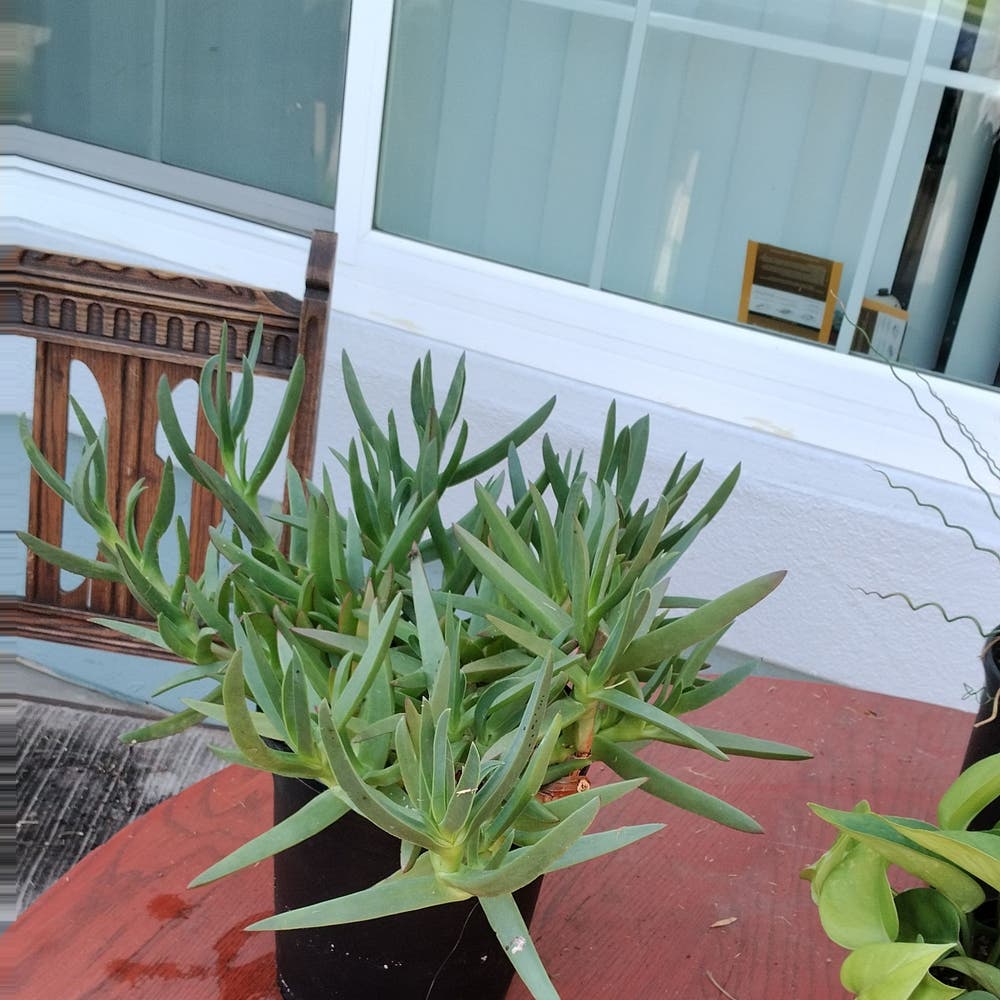
Overgrowth in your Chilean Sea Fig can be a visual mess. Spot the chaos: look for branches that detract from the plant's shape or impede other stems' light and air. Snip them at their point of origin or back to a strong lateral branch. This opens up the plant, improving both form and health.
🌱 Encouraging Compact Growth
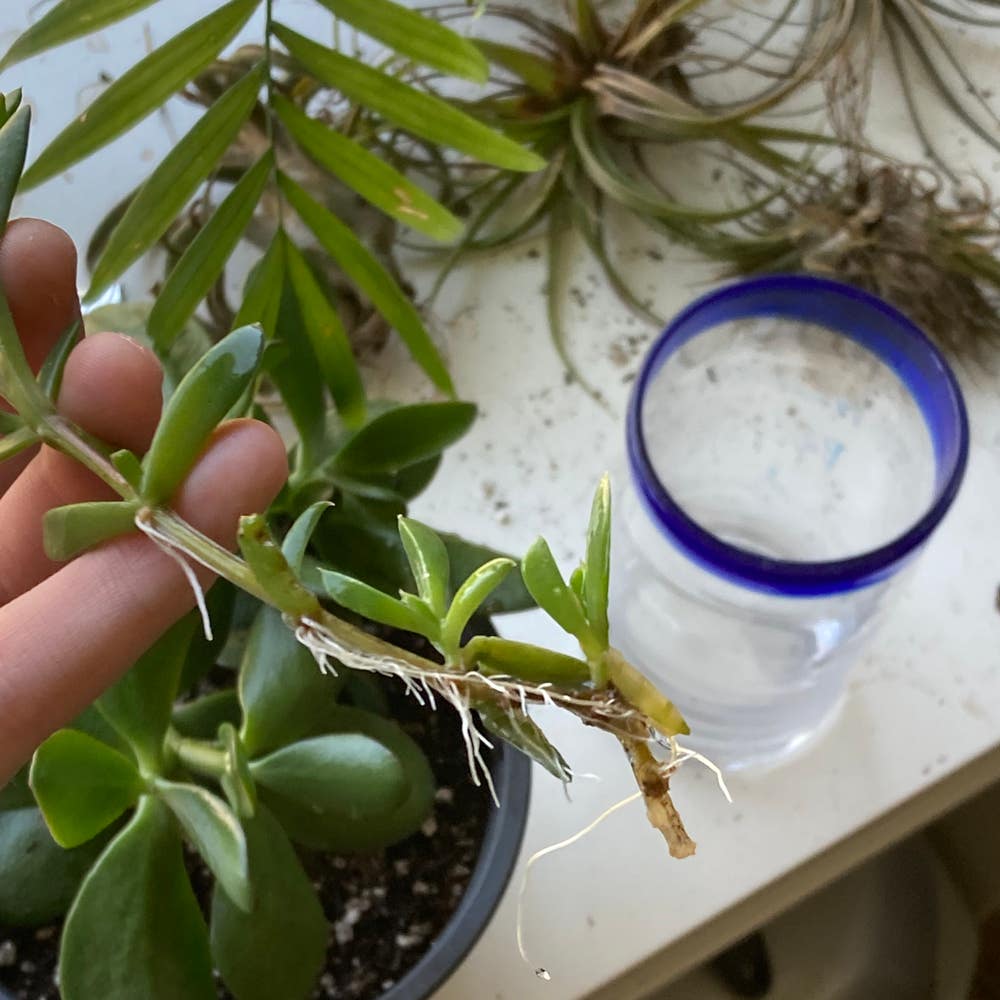
To coax your Chilean Sea Fig into a denser, more compact form, prune just above a leaf node where you want new growth to emerge. This encourages branching, leading to a fuller plant. Remember, less is often more—overdoing it can leave your plant looking bald.
🛠️ Tools of the Trade and Safety Measures
Choose your weapons wisely: sharp bypass pruners for clean cuts, loppers for the thick stuff, and gloves to protect your hands. Always cut away from yourself; it's pruning, not a duel. Keep your tools clean to prevent disease spread—think of it as hygiene for your garden.

Strategic Pruning for Plant Health
🌿 Thwarting Disease and Pests
Pruning your Chilean Sea Fig isn't just a trim; it's a defensive maneuver. Dead or dying branches are open invitations for diseases and pests to set up camp. Snip them off to keep your plant's defenses high. Regular inspections post-pruning are crucial; catch any invaders early to prevent a full-scale siege.
🌱 Promoting Vigorous Growth
Pruning is like a plant pep talk, telling your Chilean Sea Fig where to channel its energy. Strategic cuts stimulate growth, making your plant not just survive but thrive. It's about being proactive, not reactive. Think of it as a botanical investment with lush, green dividends.

Pruning with an Artist's Touch: Aesthetic Considerations
✂️ Shaping for Beauty
Pruning isn't just a chore, it's your chance to unleash creativity. With each cut, you're sculpting the Chilean Sea Fig into a living artwork. Symmetry and proportion are your guiding principles here. Snip away the excess, but always step back to assess the plant's evolving form. This is about enhancing what's naturally there, not forcing an alien shape upon it.
⚖️ Balancing Natural Charm and Control
The wild allure of the Chilean Sea Fig is part of its charm, but let's not let it get too shaggy. It's a fine line between tamed beauty and untamed wilderness. Your goal is to guide growth without stifling it. Think of yourself as a director rather than a dictator; you're coaxing the plant into the spotlight, not shoving it on stage. Keep your tools sharp and your eyes sharper, and remember, sometimes the best move is to not cut at all.
⚠️ Safety First
This content is for general information and may contain errors, omissions, or outdated details. It is not medical, veterinary advice, or an endorsement of therapeutic claims.
Always consult a qualified healthcare professional before using any plant as food, medicine, or supplement.
Never eat any plant (or feed one to pets) without confirming its identity with at least two trusted sources.
If you suspect poisoning, call Poison Control (800) 222-1222, the Pet Poison Helpline (800) 213-6680, or your local emergency service immediately.
Spotted an error? Please report it here.
Prune your Chilean Sea Fig to perfection ✂️ during the dormant season with Greg's custom reminders, ensuring your plant's health and beauty without the guesswork.