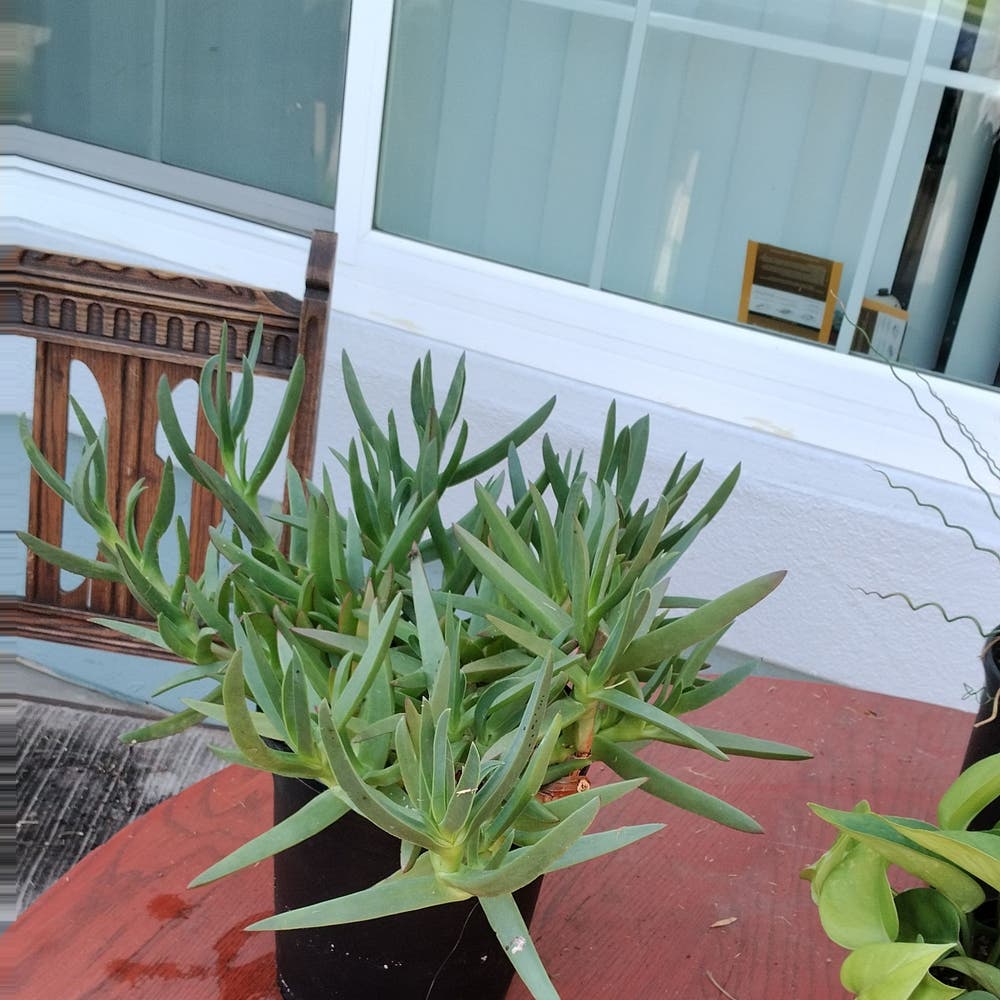
🌡 What Is A Good Temperature Range For My Chilean Sea Fig?
Carpobrotus chilensis
By the Greg Editorial Team
Jun 18, 2024•4 min read
This article was created with the help of AI so we can cover more plants for you. May contain errors. See one? Report it here.
Ensure your Chilean Sea Fig thrives 🌱 by mastering its perfect temperature range and dodging heat woes! 🌡️
- 60°F to 75°F ideal for Chilean Sea Fig growth.
- Consistent temperature prevents stress, ensuring plant health.
- Shade and insulation protect from extreme heat and cold.
Spotting the Sweet Spot: Ideal Temperature Range
🏜️ What's Just Right?
The Chilean Sea Fig thrives in temperatures that mimic its native coastal desert climate. Optimal growth occurs within a range of 60°F to 75°F (15°C to 24°C). Straying outside this range invites trouble, potentially stunting growth and dulling the plant's vibrant appearance.
🚫 Why Consistency Counts
Consistency in temperature is not just preferred; it's crucial. Fluctuations are the nemesis of the Chilean Sea Fig, causing stress that can manifest in drooping leaves and halted growth. Steady temperatures support a stable environment, fostering a robust and happy plant. Avoid placing your Chilean Sea Fig near appliances or drafty areas that could cause sudden temperature changes.

When Things Heat Up: Recognizing Temperature Stress
🌞 Telltale Signs of Too Much Sun
Scorched leaves are your Chilean Sea Fig waving a red flag; they're not just trying to get your attention, they're downright screaming for help. If you notice brown patches or tips that look like they've had a run-in with a blowtorch, it's a clear sign that your plant is getting too much sun. These crispy symptoms are the plant's version of an SOS.
🥶 Chilly Troubles
On the flip side, cold stress manifests as dark, mushy spots on leaves, like the plant version of frostbite. If your Chilean Sea Fig's leaves are starting to look like they belong in a sad, wilted salad rather than a vibrant garden, it's time to take action. Leaves that feel limp and lifeless are a sign that your plant is too cold and is silently begging for a warmer spot.

The Heat is On: Dealing with Temperature Extremes
🌞 Summer Sizzle: Protecting Your Plant
Shade is your Chilean Sea Fig's best ally against the summer heat. When temperatures soar, position your plant so it gets afternoon shade. This can be achieved by strategic placement in the garden or by using shade cloth. Remember, morning sun is gentler, so let your plant bask in it before shielding it from the harsher afternoon rays.
Watering in the early morning helps too. It allows the plant to hydrate before the heat peaks, reducing stress. Just avoid evening watering; it can lead to fungal issues.
❄️ Winter Woes: Keeping the Cold at Bay
As winter approaches, your Chilean Sea Fig's comfort is all about insulation. If potted, move your plant to a sheltered spot, perhaps inside a garage or against a south-facing wall. For in-ground plants, consider a layer of mulch to protect the roots from freezing temperatures.
Blankets or burlap can be draped over the plant on particularly cold nights. Just make sure to remove them once the sun is up to prevent condensation and potential rot.
Remember, while your Chilean Sea Fig might handle a chill, prolonged exposure to cold can be detrimental. Stay vigilant and ready to act when the mercury dips.

A Quick Nod to Humidity
Humidity is crucial for the Chilean Sea Fig, much like it is for many other plants. It's about striking the right balance; too low, and the plant's leaves may curl and become crispy, too high, and you risk fungal infections.
⛅️ The Ideal Humidity Range
For the Chilean Sea Fig, aim for a humidity level that mimics its natural coastal habitat. This typically falls around the 40-50% mark.
🛡️ Consistency is Key
Just as with temperature, maintaining consistent humidity levels is vital. Fluctuations can stress the plant, leading to poor growth or disease.
💡 Practical Tips for Humidity Control
If your indoor air is Sahara-like, consider using a humidifier or a pebble tray to increase moisture. Conversely, if your living space resembles a rainforest, it might be time to dehumidify.
🏜️ Monitoring Made Easy
Keep a hygrometer handy to check humidity levels. Guesswork isn't an option when your plant's health is on the line.
⚠️ Safety First
This content is for general information and may contain errors, omissions, or outdated details. It is not medical, veterinary advice, or an endorsement of therapeutic claims.
Always consult a qualified healthcare professional before using any plant as food, medicine, or supplement.
Never eat any plant (or feed one to pets) without confirming its identity with at least two trusted sources.
If you suspect poisoning, call Poison Control (800) 222-1222, the Pet Poison Helpline (800) 213-6680, or your local emergency service immediately.
Spotted an error? Please report it here.
Ensure your Chilean Sea Fig thrives by leveraging Greg to monitor 🌡 and balance both temperature and humidity, keeping your plant in its happy zone with ease.