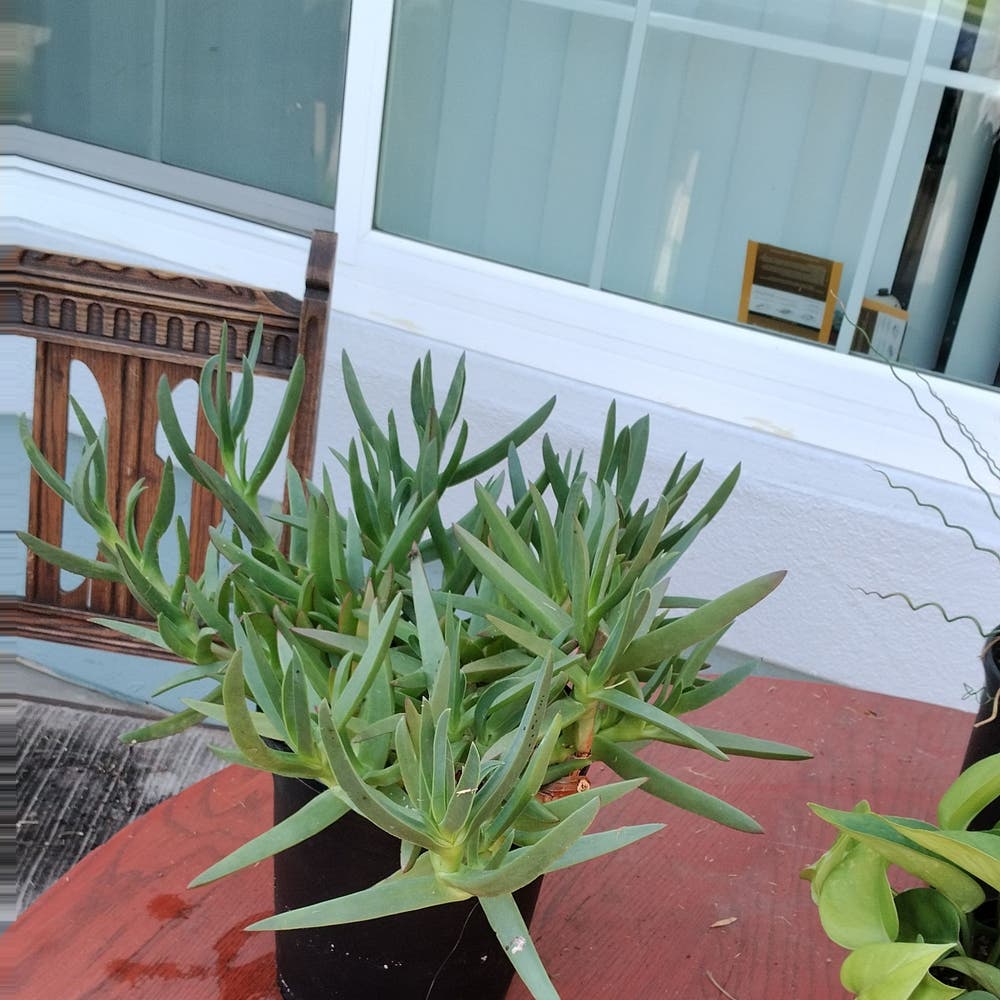
🌸 Ultimate Guide to Purple Ice Plant Roots
Carpobrotus chilensis
By the Greg Editorial Team
Oct 12, 2024•6 min read
This article was created with the help of AI so we can cover more plants for you. May contain errors. See one? Report it here.
Master your purple ice plant's root system 🌱 for vibrant growth and thriving beauty in your garden!
- 🌱 Purple ice plant roots are shallow, allowing quick water absorption in well-draining soils.
- 💧 Prevent root rot by letting soil dry between waterings; watch for wilting leaves.
- 🌿 Healthy roots are firm and light-colored; inspect regularly to catch issues early.
Root System Characteristics
Type of Root System 🌱
The purple ice plant features a shallow but extensive root system, primarily fibrous in nature. This structure allows it to spread widely, maximizing its ability to absorb water quickly.
When comparing root types, taproots are deep and central, providing stability and access to nutrients. In contrast, fibrous roots, like those of the purple ice plant, are shallow and spread out, making them adept at quick water absorption.
Specific Characteristics of Roots 💧
These roots are succulent and fleshy, designed to store water efficiently. This adaptation is crucial for thriving in well-draining soils, where moisture retention is essential for the plant's survival.
Understanding these root characteristics can significantly enhance your care routine for the purple ice plant. By recognizing the unique needs of its root system, you can ensure a healthier, more vibrant plant.
As we delve deeper into the root system, let’s explore the typical root depth and spread patterns that further define how to care for this resilient plant.
Root Depth and Spread
Typical Root Depth and Spread Patterns 🌱
The average root depth of the purple ice plant ranges from 12 to 18 inches. Its horizontal spread can extend impressively up to 2 to 3 feet, making it a robust choice for ground cover.
Growth Patterns and Implications for Care 🌿
This shallow root system enables rapid water uptake, which is essential for its survival in arid conditions. Consequently, selecting the right soil and adjusting your watering frequency becomes crucial for optimal growth.
Well-draining soil is vital to prevent root rot, a common issue that can arise from over-saturation. By ensuring your purple ice plant has the right environment, you set the stage for a thriving, vibrant display in your garden.
Understanding these root characteristics not only helps in nurturing the plant but also prepares you for the next steps in its care. Let's dive into how the root system influences watering needs.
Watering, Fertilizing, and Transplanting
🌱 How Root System Affects Watering Needs
The root system of the purple ice plant plays a crucial role in determining its watering needs. It's essential to allow the soil to dry out between waterings to prevent root rot.
Signs of overwatering include wilting leaves and a foul smell from the soil, while underwatering typically manifests as dry, crispy leaves. Monitoring these indicators can help maintain a healthy plant.
🧪 Fertilization Strategies Based on Root Health
When it comes to fertilizing, opt for low-nitrogen, slow-release fertilizers. This approach supports the unique needs of the purple ice plant without overwhelming its roots.
Timing is key; fertilize during the growing season, which spans from spring to early fall. This ensures your plant receives the nutrients it needs when it’s actively growing.
🌍 Best Practices for Transplanting
Transplanting is best done in early spring or fall when the plant is less stressed. Proper timing can make a significant difference in the success of the transplant.
Follow these steps for a smooth transplanting process:
- Prepare the new planting site with well-draining soil.
- Gently remove the plant, preserving as many roots as possible.
- Replant at the same depth as it was previously grown.
- Water thoroughly after transplanting to help settle the soil.
By following these guidelines, you can ensure that your purple ice plant thrives in its new environment. Understanding the watering, fertilizing, and transplanting needs of your plant will lead to a healthier, more vibrant growth.
Next, we’ll explore common root-related issues and how to identify and address them effectively.
Common Root-Related Issues
Identifying Root Rot and Other Diseases 🌱
Root rot is a sneaky enemy for your purple ice plant. Look for signs like wilting leaves, yellowing foliage, and a foul odor emanating from the soil.
Other diseases can also affect roots, leading to stunted growth or discoloration. Keeping an eye on your plant's overall health can help catch these issues early.
Tips for Preventing Root-Related Problems 🚫
Proper watering techniques are crucial to prevent root-related issues. Always allow the soil to dry out between waterings to avoid drowning your plant.
Choosing the right soil mix is equally important. A well-draining mix will help keep roots healthy and prevent waterlogged conditions.
Solutions for Common Root Issues 🛠️
If you suspect root rot, act quickly. Remove the affected roots and repot the plant in fresh, dry soil to give it a fighting chance.
Preventive measures are key to maintaining root health. Regular soil checks and drainage assessments can help you catch problems before they escalate.
By staying vigilant and proactive, you can ensure your purple ice plant thrives, setting the stage for the next section on healthy versus unhealthy roots.
Healthy vs. Unhealthy Roots
👀 Visual Cues for Healthy Roots
Healthy roots are a gardener's best friend. Look for roots that are firm, with a white or light tan color, and feel moist but not soggy.
🚩 Indicators of Unhealthy Roots
On the flip side, unhealthy roots can spell trouble. Signs include a dark, mushy texture, a foul smell, and stunted growth, all of which indicate that your plant may be struggling.
Regular root inspections are crucial. Catching issues early can save your plant from serious damage and ensure it thrives.
Understanding these visual cues empowers you to take action, fostering a healthier growing environment. With a little attention, you can keep your purple ice plant flourishing.
Next, let’s explore rootbound conditions and how to recognize them.
Rootbound Plants
Definition and Recognition of Rootbound Conditions 🌱
Rootbound plants occur when roots circle the pot, leading to limited growth space. This condition can stunt growth and hinder water absorption, making it crucial to recognize the signs early.
When and How to Address Rootbound Issues 🛠️
Intervention is necessary when growth slows or roots start emerging from drainage holes.
Steps to Resolve Rootbound Conditions
- Remove the plant from its pot.
- Gently loosen any circling roots.
- Repot into a larger container filled with fresh soil.
Addressing rootbound conditions promptly ensures your purple ice plant continues to thrive. Understanding these signs and taking action can significantly enhance your plant's health and growth potential.
Propagation and Division
🌱 Importance of Root Health in Propagation
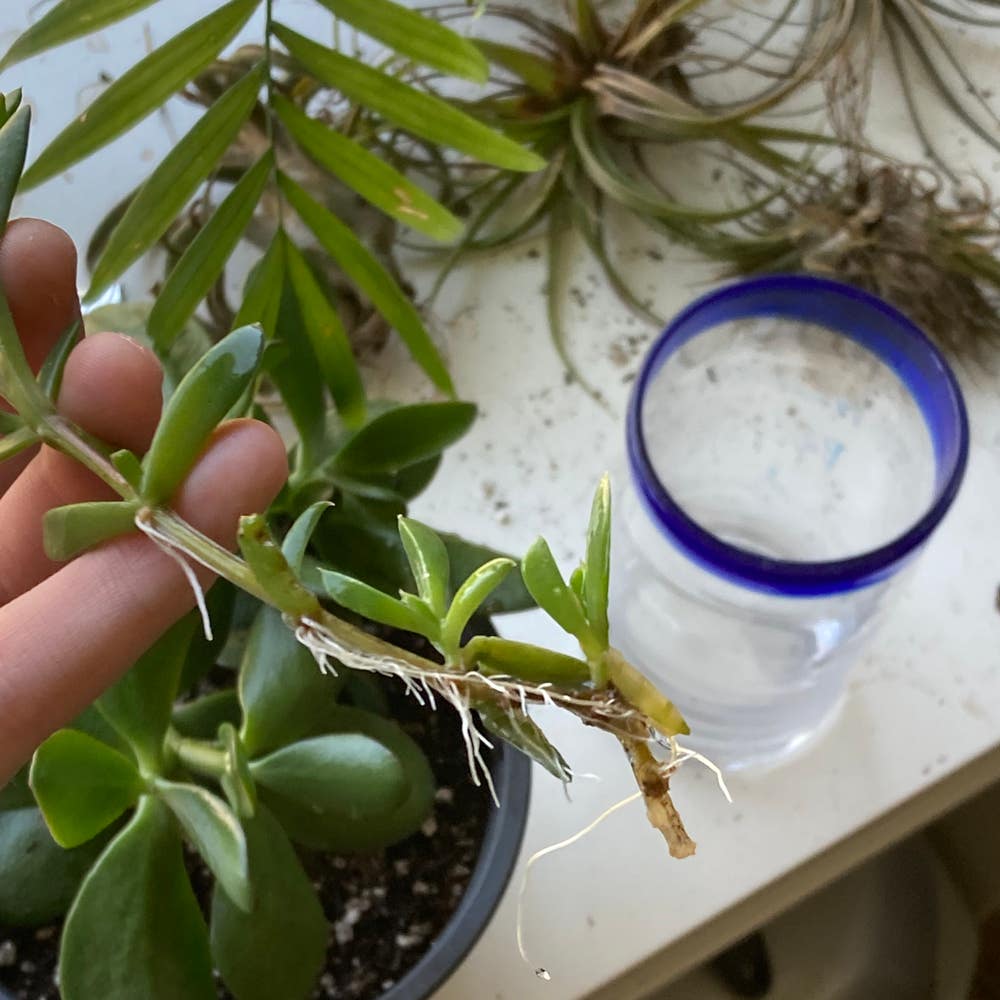
Healthy roots are the backbone of successful propagation. They provide the necessary nutrients and stability for new plants to thrive.
To assess root health before propagation, look for firmness and a light color. Avoid plants with dark, mushy roots, as these indicate problems.
✂️ Techniques for Dividing and Propagating
The best time for propagation is during spring or early summer when plants are actively growing. This timing maximizes the chances of successful establishment.
Methods for Propagation
- Division: Carefully separate clumps, ensuring each section has roots. This method encourages new growth and helps maintain plant vigor.
- Cuttings: Take healthy stem cuttings and allow them to callous for a day or two. Then, plant them in well-draining soil to promote root development.
By focusing on root health and employing these techniques, you can successfully propagate your purple ice plant and enjoy its vibrant beauty in multiple locations. Next, we’ll explore common root-related issues that can arise during care.
⚠️ Safety First
This content is for general information and may contain errors, omissions, or outdated details. It is not medical, veterinary advice, or an endorsement of therapeutic claims.
Always consult a qualified healthcare professional before using any plant as food, medicine, or supplement.
Never eat any plant (or feed one to pets) without confirming its identity with at least two trusted sources.
If you suspect poisoning, call Poison Control (800) 222-1222, the Pet Poison Helpline (800) 213-6680, or your local emergency service immediately.
Spotted an error? Please report it here.
Nurture your purple ice plant's roots to thrive 🌱 by using Greg's tailored watering reminders and soil tips for optimal growth and health!