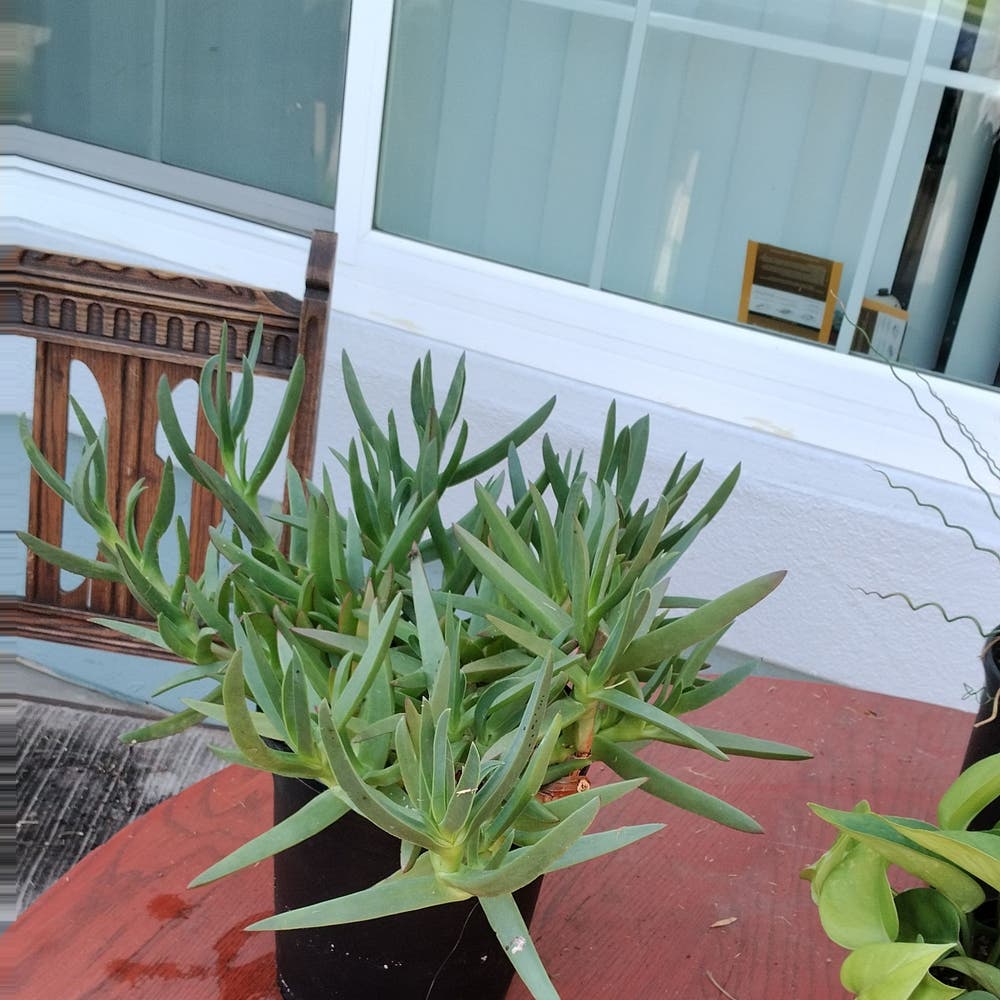
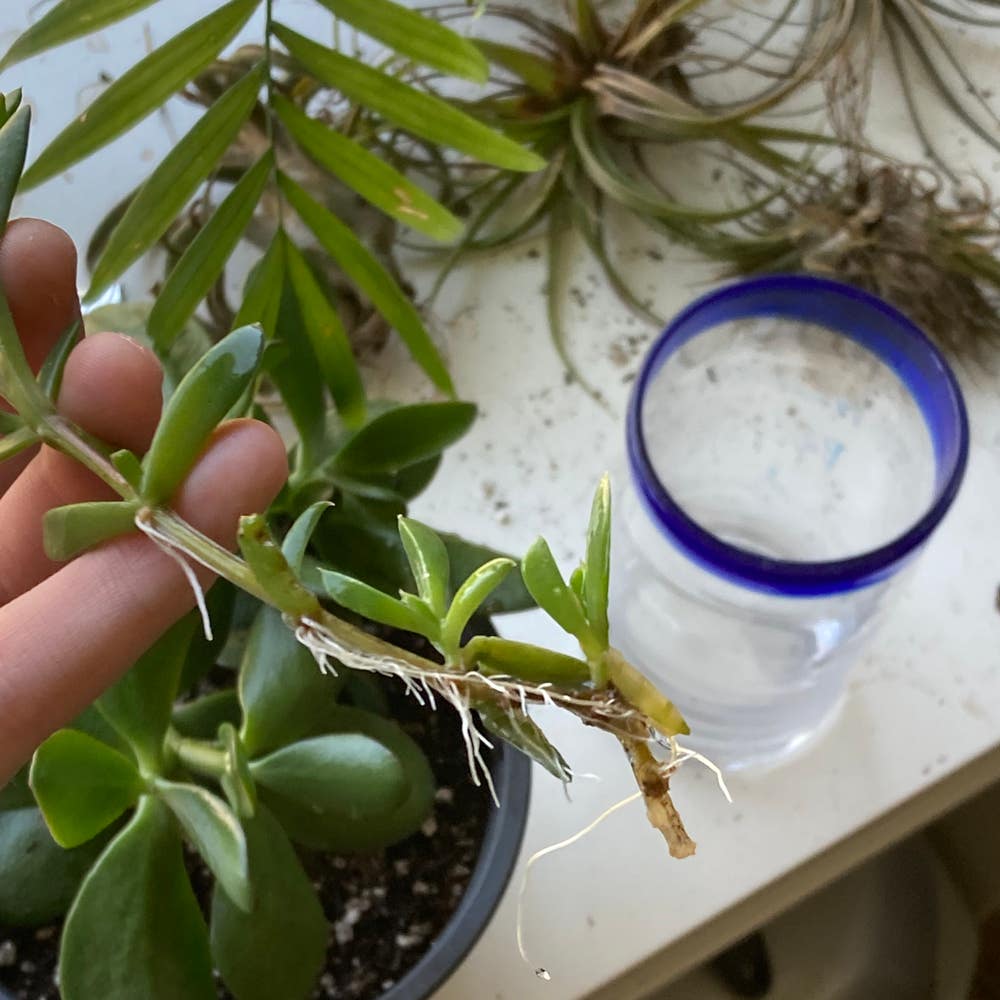
How to Know When to Repot a Chilean Sea Fig?
Carpobrotus chilensis
By the Greg Editorial Team
Jun 18, 2024•5 min read
This article was created with the help of AI so we can cover more plants for you. May contain errors. See one? Report it here.
Discover the secret to a thriving Sea Fig 🌵—know exactly when to repot for unstoppable growth!
- Roots peeking out? Time to repot your Chilean Sea Fig.
- 🌱 Stunted growth and leaf issues signal a need for new soil and space.
- Choose the right pot and soil for a happy post-repot Sea Fig.
Spotting the Telltale Signs It's Repot Time
🌱 Roots on the Run
Roots making a break for it out of the drainage holes? That's your Chilean Sea Fig staging a jailbreak for more space. When the soil's surface starts looking like a root exhibition, it's a clear sign your plant's current digs are too snug.
🌿 Above the Soil Symptoms
Stunted growth is your Sea Fig's silent protest against cramped quarters. Leaf discoloration and droopiness? These are not just bad plant days; they're distress flares signaling it's time for a change of scenery.
💧 Water Woes
If you notice puddles lingering in the pot, it's not just poor drainage—it's a waterlogging red flag. Your Sea Fig is practically swimming, and not by choice. This is a classic case of the pot no longer being able to keep up with your plant's needs.

The Great Move: Repotting Your Chilean Sea Fig
🌱 Prepping for the Pot Swap
Before you dive into the repotting process, ensure your Chilean Sea Fig is ready for the transition. Water your plant a day before to make the soil more pliable and roots more flexible. This preps the plant for a smoother move.
🌿 Choosing the Right Soil Mix
Your Sea Fig's future happiness hinges on the soil mix. Opt for a well-draining blend, rich in nutrients. Incorporate ingredients like compost or worm castings for fertility, and add perlite or coarse sand to enhance drainage.
🏺 Pot Selection Savvy
Size Matters
When selecting a new pot, bigger isn't always better. Choose a pot that's just a size or two larger than the current one. This prevents excess soil moisture, which can lead to root rot.
Depth Decisions
Depth is crucial. Your Sea Fig's roots need room to grow, so pick a pot deep enough to accommodate them without cramping their style.
🎪 The Repotting Rodeo
Step 1: Gently Free Your Plant
Carefully coax your Sea Fig out of its old pot. If the roots resist, give the pot a squeeze or run a knife around the inside edge.
Step 2: Inspect and Prune the Roots
Examine the root system. Trim any dead or overly tangled roots to promote healthy growth.
Step 3: Settle into the New Pot
Place the plant in the center of the new pot, ensuring the top of the root ball sits an inch below the rim. Backfill with your soil mix, firming gently to remove air pockets.
Step 4: The First Water
Water thoroughly but with care. Let the water drain completely to avoid waterlogging your newly potted Sea Fig.
Step 5: Fertilize for Vigor
Apply a balanced, slow-release fertilizer to give your plant a nutrient boost post-move.
Remember, repotting is like a fresh start for your Chilean Sea Fig—handle with care, and watch it thrive in its new home.

Picking the Perfect Pot
🏺 Terracotta vs. Plastic vs. Ceramic
Terracotta pots are the breathability champions, wicking away excess moisture and helping prevent root rot. However, they're heavy and can dry out soil quickly, necessitating more frequent watering.
Plastic pots are the lightweights, easy to move and less prone to breaking. They retain water longer, which can be a boon for forgetful waterers but a curse for those prone to overwatering.
Ceramic pots combine style and function, often coming glazed to retain moisture. They're heavy and can be costly, but with proper drainage, they offer a good balance.
The Verdict
When choosing a pot for your Chilean Sea Fig, consider your watering habits and the plant's needs. Terracotta is ideal for excellent air flow and moisture control, plastic is for those seeking convenience and affordability, and ceramic is for the style-conscious who don't mind a bit of extra weight. Regardless of material, never skimp on drainage holes—they're crucial for your Sea Fig's health.

Post-Repot Pampering
💧 The First Few Days
After the repotting hustle, it's time for some watering wisdom. Your Chilean Sea Fig craves moisture but loathes soggy shoes. Keep the soil moist, steering clear of the swamp zone. Overwatering is a no-go; it's a fast pass to root rot. Underwatering? Just as taboo. Strike that Goldilocks balance—just right.
Light and location are the recovery room for your plant. Think bright, indirect light, like a soft sunbath. Avoid the temptation to give it a full-on solar salute; too much sun can stress your Sea Fig out. It's all about creating a cozy, stress-free recovery zone.
Long-Term Love
Keep a watchful eye out for post-repot stress. Yellow leaves or a droopy demeanor are your Sea Fig's way of saying, "I'm not feeling it." If you spot these signs, reassess your care routine. It might need a tweak—less water, more light, or a pep talk.
Adjusting care routines is like updating your phone's OS; it keeps things running smoothly. Your Sea Fig's needs may change post-repot, so stay on your toes. Monitor its progress, and be ready to switch things up. It's about long-term love, not just a post-repot fling.
⚠️ Safety First
This content is for general information and may contain errors, omissions, or outdated details. It is not medical, veterinary advice, or an endorsement of therapeutic claims.
Always consult a qualified healthcare professional before using any plant as food, medicine, or supplement.
Never eat any plant (or feed one to pets) without confirming its identity with at least two trusted sources.
If you suspect poisoning, call Poison Control (800) 222-1222, the Pet Poison Helpline (800) 213-6680, or your local emergency service immediately.
Spotted an error? Please report it here.
Ensure your Chilean Sea Fig thrives in a fresh pot 🌱 by using Greg to track its growth and get timely repotting reminders.