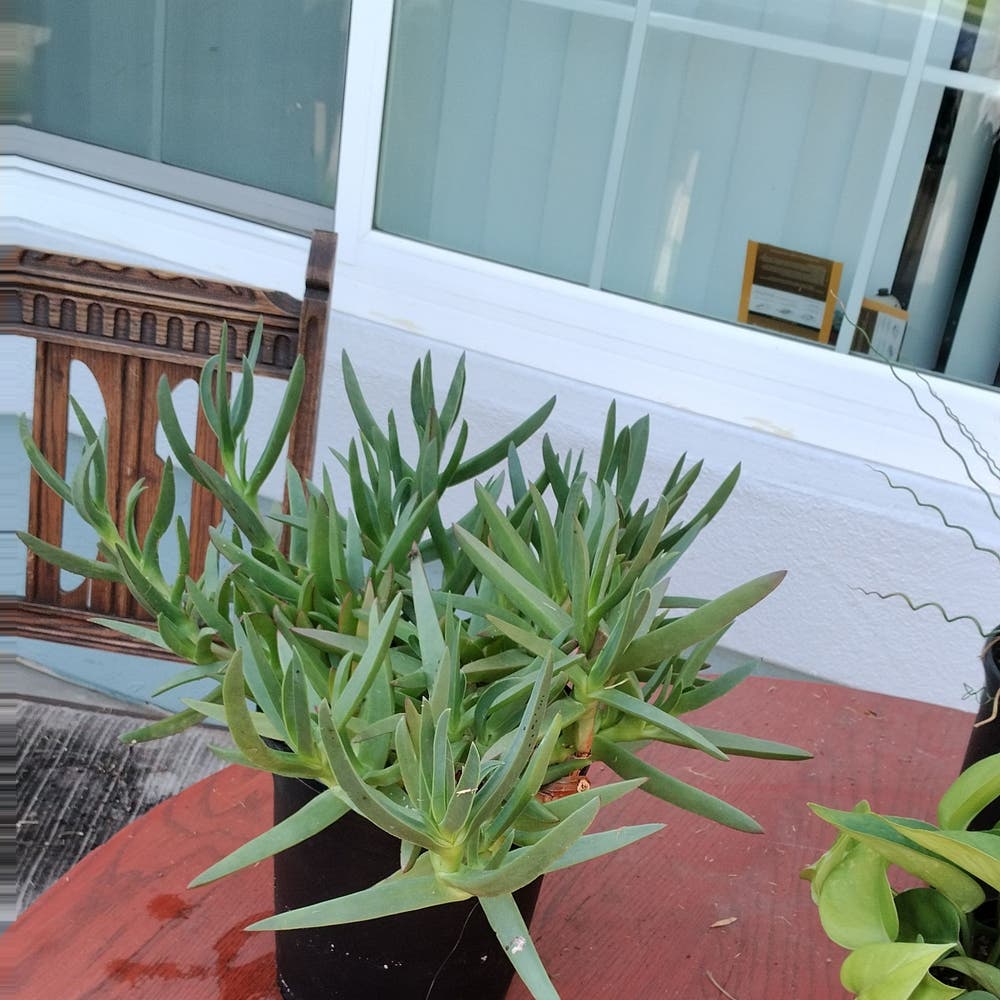
🐛 What Are The Bugs on My Chilean Sea Fig?
Carpobrotus chilensis
By the Greg Editorial Team
Jun 18, 2024•5 min read
This article was created with the help of AI so we can cover more plants for you. May contain errors. See one? Report it here.
Safeguard your Chilean Sea Fig 🌵 from bug battles with savvy, eco-conscious pest defense tactics!
- 🕸️ Spider mites and mealybugs: Combat with neem oil and alcohol.
- 🍯 Scale and whiteflies: Remove with alcohol, oil, and sticky traps.
- 🌱 Integrated Pest Management: Combine cultural, biological, chemical controls.
Meet the Usual Suspects: Common Pests on Chilean Sea Fig
🕷️ Spider Mites: The Sneaky Sap-Suckers
Tiny but troublesome, spider mites can turn your Chilean Sea Fig into a ghost town. Webbing and speckled leaves are their calling cards.
🛡️ Fight Back
Neem oil and insecticidal soap are your go-to arsenal. Mix and match to send these pests packing.
🚫 Keep Them Away
Misting your plant can deter future invasions. Quarantine new plants to prevent unwanted guests.
🦠 Scale: The Sticky Freeloaders
Scale insects are like unwanted squatters on your Chilean Sea Fig, leaving a trail of sticky honeydew.
🛡️ Unmasking Scale
Look for tiny turtle-shell-like bumps. Found one? You've likely found many.
🚰 Scale Be Gone
Rubbing alcohol and horticultural oil are your clean-up crew. Apply with precision for best results.
🚫 Prevention Patrol
Regular inspections and good airflow can keep these freeloaders at bay.
🦟 Fungus Gnats and Fruit Flies: The Soil Lurkers
Fungus gnats and fruit flies are the uninvited party-goers in your plant's soil, thriving in moist conditions.
🕵️♂️ Catching Them in the Act
Spot a cloud of tiny insects? Time to take action.
🛑 Nipping It in the Bud
Sticky traps and soil treatments can break up the party.
💧 Dry Tactics
Managing soil moisture is key. Overwatering is like rolling out the red carpet for these pests.
🐛 Mealybugs: The Fluffy Invaders
Mealybugs are the bane of the Chilean Sea Fig, leaving a cottony residue as evidence of their presence.
⛔ The White Giveaway
Spot white fluff? You've got mealybugs.
🧼 Eradication Mission
Isopropyl alcohol and neem oil are your clean-up agents. Apply with care and consistency.
🚫 Quarantine and Check
Isolate infested plants and keep a vigilant eye. Regular checks are non-negotiable.

Other Frequent Flyers: Less Common but Noteworthy Pests
🦟 Aphids: The Plant Juice Thieves
Aphids are tiny but mighty, capable of wreaking havoc on your Chilean Sea Fig. Spotting these pests early is crucial—they love to feast on plant juices, causing leaves to curl and stunt. They're not picky about color, showing up in green, red, black, or peach.
Organic methods like a strong blast of water or insecticidal soap can send them packing. For a chemical approach, neem oil or hot pepper wax can be effective. Just remember, these critters can spread diseases, so act fast!
🕊️ Whiteflies: The Flock of Trouble
Whiteflies are the bane of many gardeners, and they're fond of your Chilean Sea Fig too. Look for a miniature blizzard of tiny white insects when you rustle the leaves. These pests suck the life out of foliage, leading to yellowing and wilting.
Sticky traps are your first line of defense, luring whiteflies to a sticky end. Insecticidal soap and horticultural oil can also help, but coverage is key—make sure to hit the undersides of leaves where these pests love to hide. And always check new plants before introducing them to your garden to avoid whitefly stowaways.

Integrated Pest Management: A Holistic Approach
Integrated Pest Management (IPM) is not just a buzzword; it's the multi-layered defense strategy your Chilean Sea Fig needs. By combining cultural, biological, and chemical controls, you're enlisting an army to protect your plant without going overboard on any front.
🌱 Cultural Controls: The Foundation
Cultural controls are your first line of defense. They're the habits that keep your plant strong and less appealing to pests. Ensure your Chilean Sea Fig gets the right amount of light and water. Overwatering? That's an open invitation to fungus gnats. Proper airflow? It's like a no-fly zone against whiteflies.
🐞 Biological Controls: The Allies
Next up, biological controls. These are the living organisms that are natural enemies to your pests. Think of ladybugs as your mercenaries against aphids. Introducing beneficial insects can be a game-changer, keeping pest populations in check without you lifting a finger.
⚗️ Chemical Controls: The Last Resort
Chemicals are your last resort. They're the heavy artillery when all else fails. Use them sparingly and wisely. Always test a small area first; you don't want to go nuclear and harm your plant in the process.
🛡️ Combining Tactics: The Art of War
The true art of IPM lies in the combination of these methods. It's about creating an environment where your Chilean Sea Fig can thrive while pests do not. Monitor your plant, know your enemy, and strike with precision. Remember, the best offense is a proactive defense.
🐞 Encouraging Beneficial Insects
Invite the good bugs to your garden party. Predatory mites and parasitic wasps are not just welcome, they're VIPs. They'll munch on those pests that give you grief, and all they ask for in return is a plant to call home.
🛡️ Using Barriers: The Shield
Sometimes, you need a physical barrier to protect your Chilean Sea Fig. Row covers or insect netting can act as a shield, keeping pests out while letting light and air in. It's like setting up a bouncer at the door of your plant's personal club.
🌱 IPM: A Sustainable Approach
IPM is sustainability in action. It's about coexisting with nature while keeping your Chilean Sea Fig healthy. It's a delicate balance, but when done right, it's a beautiful thing. Your plant isn't just surviving; it's thriving with a little help from its friends (and a few well-chosen tactics).

⚠️ Safety First
This content is for general information and may contain errors, omissions, or outdated details. It is not medical, veterinary advice, or an endorsement of therapeutic claims.
Always consult a qualified healthcare professional before using any plant as food, medicine, or supplement.
Never eat any plant (or feed one to pets) without confirming its identity with at least two trusted sources.
If you suspect poisoning, call Poison Control (800) 222-1222, the Pet Poison Helpline (800) 213-6680, or your local emergency service immediately.
Spotted an error? Please report it here.
Eradicate pests from your Chilean Sea Fig with integrated care 🌿 by using Greg's tailored environmental monitoring to prevent infestations before they start.