Chilean Sea Fig Fertilizer: How and When to Use It
Carpobrotus chilensis
By the Greg Editorial Team
Jun 18, 2024•3 min read
This article was created with the help of AI so we can cover more plants for you. May contain errors. See one? Report it here.
Nurture a stunning Chilean Sea Fig bloom 🌼 with savvy fertilizer use—timing and type are key!
- Organic vs. Synthetic: Choose based on your Sea Fig's needs.
- Fertilize in growth, rest in winter: Seasonal timing is crucial.
- Signs of success: Vibrant growth indicates proper fertilization.
Picking the Perfect Fertilizer for Your Chilean Sea Fig
🌱 Organic vs. Synthetic: Which Wins for Sea Figs?
Organic fertilizers are like a slow, steady marathon for your Chilean Sea Fig, releasing nutrients as they decompose. They're eco-friendly and enhance soil structure, but patience is key—they take their sweet time. Synthetic fertilizers, meanwhile, are the sprinters. They offer a quick nutrient surge, great for a fast pick-me-up, but overdo it and you risk nutrient burn. It's like ordering takeout; convenient, but not without its downsides.
📦 The Lowdown on Fertilizer Forms
When it comes to the form, you've got options. Slow-release granules are the set-it-and-forget-it choice, doling out food over time. But they can be fickle, releasing nutrients on their own unpredictable schedule. Liquid fertilizers are the mixologists of plant nutrition, blending with water for a controlled, drinkable feast. They require more frequent application, but you call the shots on dosage. Choose based on your lifestyle—are you the forgetful type or a hands-on nurturer?

Timing is Everything: When to Fertilize Your Chilean Sea Fig
🌱 Growth Spurts: Fertilizing in the Growing Season
Spring heralds active growth for the Chilean Sea Fig. Fertilize as new leaves unfurl, catering to the plant's hunger for nutrients. This is the plant's prime time, where it's all systems go for leaf and stem development.
❄️ The Winter Chill: When to Hold Back
Winter is the Chilean Sea Fig's downtime. Reduce fertilizer as growth slows, allowing the plant to rest. Think of it as the plant's hibernation period—overfeeding can lead to a nutrient hangover that's tough to shake off come spring.

Fertilizing Like a Pro: Techniques and Tips
💧 The Right Amount: Measuring for Success
Precision is your best friend when it comes to fertilizing the Chilean Sea Fig. Start with the manufacturer's recommendation, but consider your plant's specific needs. For liquid fertilizers, use a measuring syringe to ensure you're not overdoing it. Always dilute as directed and apply to moist soil, which helps with nutrient absorption.
⏰ Frequency Matters: How Often to Fertilize
Creating a fertilizing schedule is crucial. Overfeeding can lead to a sluggish plant, so moderation is key. Typically, fertilizing once a month during the growing season is sufficient. However, always stay attuned to your plant's response. Yellowing leaves or a halt in growth might signal a need for a schedule tweak.
🌱 Application Mastery: Getting It Just Right
When applying fertilizer, even distribution is essential to avoid nutrient imbalances. For granular types, ensure it's evenly spread across the soil's surface before watering. With liquid fertilizers, mix thoroughly and apply close to the soil to prevent leaf burn. Avoid the leaves to prevent chemical sunburn, and never apply fertilizer to dry soil, as this can harm the roots.

Recognizing Success and Troubleshooting Problems
👍 Green Thumbs Up: Signs of Proper Fertilization
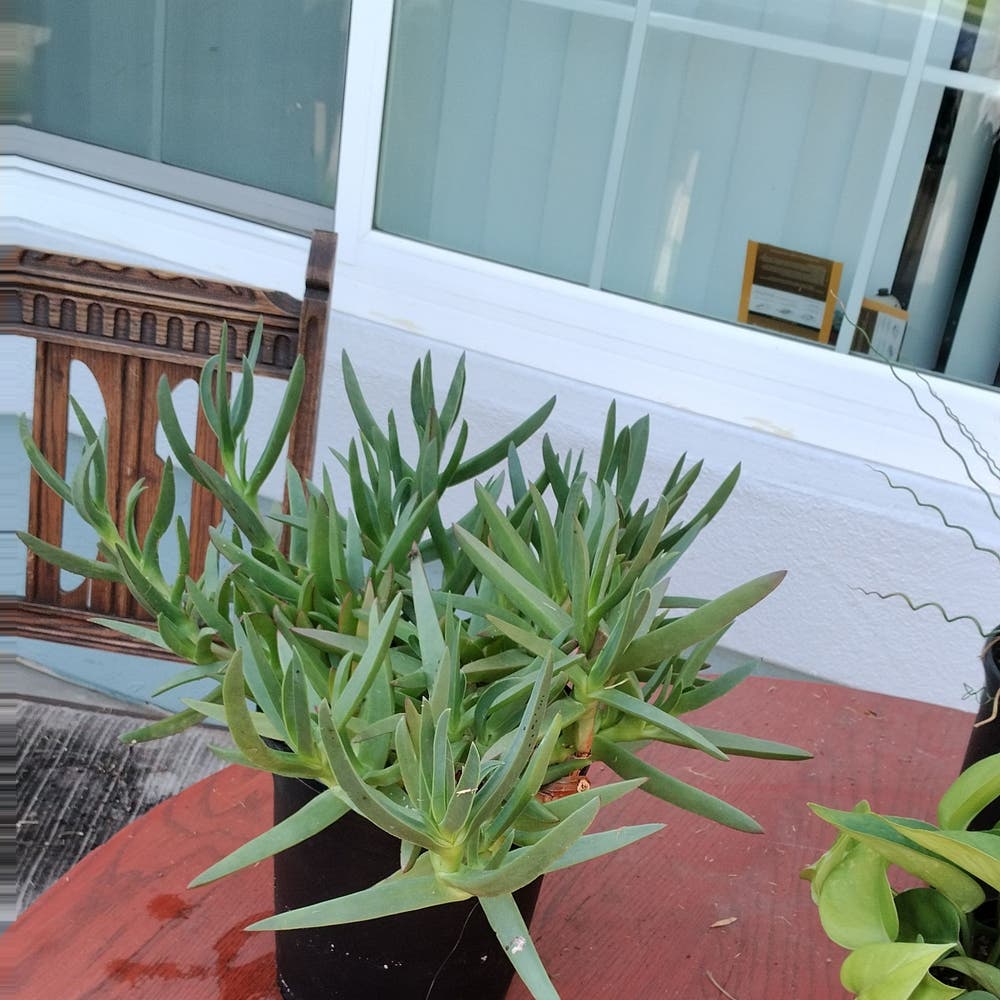
Vibrant growth and uniform coloration are your silent nods of approval from a well-fertilized Chilean Sea Fig. When leaves stand at attention with a robust texture, you're on the right track. Spotting new, healthy blooms? That's your green thumbs-up.
🆘 SOS: Saving an Over-Fertilized Plant
Leaf browning at the tips? Your Chilean Sea Fig might be crying out from too much love. A white, salty crust on the soil surface is a telltale sign of over-fertilization. If growth has stunted, it's time to reassess your regimen. Don't just wing it—dial it back. Consider flushing the soil with water to leach out excess nutrients. Remember, less is often more when it comes to fertilization.
⚠️ Safety First
This content is for general information and may contain errors, omissions, or outdated details. It is not medical, veterinary advice, or an endorsement of therapeutic claims.
Always consult a qualified healthcare professional before using any plant as food, medicine, or supplement.
Never eat any plant (or feed one to pets) without confirming its identity with at least two trusted sources.
If you suspect poisoning, call Poison Control (800) 222-1222, the Pet Poison Helpline (800) 213-6680, or your local emergency service immediately.
Spotted an error? Please report it here.
Nurture your Chilean Sea Fig to flourishing perfection 🌱 with Greg's tailored fertilizing reminders, dodging the pitfalls of over or under-nourishment with ease.