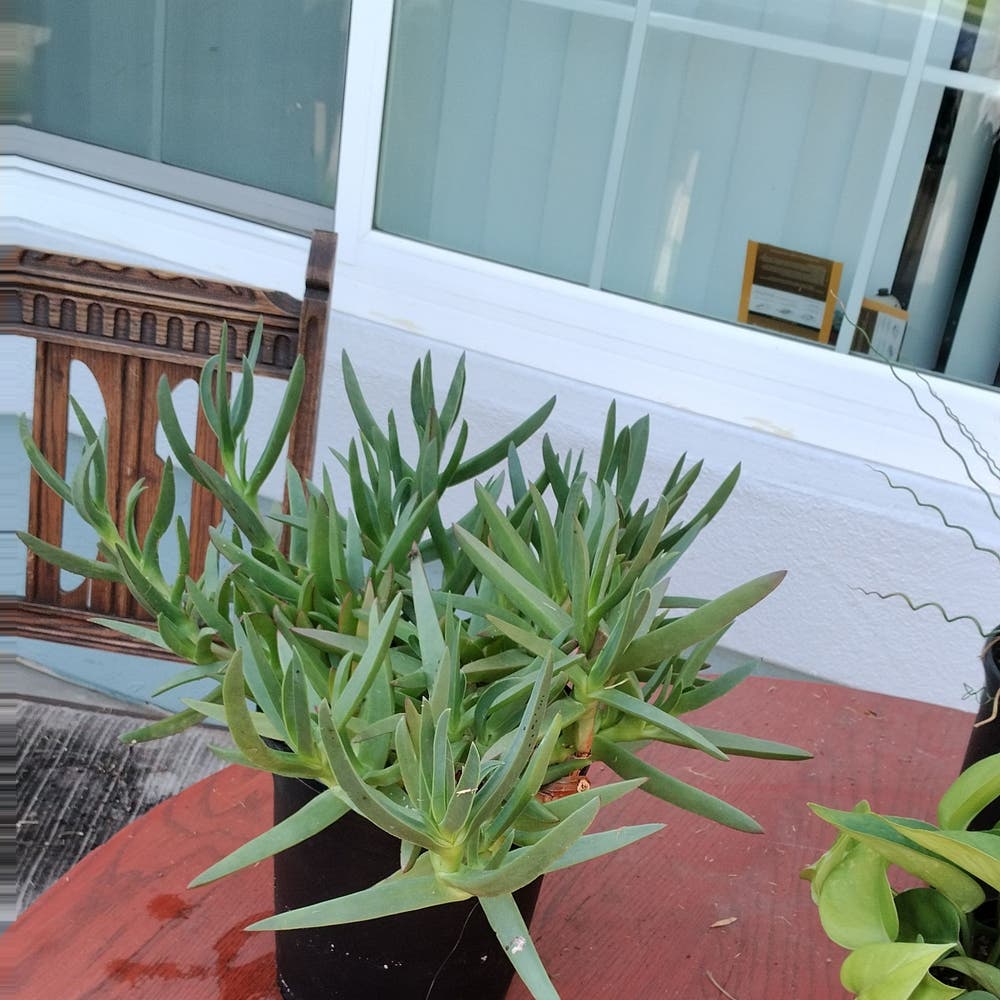
💜 Purple Ice Plant Zones
Carpobrotus chilensis
By the Greg Editorial Team
Oct 12, 2024•5 min read
This article was created with the help of AI so we can cover more plants for you. May contain errors. See one? Report it here.
Master temperature tolerance 🌡️ for thriving Purple Ice Plants in any climate—your garden will thank you!
- 🌡️ Purple Ice Plant thrives between 20°F and 100°F, making it versatile for many zones.
- ❄️ Frost protection is crucial; cover plants during cold snaps to prevent damage.
- 🌞 Well-drained, sunny locations enhance growth and blooms for Purple Ice Plant.
Temperature Tolerance of Purple Ice Plant
❄️ Cold Tolerance and Temperature Ranges
Purple Ice Plant can withstand temperatures as low as 20°F (-6°C). This remarkable cold tolerance allows it to survive in various climates, but frost can pose challenges to its growth.
Frost can damage the plant's leaves and flowers, impacting overall health. Understanding the timing of the first and last frost is crucial for ensuring the survival of Purple Ice Plant in colder regions.
🔥 Heat Tolerance and Temperature Ranges
On the flip side, Purple Ice Plant thrives in heat, tolerating temperatures up to 100°F (38°C). However, prolonged exposure to such high temperatures can stress the plant, affecting its vitality.
Drought resistance becomes vital in these conditions, allowing the plant to conserve moisture and maintain health even during dry spells.
🌨️ Effects of Frost on Purple Ice Plant
Frost can significantly impact the growth and flowering of Purple Ice Plant. Signs of frost damage include wilting leaves and discolored flowers, which can hinder its aesthetic appeal.
To protect your Purple Ice Plant from frost, consider covering it during cold snaps or relocating it to a more sheltered area. These strategies can help ensure your plant remains vibrant and healthy through the colder months.
Understanding both cold and heat tolerances is essential for successful cultivation. With the right care, your Purple Ice Plant can flourish in a variety of climates, setting the stage for exploring ideal growing regions next.
Ideal Growing Regions for Purple Ice Plant
🌍 Examples of US States Suitable for Growing
Purple Ice Plant thrives in several US states, particularly those with favorable climates.
- California: This state offers both coastal regions and desert areas, providing the ideal environment for these resilient plants.
- Arizona: Known for its desert climate, Arizona is another hotspot where Purple Ice Plant can flourish.
- Texas: With its mild winters, Texas Purple Ice Plantble habitat for growing Purple Ice Plant.
🌱 Factors Contributing to Ideal Growing Conditions
Several key factors contribute to the successful growth of Purple Ice Plant.
- Well-Drained Soils: These plants prefer soils that drain well, preventing waterlogging and root rot.
- Drought-Resistant Characteristics: Their natural ability to withstand dry conditions makes them perfect for arid regions.
- Sunlight and Minimal Frost Exposure: Ample sunlight is crucial, while minimal frost exposure helps ensure healthy growth.
Understanding these factors can help gardeners select the best locations for their Purple Ice Plant, maximizing their chances for vibrant blooms and robust health.
As we explore further, let’s dive into how microclimates can create even more opportunities for growiPurple Ice Plantt plant.
Microclimates and Their Impact
🌡️ How Microclimates Can Extend Growing Zones
Microclimates are localized areas that experience different climatic conditions than the surrounding regions. These variations can create favorable environments for Purple Ice Plant, allowing it to thrive even in less-than-ideal zones.
Urban areas often generate heat islands, which can keep temperatures warmer than rural settings. This can be a game-changer for gardeners looking to cultivate Purple Ice Plant in cities where the climate might otherwise be too harsh.
🌊 Examples of Microclimates that Benefit Purple Ice Plant
Coastal microclimates are particularly beneficial due to their moderated temperatures. The ocean acts as a buffer, reducing temperature extremes and providing a more stable environment for growth.
South-facing slopes are another excellent example. These areas capture and retain heat, creating a warmPurple Ice Plantat can extend the growing season for Purple Ice Plant.
Understanding these microclimates can help gardeners maximize their success with this resilient plant. By choosing the right location, you can ensure your Purple Ice Plant flourishes, even in challenging climates.
As we explore the ideal growing regions next, consider how these microclimates might influence your gardening choices.
State-Level Suitability Analysis
List of States Within Suitable Hardiness Zones 🌞
Several states are ideal for cultivating Purple Ice Plant due to their favorable climates. These include:
- California
- Arizona
- Texas
- Florida
- Nevada
These regions offer the warmth and minimal frost exposure that this resilient plant thrives on.
List of States Outside Suitable Hardiness Zones ❄️
Conversely, some states present challenges for growing Purple Ice Plant. These include:
- North Dakota
- Minnesota
- Maine
- Vermont
- Alaska
The colder temperatures and harsher winters in these areas make it difficult for the plant to survive.
Reasons for Suitability or Unsuitability 🔍
Understanding why certain states are more suitable involves examining several factors.
Temperature Extremes and Frost Occurrences
States like California and Florida enjoy mild winters, allowing Purple Ice Plant to flourish. In contrast, states like Minnesota face severe frost, which can damage or kill the plant.
Soil Conditions and Moisture Availability
Well-drained soils are crucial for the health of Purple Ice Plant. States with sandy or rocky soils, such as Arizona and Nevada, provide the drainage this plant needs.
Impact of Regional Climate
The overall climate plays a significant role. Coastal regions offer moderated temperatures, while desert areas provide the heat and sunlight that Purple Ice Plant loves.
In summary, choosing the right state for growing Purple Ice Plant hinges on understanding these climatic and soil conditions. This knowledge empowers gardeners to create thriving environments for their plants.
Next, we’ll explore how microclimates can further influence the growing zones for Purple Ice Plant.
⚠️ Safety First
This content is for general information and may contain errors, omissions, or outdated details. It is not medical, veterinary advice, or an endorsement of therapeutic claims.
Always consult a qualified healthcare professional before using any plant as food, medicine, or supplement.
Never eat any plant (or feed one to pets) without confirming its identity with at least two trusted sources.
If you suspect poisoning, call Poison Control (800) 222-1222, the Pet Poison Helpline (800) 213-6680, or your local emergency service immediately.
Spotted an error? Please report it here.
Cultivate a thriving Purple Ice Plant 🌼 by using Greg's tailored care tips and frost reminders to help your plant flourish in any climate!