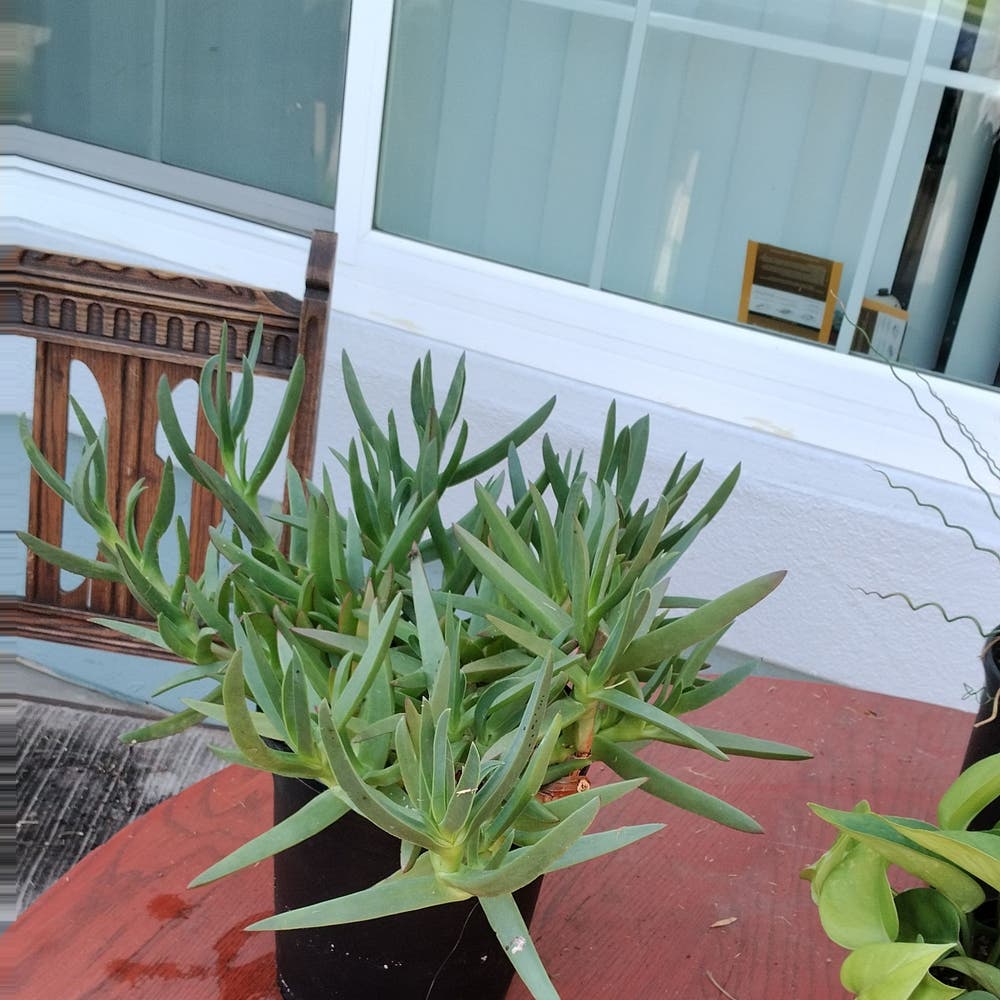
3 Tips for Healing Black Spots on Your Purple Ice Plant 🩹
Carpobrotus chilensis
By the Greg Editorial Team
Oct 12, 2024•5 min read
This article was created with the help of AI so we can cover more plants for you. May contain errors. See one? Report it here.
Transform your Purple Ice Plant's health by mastering diagnosis and treatment for pesky black spots! 🌱
- 🌱 Identify black spot causes: fungal, bacterial, or environmental stress for effective treatment.
- 🔍 Inspect leaves regularly for pests and signs of mold or mildew to prevent issues.
- 🌿 Prune affected areas and improve drainage to promote healthy growth in your Purple Ice Plant.
Diagnosing the Problem
Differentiating Between Fungal, Bacterial, and Environmental Causes 🌱
Understanding the root cause of black spots on your Purple Ice Plant is crucial. Fungal infections typically present as dark, fuzzy patches, while bacterial infections may show as water-soaked spots that can ooze.
Environmental stress can also lead to black spots. Look for signs of sunburn, such as bleached or crispy leaves, and be aware of nutrient deficiencies, which can cause yellowing or stunted growth.
How to Inspect Your Plant for Pests and Diseases 🔍
A thorough inspection is key to diagnosing issues effectively. Start by examining the underside of leaves for pests, as they often hide there.
Next, check for signs of mold or mildew, which can indicate excessive moisture. Finally, assess soil moisture levels and drainage to ensure your plant isn’t sitting in water.
Tools Needed for Effective Inspection 🛠️
To make your inspection easier, gather a few essential tools. A magnifying glass will help you spot tiny pests and details.
Clean scissors are also important for pruning any affected areas. Keeping your tools clean prevents the spread of diseases and promotes better plant health.
With a solid understanding of the problem and a keen eye for inspection, you're well on your way to restoring your Purple Ice Plant's health. Next, let’s explore treatment options to tackle those pesky black spots effectively.
Treatment Options
Step-by-Step Guide to Treating Black Spots 🌱
Remove Affected Leaves and Stems
Start by carefully pruning away any leaves or stems showing black spots. Proper pruning techniques are crucial to prevent further spread of the infection.Adjust Watering Practices
Ensure that you allow the soil to dry out between waterings. Overwatering can exacerbate the problem, so it's essential to find the right balance.Improve Soil Drainage
Consider amending your soil to enhance drainage. Adding materials like perlite or sand can help create a well-draining environment for your Purple Ice Plant.
Recommended Fungicides and Natural Remedies 🧪
Chemical Fungicides
Look for fungicides specifically formulated for succulents. Always follow application methods and safety precautions to protect both your plant and yourself.Natural Remedies
Neem oil and baking soda solutions are effective natural treatments for fungal infections. These remedies can help combat the issue without harsh chemicals.
Importance of Proper Pruning Techniques ✂️
Effective Pruning for Air Circulation
Pruning not only removes affected areas but also promotes better air circulation around your plant. This can significantly reduce the chances of future infections.Timing and Tools
Use clean, sharp scissors for pruning black-spotted areas. The right timing, ideally during the growing season, can enhance recovery.Benefits of Pruning
Regular pruning contributes to overall plant health, encouraging new growth and improving the plant's appearance. A well-maintained plant is less susceptible to diseases.
With these treatment options in hand, you're well-equipped to tackle black spots on your Purple Ice Plant. Next, let’s explore preventive measures to keep your plant healthy and vibrant.
Preventive Measures
Best Practices for Watering and Soil Selection 🌱
Choosing the right soil is crucial for your Purple Ice Plant. Opt for well-draining soil to prevent root rot and promote healthy growth.
Watering frequency is equally important. Allow the soil to dry out between waterings, and watch for signs of overwatering, such as yellowing leaves or a mushy stem.
Importance of Sunlight and Air Circulation ☀️
Delosperma cooperi thrives in bright sunlight. However, too much direct sun can scorch its leaves, while too little can stunt its growth.
To enhance air circulation, consider the plant's placement. Ensure it has enough space around it to breathe, especially in crowded garden settings.
Seasonal Care Tips to Prevent Black Spots ❄️
Adjust your care routine with the changing seasons. In winter, reduce watering and protect your succulent from frost.
Keep an eye on environmental conditions. Shield your plant from extreme weather, such as heavy rain or intense heat, to maintain its health and vibrancy.
By following these preventive measures, you can significantly reduce the risk of black spots and keep your Purple Ice Plant thriving. Next, let’s explore how to monitor your plant’s health effectively.
Monitoring Plant Health
🔍 Regular Inspection Routines
Regular inspections are crucial for the health of your Purple Ice Plant. Aim to check your plant at least once a week to catch any issues early.
Create a simple checklist to assess plant health. Look at leaf appearance for discoloration or spots, check soil moisture to avoid overwatering, and inspect for any pests lurking around.
🌱 Signs of Recovery and When to Seek Further Help
After treatment, watch for signs that your plant is bouncing back. New growth and improved leaf color are excellent indicators that your efforts are paying off.
If problems persist despite your best care, it might be time to consult a professional or your local extension service. They can provide insights tailored to your specific situation and help you get your plant back on track.
⚠️ Safety First
This content is for general information and may contain errors, omissions, or outdated details. It is not medical, veterinary advice, or an endorsement of therapeutic claims.
Always consult a qualified healthcare professional before using any plant as food, medicine, or supplement.
Never eat any plant (or feed one to pets) without confirming its identity with at least two trusted sources.
If you suspect poisoning, call Poison Control (800) 222-1222, the Pet Poison Helpline (800) 213-6680, or your local emergency service immediately.
Spotted an error? Please report it here.
Revive your Purple Ice Plant from black spots with proactive care 🌿—let Greg guide you with tailored reminders and expert tips for thriving plants!