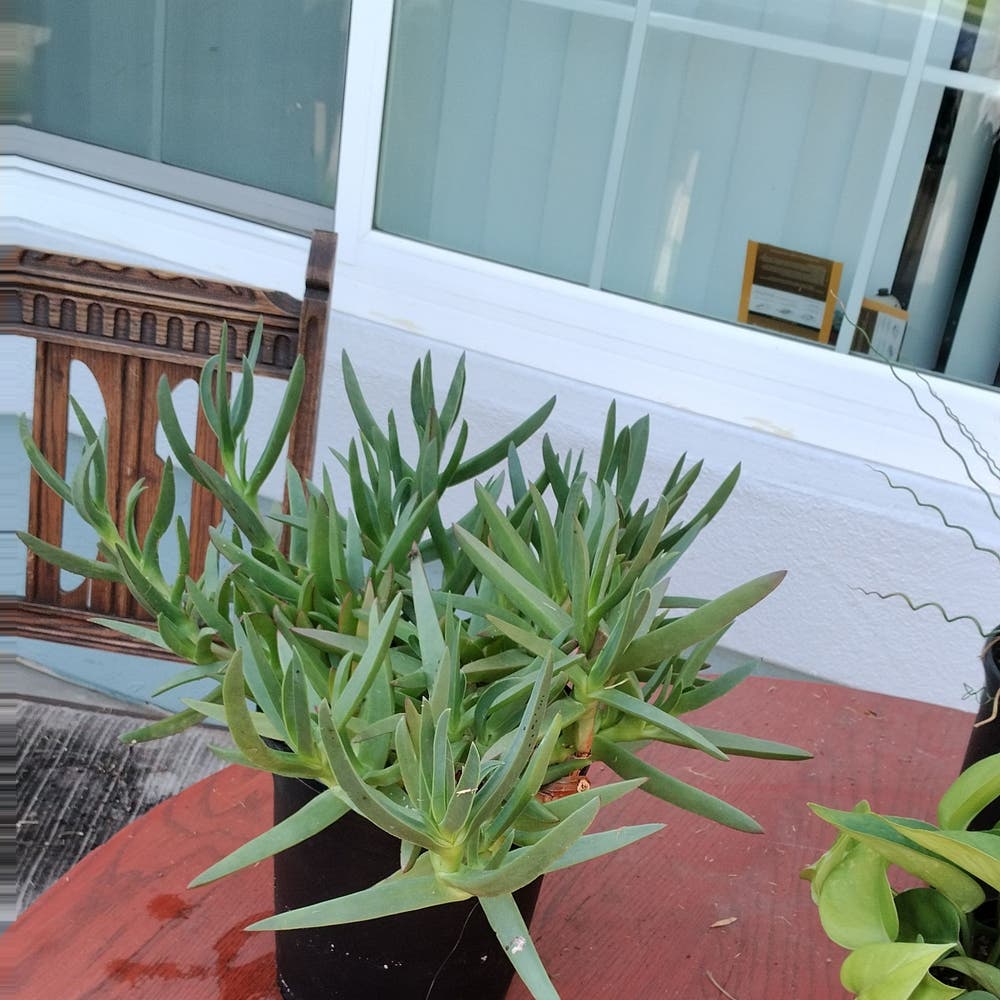
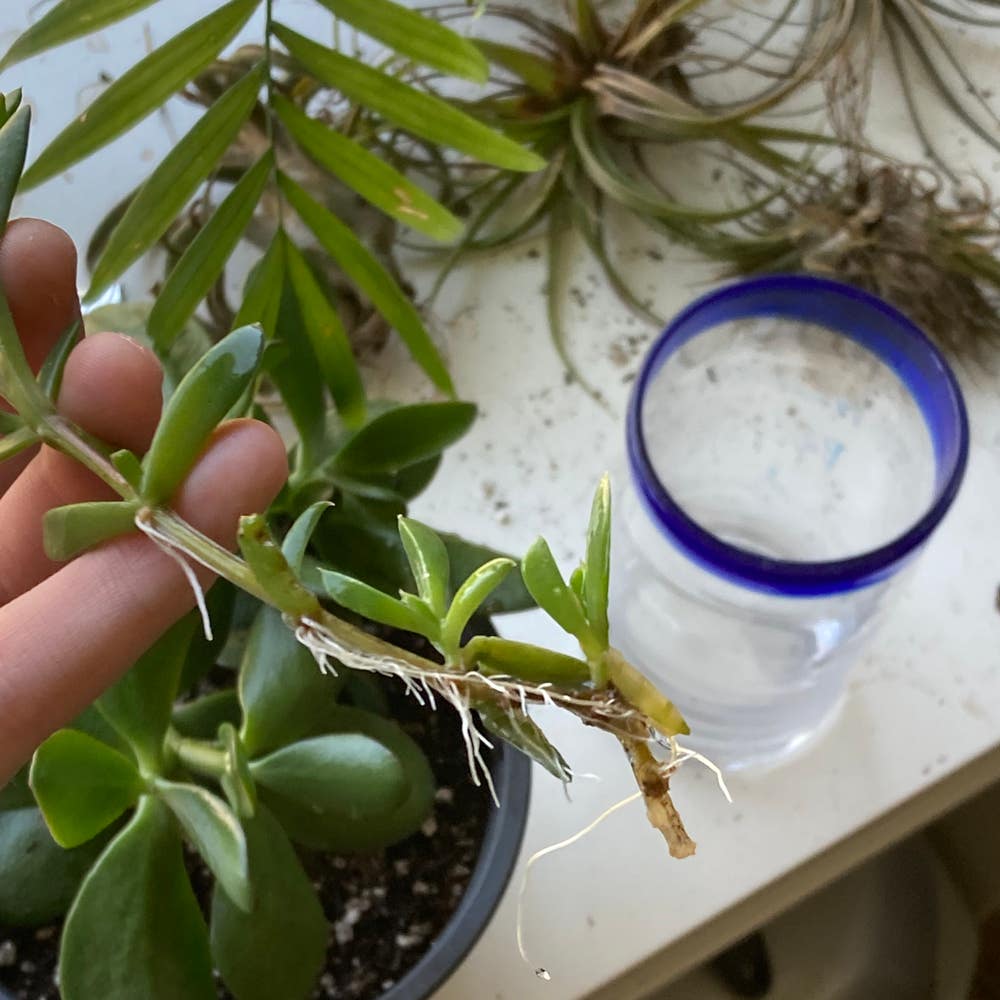
❄️ 3 Tips for Healing Dropping Leaves on Your Purple Ice Plant
Carpobrotus chilensis
By the Greg Editorial Team
Oct 12, 2024•7 min read
This article was created with the help of AI so we can cover more plants for you. May contain errors. See one? Report it here.
Transform your Purple Ice Plant's health by mastering leaf drop prevention techniques! 🌿✨
- 💧 Overwatering and underwatering both cause leaf drop; balance is key!
- 🌡️ Temperature extremes stress your plant; keep it between 50°F and 90°F.
- 🌞 Ensure 6+ hours of sunlight daily for optimal growth and leaf health.
Causes of Leaf Drop
💧 Overwatering and Its Effects
Overwatering is a common culprit behind leaf drop in your Purple Ice Plant. Symptoms include yellowing leaves, a soft and mushy texture, and the dreaded root rot.
To prevent these issues, ensure your plant is in well-draining soil. It's crucial to let the soil dry out completely between waterings to maintain healthy roots.
🚰 Underwatering and Dehydration
On the flip side, underwatering can also lead to leaf drop. Look for signs like wrinkled or shriveled leaves, which indicate stress from lack of water.
Dehydration symptoms include leaves turning brown at the tips and stunted growth. Water thoroughly when the top inch of soil feels dry to the touch.
🌡️ Environmental Stress Factors
Temperature plays a significant role in your plant's health. The ideal range is between 65°F to 80°F (18°C to 27°C), but extremes—below 50°F or above 90°F—can cause stress.
Humidity is another factor; low humidity levels are best. High humidity can lead to fungal issues, so be mindful of sudden environmental changes that might affect your plant's well-being.
🐛 Pest Infestations
Pests can wreak havoc on your Purple Ice Plant. Common offenders include mealybugs, which appear as white, cotton-like masses, and aphids, small green insects that suck sap.
Symptoms of pest infestations include leaf drop and distorted growth. For treatment, consider using neem oil or insecticidal soap to keep these pests at bay.
🌱 Soil Quality and Drainage Issues
Soil quality is vital for your plant's health. A well-draining soil mix, like cactus mix or a blend of potting soil and sand, is essential.
Signs of poor drainage include water pooling on the surface and a foul odor emanating from the soil. To improve aeration, add perlite or gravel to your mix, ensuring your plant thrives.
Understanding these causes of leaf drop is the first step in nurturing your Purple Ice Plant back to health. Next, let’s dive into diagnosing the specific issues affecting your plant.
Diagnosing Leaf Drop
🌊 Identifying Symptoms of Overwatering
Overwatering can be a silent killer for your Purple Ice Plant. Look for leaf discoloration and texture changes; yellowing leaves often signal too much water.
During repotting, check the roots. If they feel mushy, it’s a clear sign of root rot, which can lead to leaf drop if not addressed.
💧 Recognizing Signs of Underwatering
Underwatering can also cause distress. Wrinkled or browning leaves indicate your plant is thirsty and stressed.
To check soil moisture, use a moisture meter or simply stick your finger into the soil. If the top inch is dry, it’s time to water.
🐛 Checking for Pests and Diseases
Pests can wreak havoc on your plant's health. Regularly inspect leaves and stems for signs of mealybugs or aphids, which can lead to leaf drop.
Don’t overlook diseases, either. Fungal infections can also cause significant damage, so keep an eye out for any unusual spots or growths.
🌡️ Evaluating Environmental Conditions
Environmental factors play a crucial role in your plant's well-being. Ensure your Purple Ice Plant receives a minimum of 6 hours of direct sunlight daily for optimal growth.
Additionally, monitor temperature and humidity levels. Extreme fluctuations can stress your plant, leading to unwanted leaf drop.
By diagnosing these issues early, you can take proactive steps to keep your Purple Ice Plant thriving. Next, let’s explore how to prevent leaf drop effectively.
Preventing Leaf Drop
Proper Watering Techniques 🌊
To keep your Purple Ice Plant thriving, establish a watering schedule that emphasizes deep but infrequent watering. This approach encourages strong root development and prevents waterlogging.
Check soil moisture using simple techniques like the finger test or a moisture meter. Insert your finger about an inch into the soil; if it feels dry, it’s time to water.
Ideal Soil Composition and Drainage Methods 🪴
A well-draining soil mix is crucial for your plant's health. Aim for a blend of 50% potting soil, 30% perlite, and 20% sand to ensure proper aeration and drainage.
Choosing the right pot is equally important. Always use pots with drainage holes to prevent water accumulation at the bottom, which can lead to root rot.
Optimal Sunlight Exposure and Temperature Ranges ☀️
Your Purple Ice Plant loves the sun! Ensure it receives at least six hours of direct sunlight daily for optimal growth.
Temperature management is key. Avoid placing your plant near drafts or heat sources, as extreme fluctuations can stress it out.
Regular Pest Monitoring and Control Measures 🐛
Establish a routine for inspecting your plant for pests. Regular checks can help you catch any infestations early, preventing significant damage.
Consider using preventative treatments like neem oil. This natural solution can deter pests and keep your plant healthy without harsh chemicals.
By following these preventive measures, you can create a thriving environment for your Purple Ice Plant, reducing the chances of leaf drop and ensuring it remains vibrant and healthy. Next, let’s dive into how to treat leaf drop effectively if it does occur.
Treating Leaf Drop
Step-by-Step Guide to Adjusting Watering Habits 🌊
- Assess current watering frequency. Take a moment to evaluate how often you're watering your Purple Ice Plant.
- Allow soil to dry out completely before the next watering. This is crucial for preventing root rot and promoting healthy growth.
- Adjust frequency based on seasonal changes. During warmer months, your plant may need more water, while in winter, cut back significantly.
How to Improve Soil Drainage 🕳️
- Repot using a well-draining soil mix. A mix designed for cacti or succulents works wonders.
- Add perlite or gravel to existing soil. This enhances aeration and prevents water from pooling.
- Ensure the pot has adequate drainage holes. Good drainage is essential for keeping your plant happy.
Methods for Treating Pest Infestations 🐛
- Identify the type of pest present. Look for signs like white cottony masses or small green insects.
- Apply neem oil or insecticidal soap as directed. These treatments are effective and safe for your plant.
- Monitor the plant for signs of recovery. Keep an eye out for new growth and healthier leaves.
Tips for Acclimating the Plant to Environmental Changes 🌱
- Gradually introduce the plant to new light conditions. Sudden changes can stress your plant.
- Avoid sudden temperature changes by moving the plant slowly. This helps your Purple Ice Plant adjust without shock.
By following these steps, you can effectively treat leaf drop and nurture your Purple Ice Plant back to health. Next, let’s explore seasonal considerations to keep your plant thriving year-round.
Seasonal Considerations
Adjusting Care During Different Seasons 🌦️
Caring for your Purple Ice Plant requires adapting your approach with the changing seasons. In summer, increase watering frequency to keep the soil moist, while in winter, reduce it significantly to prevent root rot.
Fertilization also plays a key role. Light feeding during the growing season—spring and summer—will help your plant thrive, while it's best to hold off during the dormant months.
Preparing the Plant for Winter Dormancy ❄️
As temperatures drop, it's crucial to prepare your Purple Ice Plant for winter dormancy. Start by reducing watering frequency, allowing the soil to dry out more between waterings.
If frost is a concern, consider moving your plant indoors. This simple step can protect it from cold damage and ensure it stays healthy through the winter months.
Summer Care Tips to Prevent Stress ☀️
Summer can be a challenging time for your Purple Ice Plant, but with the right care, you can prevent stress. Ensure you provide adequate watering during the hot months, as the heat can quickly dry out the soil.
Additionally, keep a close eye on pests. Increased temperatures often lead to heightened pest activity, so regular monitoring is essential to catch any infestations early.
By adjusting your care routine according to the seasons, you can help your Purple Ice Plant flourish year-round. Next, let's explore how to treat leaf drop effectively.
⚠️ Safety First
This content is for general information and may contain errors, omissions, or outdated details. It is not medical, veterinary advice, or an endorsement of therapeutic claims.
Always consult a qualified healthcare professional before using any plant as food, medicine, or supplement.
Never eat any plant (or feed one to pets) without confirming its identity with at least two trusted sources.
If you suspect poisoning, call Poison Control (800) 222-1222, the Pet Poison Helpline (800) 213-6680, or your local emergency service immediately.
Spotted an error? Please report it here.
Keep your Purple Ice Plant thriving 🌿 by mastering watering and pest control with Greg's tailored reminders and expert tips to prevent leaf drop!