🧊 Key Milestones in Purple Ice Plant Growth
Carpobrotus chilensis
By the Greg Editorial Team
Oct 12, 2024•6 min read
This article was created with the help of AI so we can cover more plants for you. May contain errors. See one? Report it here.
Discover how to cultivate vibrant purple ice plants 🌱 through their fascinating life cycle and essential care tips!
- 🌱 Germination takes 7-14 days in well-draining, sandy soil under optimal conditions.
- 🌞 Indirect sunlight is crucial during germination to prevent overheating of seeds.
- 🌼 Purple ice plants bloom bright purple flowers, attracting pollinators in mid-summer.
Germination Stage
🌱 Duration of Germination
Germination is a crucial first step in the life of the purple ice plant. Under optimal conditions, expect it to take about 7 to 14 days for seeds to sprout.
🌟 Conditions for Successful Germination
To ensure successful germination, focus on the following conditions:
Soil Requirements
Use well-draining, sandy soil. This type of soil prevents waterlogging, which can hinder seed growth.
Temperature Range
Aim for a temperature between 20°C to 25°C (68°F to 77°F). This range is ideal for encouraging seed sprouting.
Light Exposure
Provide indirect sunlight to avoid overheating. Too much direct sunlight can stress the seeds and slow down the germination process.
By meeting these conditions, you set the stage for healthy growth. Once germination is complete, the plant will transition into the seedling stage, where it begins to show its unique characteristics.
Seedling Stage
🌱 Characteristics of Seedlings
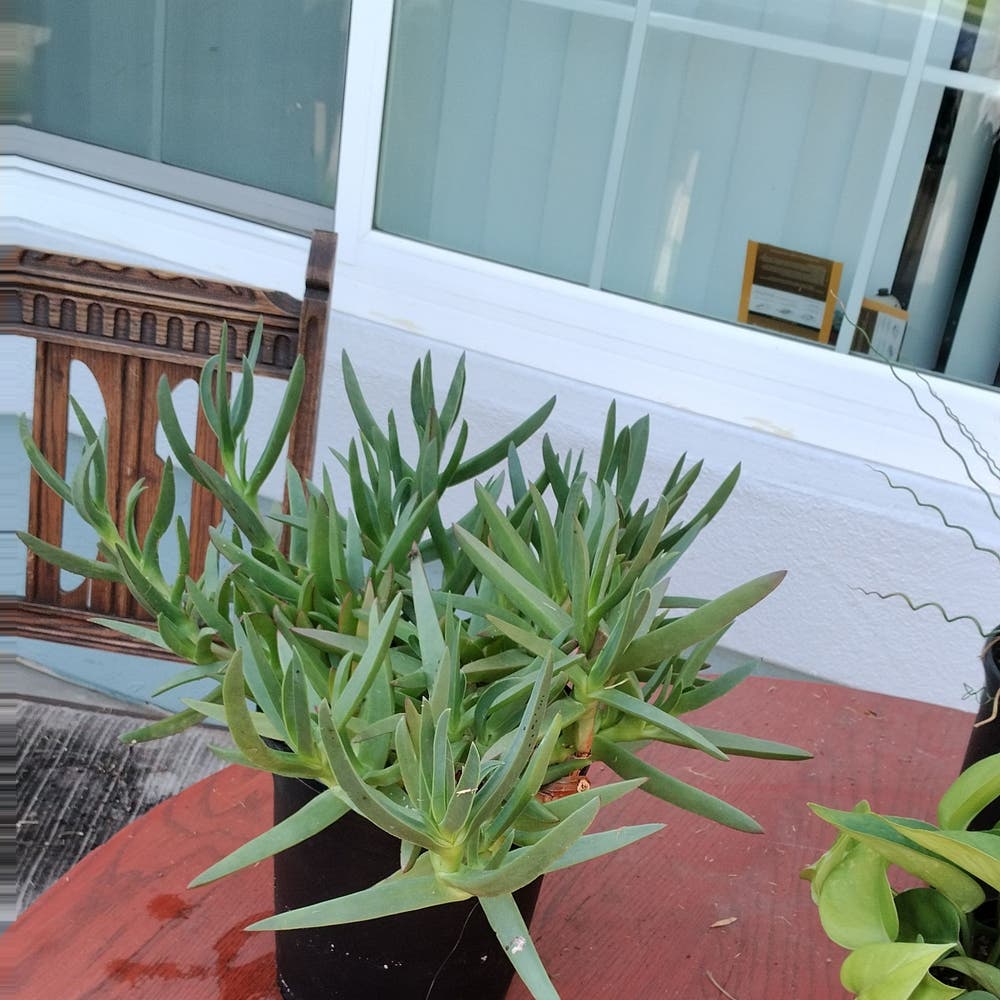
During the seedling stage, purple ice plants showcase small, fleshy leaves that range from vibrant green to a delicate light purple. Their growth habit is compact, keeping them low to the ground, which makes them perfect for ground cover.
⏳ Duration of the Seedling Stage
This stage lasts approximately 2-4 weeks, during which the seedlings develop true leaves. You'll know they are transitioning when you see these true leaves emerge and notice an increase in leaf size.
As the seedlings mature, they set the foundation for the next stages of growth, leading to a flourishing plant. Understanding this phase is crucial for nurturing your purple ice plant effectively.
Vegetative Growth Stage
Growth Patterns and Changes 🌱
During the vegetative growth stage, the purple ice plant showcases a remarkable spreading and mat-forming habit. This allows it to cover large areas quickly, making it an excellent choice for ground cover.
The succulent leaves undergo significant development, becoming thicker and more vibrant. This lush foliage not only enhances the plant's aesthetic appeal but also contributes to its drought resistance.
Duration of Vegetative Growth ⏳
The vegetative growth phase typically lasts between 4 to 8 weeks, depending on various environmental conditions. Factors such as soil quality, water availability, and sunlight exposure play crucial roles in determining the growth rate.
Optimal conditions can lead to rapid expansion, while less favorable environments may slow down progress. Understanding these influences helps in providing the best care for your purple ice plant.
As the plant matures, it prepares for the next exciting stage: flowering. This transition is marked by vibrant blooms that attract pollinators, enhancing the plant's lifecycle.
Flowering Stage
Timing of Flowering 🌸
Flowering in the purple ice plant typically occurs from late spring to summer, specifically between May and August. This vibrant display lasts several weeks, with the peak bloom happening in mid-summer.
Characteristics of Flowers 🌼
The flowers are striking, featuring bright purple petals that resemble daisies. They not only add beauty to your garden but also attract bees and other pollinators, which play a crucial role in enhancing seed production.
This flowering stage is a highlight in the life cycle of the purple ice plant, showcasing its resilience and adaptability. As we move forward, we’ll explore the fascinating process of seed production that follows this vibrant display.
Seed Production Stage
Process of Seed Production 🌱
After the flowering stage, the magic of seed production begins. Seed pods develop, housing the tiny seeds that will ensure the plant's continuation.
These seeds are small and lightweight, making them perfect for dispersal by wind or water. This natural mechanism helps the plant spread its reach, allowing new growth in various locations.
Duration and Conditions for Seed Production ⏳
The seed maturation process takes about 4-6 weeks following flowering. During this time, the seeds develop fully, preparing for their journey into the world.
For optimal seed development, dry conditions are essential. This environment allows the seeds to mature properly, ensuring a higher chance of successful germination when conditions are right.
As we explore the life cycle of the purple ice plant, it’s fascinating to see how each stage builds upon the last. Next, we’ll delve into the growth rate and maturation of this resilient succulent.
Growth Rate and Maturation
How Long Until Fully Grown? 🌱
The purple ice plant typically reaches full maturity within one growing season, which spans approximately 3 to 6 months. This rapid growth makes it an appealing choice for gardeners looking to fill spaces quickly.
Factors Affecting Growth Rate 🌡️
Several factors influence the growth rate of the purple ice plant. Environmental conditions such as temperature, light, and soil moisture play a crucial role in determining how fast it grows.
Genetic factors also contribute to variability among different cultivars. Some varieties may thrive better than others under specific conditions, impacting overall growth.
Comparison with Other Succulents 🌵
When compared to other succulents, the purple ice plant is generally a fast-growing option. In ideal conditions, it can outpace many common ground cover succulents, making it a standout choice for those seeking quick coverage.
Its ability to spread rapidly not only enhances garden aesthetics but also provides effective ground cover, reducing weed growth. This makes it a practical and visually appealing addition to any landscape.
As you consider incorporating the purple ice plant into your garden, keep in mind its growth rate and adaptability. These traits ensure that it not only flourishes but also transforms your space in no time.
Next, let’s explore the notable changes throughout the life cycle of the purple ice plant, highlighting its physical transformations and care needs.
Notable Changes Throughout Life Cycle
Physical Changes During Each Stage 🌱
The life cycle of the purple ice plant is marked by distinct physical transformations.
Germination: This stage kicks off with the emergence of cotyledons, the plant's first leaves, signaling the start of life.
Seedling: As the plant matures, true leaves develop, becoming thicker and more robust, showcasing its resilience.
Vegetative: During this phase, the plant expands its leaf area and adopts a spreading habit, covering ground efficiently.
Flowering: Finally, vibrant flowers burst forth, adding a splash of color and attracting pollinators.
Environmental Adaptations 🌍
The purple ice plant is a master of survival in harsh conditions.
Drought Resistance: Its succulent leaves store water, allowing it to thrive even when moisture is scarce.
Adaptation to Arid Conditions: This plant flourishes in poor, dry soils, making it an excellent choice for low-maintenance gardens.
Changes in Care Needs as the Plant Matures 🌿
As the purple ice plant grows, its care requirements evolve.
Watering Frequency: Initially, it needs regular watering, but this decreases as the plant matures and becomes more drought-resistant.
Fertilization: Once established, the plant requires minimal fertilization, thriving best in well-draining soil.
Understanding these changes not only enhances your gardening experience but also fosters a deeper appreciation for this resilient succulent. As we move forward, let’s explore how growth rates and maturation impact your gardening journey.
⚠️ Safety First
This content is for general information and may contain errors, omissions, or outdated details. It is not medical, veterinary advice, or an endorsement of therapeutic claims.
Always consult a qualified healthcare professional before using any plant as food, medicine, or supplement.
Never eat any plant (or feed one to pets) without confirming its identity with at least two trusted sources.
If you suspect poisoning, call Poison Control (800) 222-1222, the Pet Poison Helpline (800) 213-6680, or your local emergency service immediately.
Spotted an error? Please report it here.
Unlock the secrets to thriving purple ice plants 🌸 by using Greg's tailored care reminders to guide you from germination to blooming success!