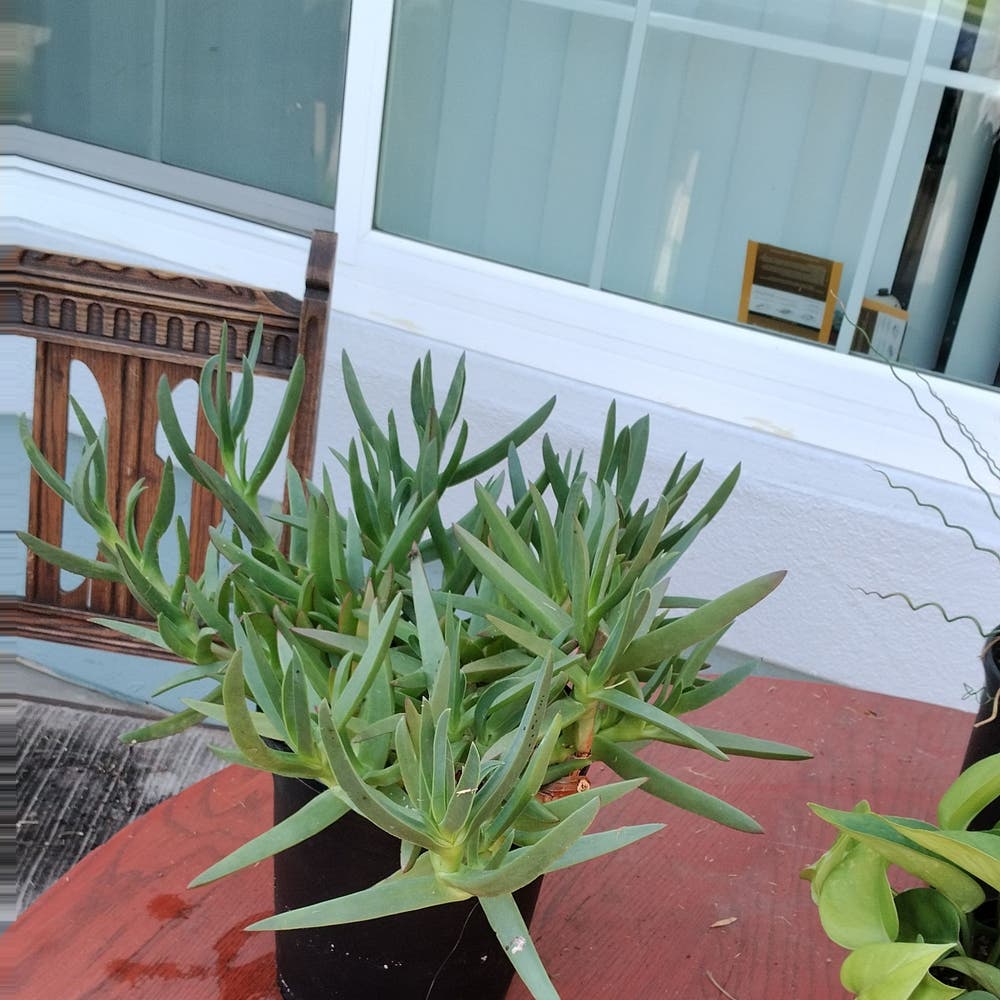
Best Tips for Droopy Leaves on Purple Ice Plant 💧
Carpobrotus chilensis
By the Greg Editorial Team
Oct 12, 2024•5 min read
This article was created with the help of AI so we can cover more plants for you. May contain errors. See one? Report it here.
Transform your droopy Purple Ice Plant 🌱 into a thriving beauty with essential diagnosis and care tips!
- 💧 Overwatering and underwatering both cause droopy leaves; adjust watering practices accordingly.
- 🌞 Ensure 6 hours of sunlight daily for optimal growth and leaf firmness.
- 🐛 Inspect for pests and root rot to prevent droopiness and promote recovery.
Diagnosing the Problem
🌊 Signs of Overwatering
Overwatering is a common issue for Purple Ice Plants. Look for yellowing leaves, which indicate root stress, and a mushy texture that suggests the leaves are waterlogged.
Inspect the roots for rot; dark, slimy roots are a clear sign that your plant is suffering. Addressing overwatering promptly can save your plant from further damage.
💧 Signs of Underwatering
On the flip side, underwatering can also lead to droopy leaves. Wrinkled leaves are a telltale sign of dehydration, while leaf drop indicates that the plant is shedding leaves due to insufficient moisture.
Check the soil; if it’s cracked or hard, your plant is likely in need of a drink. Recognizing these signs early can help revive your Purple Ice Plant.
🐛 Identifying Pest Infestations
Pests can wreak havoc on your plant's health. Common culprits include aphids, mealybugs, and spider mites, which can be identified by sticky residue, webbing, or the insects themselves.
Assess the damage by looking for leaf curling or discoloration. Early detection is key to managing pest infestations effectively.
🦠 Recognizing Disease Symptoms
Diseases can also cause droopiness in your Purple Ice Plant. Fungal infections often present as black spots or mold on the leaves, while bacterial infections may cause wilting or mushy leaves.
Understanding these symptoms is crucial for timely treatment. Early detection can make a significant difference in your plant's recovery.
By diagnosing these issues accurately, you can take the necessary steps to restore your Purple Ice Plant to its vibrant self. Next, let’s explore effective solutions for droopy leaves.
Solutions for Droopy Leaves
🌊 Adjusting Watering Practices
To revive your Purple Ice Plant, start by assessing soil moisture. Use a moisture meter or simply stick your finger into the soil to gauge its dampness.
Next, adjust your watering frequency. Allow the soil to dry out between waterings to prevent overwatering, which is a common issue.
For the best results, employ a deep watering technique. This encourages robust root growth, helping your plant thrive.
🕳️ Improving Soil Drainage
Soil composition plays a crucial role in your plant's health. A mix of potting soil with sand or perlite enhances drainage, preventing waterlogged roots.
Choosing the right container is also essential. Ensure your pots have drainage holes to allow excess water to escape.
If your plant continues to struggle, consider repotting. Changing the soil can significantly improve drainage and overall plant health.
☀️ Correcting Light Exposure
Light is vital for your Purple Ice Plant's growth. Aim for a minimum of 6 hours of direct sunlight daily to keep it vibrant.
If your plant isn’t getting enough light, adjust its placement. Moving it to a sunnier location can make a world of difference.
For precise monitoring, use a light meter. This tool helps you ensure your plant receives the optimal light levels it craves.
🐛 Treating Pests and Diseases
Pests can wreak havoc on your plant's health. Consider using organic pest control methods like neem oil or insecticidal soap to combat infestations.
For disease management, promptly remove any affected leaves. Improving air circulation around your plant can also help prevent future issues.
Lastly, make regular inspections a part of your routine. Early detection of problems is key to maintaining a healthy plant.
By implementing these solutions, you can help your Purple Ice Plant bounce back from droopiness. Next, let’s explore preventative measures to keep your plant thriving long-term.
Preventative Measures
Best Practices for Watering 🌊
Establishing a consistent watering schedule is crucial for your Purple Ice Plant. Aim to water every 1-2 weeks, adjusting based on environmental conditions.
During hotter months, increase your watering frequency to keep the plant hydrated. Consider using the Greg plant care app for timely reminders to ensure your plant receives the care it needs.
Ideal Soil Composition 🪴
The right soil mix is vital for healthy growth. A recommended blend consists of 50% potting soil, 30% sand, and 20% perlite.
Maintaining a neutral pH level between 6.0 and 7.0 is essential for optimal nutrient absorption. Additionally, ensuring good soil aeration prevents compaction, promoting healthy root development.
Optimal Sunlight Conditions ☀️
Purple Ice Plants thrive in full sun, requiring at least six hours of direct sunlight daily. This exposure is key for robust growth and vibrant flowering.
As seasons change, be ready to adjust your plant's placement to maximize sunlight. Keep an eye out for excessive shade, as it can hinder your plant's vitality.
These preventative measures will help maintain the health of your Purple Ice Plant, setting the stage for a flourishing garden. Next, let’s explore how to monitor plant health effectively.
Monitoring Plant Health
Regular Checks for Droopiness 🌱
To keep your Purple Ice Plant thriving, conduct weekly inspections. This helps you assess leaf health and moisture levels effectively.
Look for any signs of stress, such as drooping or discoloration. Noting these changes early can make a significant difference in recovery.
Signs of Recovery 🌼
As your plant begins to bounce back, you’ll notice leaf firmness returning to a healthy texture. New growth is a fantastic indicator that your care is paying off.
Keep an eye out for flowering as well; blooming is a sure sign of vitality and overall plant health.
When to Seek Professional Help 🩺
If droopiness persists despite your best care efforts, it may be time to consult a professional. Ongoing issues can indicate deeper problems that require expert intervention.
Severe infestations or disease concerns should also prompt a visit to a plant specialist. They can provide a precise diagnosis and tailored solutions to restore your plant's health.
⚠️ Safety First
This content is for general information and may contain errors, omissions, or outdated details. It is not medical, veterinary advice, or an endorsement of therapeutic claims.
Always consult a qualified healthcare professional before using any plant as food, medicine, or supplement.
Never eat any plant (or feed one to pets) without confirming its identity with at least two trusted sources.
If you suspect poisoning, call Poison Control (800) 222-1222, the Pet Poison Helpline (800) 213-6680, or your local emergency service immediately.
Spotted an error? Please report it here.
Keep your Purple Ice Plant thriving 🌞 by using Greg's personalized care reminders and moisture monitoring to master the art of watering and sunlight exposure!