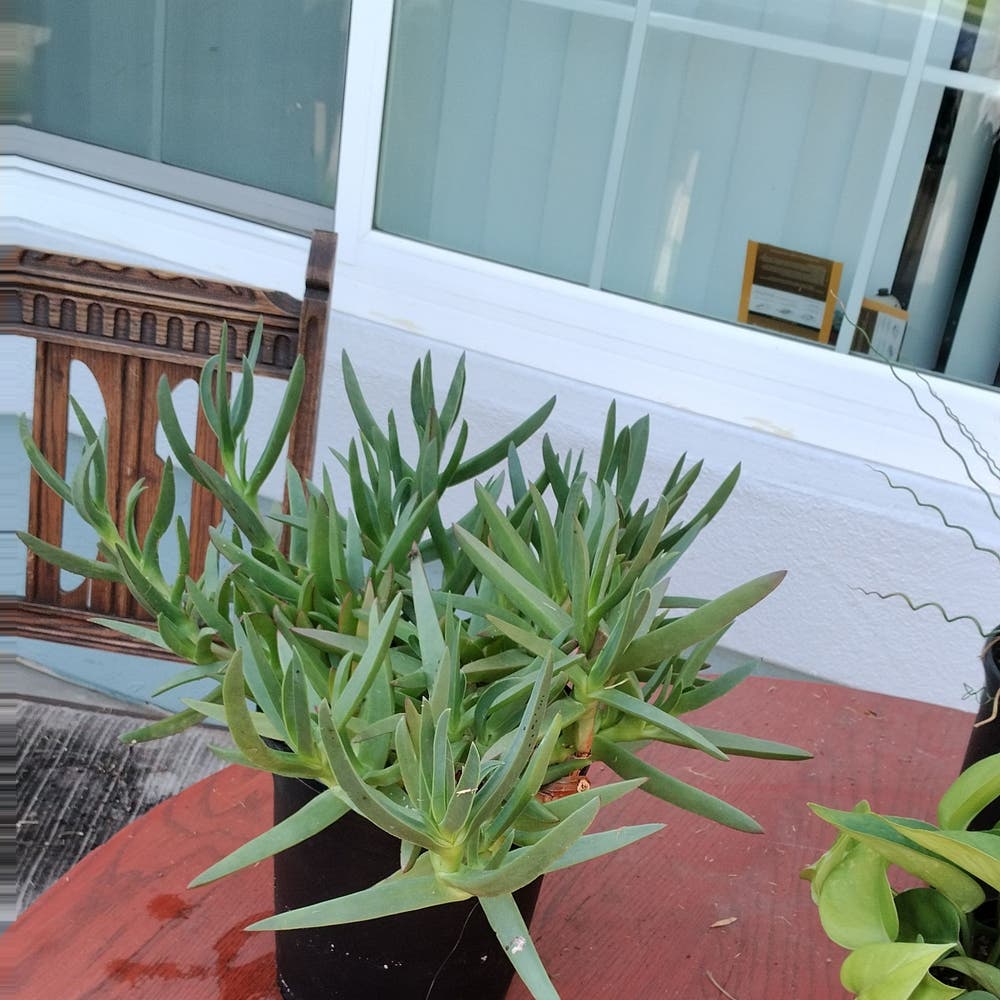
Chilean Sea Fig Root Rot Solutions
Carpobrotus chilensis
By the Greg Editorial Team
Jun 18, 2024•4 min read
This article was created with the help of AI so we can cover more plants for you. May contain errors. See one? Report it here.
Rescue your Chilean Sea Fig from root rot doom 🌱 with our expert recovery and prevention tips!
- Yellow leaves and wilting signal potential root rot in Chilean Sea Fig.
- Well-draining soil and pot are crucial for preventing and combating root rot.
- Balanced watering and environment help keep root rot at bay.
Spotting the Red Flags: Identifying Root Rot
🚩 Visual Symptoms
Yellowing leaves and wilting are not just a plant's bad day; they're distress signals. If your Chilean Sea Fig is looking less vibrant and more like it's waving a white flag, take note. Wilting is the plant's non-verbal way of saying, "Help!"
🕳 Below the Surface
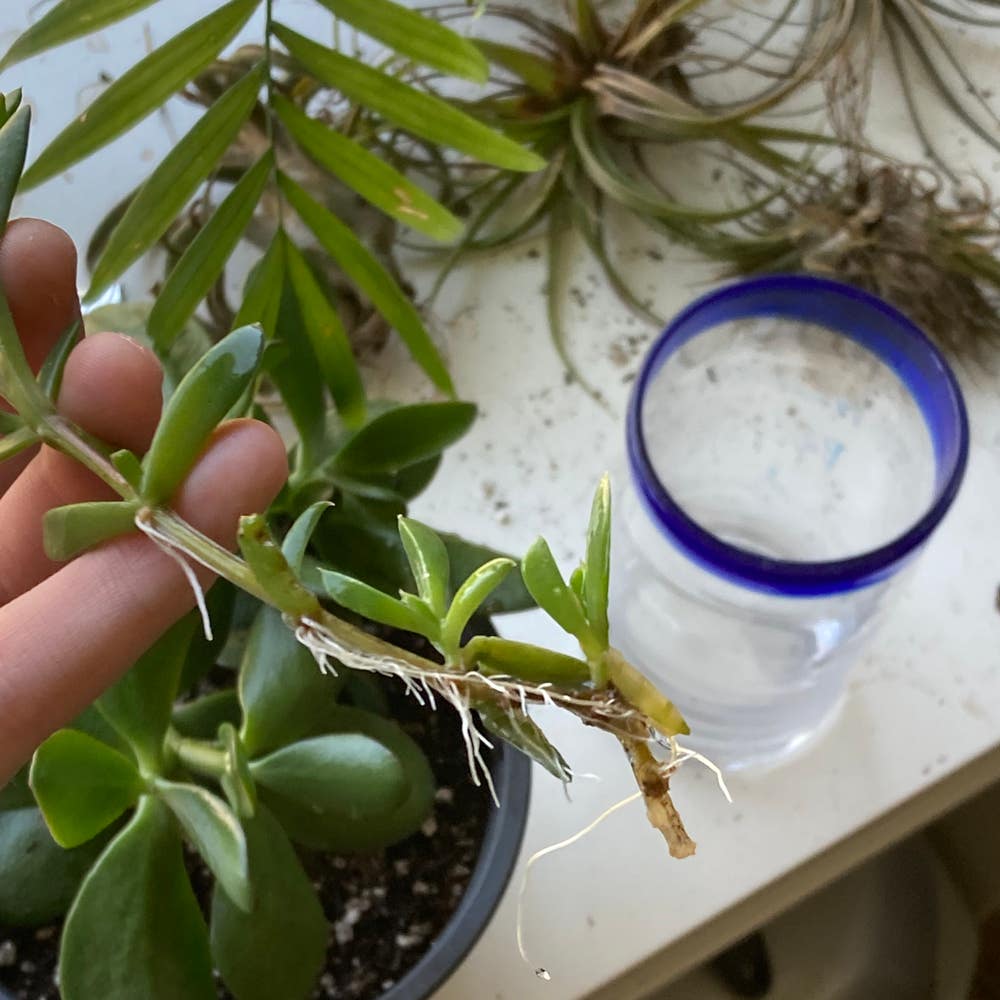
Roots should be firm and white, not mushy and brown. If they resemble overcooked spaghetti, it's a clear sign of root rot. A foul odor from the soil is like a silent alarm bell—don't ignore it. If the soil feels more like a swamp and less like a nurturing home, it's time to investigate further.

First Response: Immediate Actions to Combat Root Rot
🌱 Pruning the Damage
When root rot rears its ugly head, it's surgery time for your Chilean Sea Fig. Whip out those sterilized shears and cut away the mushy, brown roots. They're goners. But keep the firm, white ones—they're your plant's lifeline. Balance the root pruning with a top-side trim to help your plant focus on recovery.
🌿 Soil and Pot Overhaul
Next up, give your plant a new home. Well-draining soil is your best friend here, so mix in some perlite or sand for that airy feel. Choose a pot that's just the right size with drainage holes to prevent future waterlogging. This isn't just a pot switch; it's a life-saving transplant.

Fungus Among Us: Dealing with Pathogens
🛡️ Choosing Your Fungicide
When it comes to fungicides for your Chilean Sea Fig, think defense strategy. Neem oil and biological fungicides are your initial line of defense, offering a less aggressive, more plant-friendly approach. For tougher cases, copper-based fungicides act like a shield, stopping spore germination in its tracks. Remember to switch up your fungicides to prevent crafty fungi from building resistance.
🌱 Application Tips
Coverage is crucial when applying fungicides – think of it as an even coat of paint. Use a spray bottle to reach the undersides of leaves where sneaky fungi like to hide. Stick to the script – the product label is your bible here. And don't overdo it; more isn't always better. Apply with care from the first sign of trouble, and keep your plant's environment on the drier side to avoid rolling out the red carpet for more pathogens.

Keeping the Rot at Bay: Long-Term Prevention Strategies
💧 Watering Wisdom
Balanced watering is the cornerstone of preventing root rot in your Chilean Sea Fig. Check the soil's top inch; if it's dry, it's time to water. If not, hold off. Overwatering is a surefire way to drown your plant's roots in excess moisture.
🌿 Environmental Vigilance
Creating an environment that discourages fungal growth is critical. Adjust your care with the seasons; what works in summer won't fly in winter. Ensure good air circulation; a fan can help mimic a natural breeze, keeping the air moving and reducing the risk of fungal issues.
🌡️ Humidity and Temperature Control
Keep humidity levels in check. Too much moisture in the air can be just as harmful as soggy soil. Use a humidity meter to monitor the levels and adjust accordingly. Temperature also plays a role; maintain a consistent range that supports the health of your Chilean Sea Fig.
🌱 Soil and Pot Selection
Choose a well-draining soil mix and a pot with adequate drainage holes. Ingredients like perlite and sand can improve soil structure, preventing water from pooling and causing root rot.
🧼 Cleanliness and Maintenance
Keep your gardening tools and pots clean to prevent the spread of pathogens. It's simple hygiene, but it's effective in keeping fungal foes at bay.
🕵️ Monitoring and Adjusting
Regularly inspect your plant for signs of distress. Adjust your watering, lighting, and feeding routines with the changing seasons. It's about being proactive, not reactive, in your plant care strategy.
🦠 Fungicidal Precautions
For those prone to fungal issues, consider a preventative fungicide routine. Rotate products to prevent resistance and follow the instructions carefully to avoid stressing the plant further.
By implementing these strategies, you're setting up a defense system against root rot. It's about being a diligent plant guardian, armed with knowledge and a watering can.
⚠️ Safety First
This content is for general information and may contain errors, omissions, or outdated details. It is not medical, veterinary advice, or an endorsement of therapeutic claims.
Always consult a qualified healthcare professional before using any plant as food, medicine, or supplement.
Never eat any plant (or feed one to pets) without confirming its identity with at least two trusted sources.
If you suspect poisoning, call Poison Control (800) 222-1222, the Pet Poison Helpline (800) 213-6680, or your local emergency service immediately.
Spotted an error? Please report it here.
Prevent Chilean Sea Fig root rot by monitoring moisture 🚿 with Greg's tailored reminders, ensuring your plant's health and happiness.