4 Tips for Healthy Variegated Inch Plant Roots 🥕
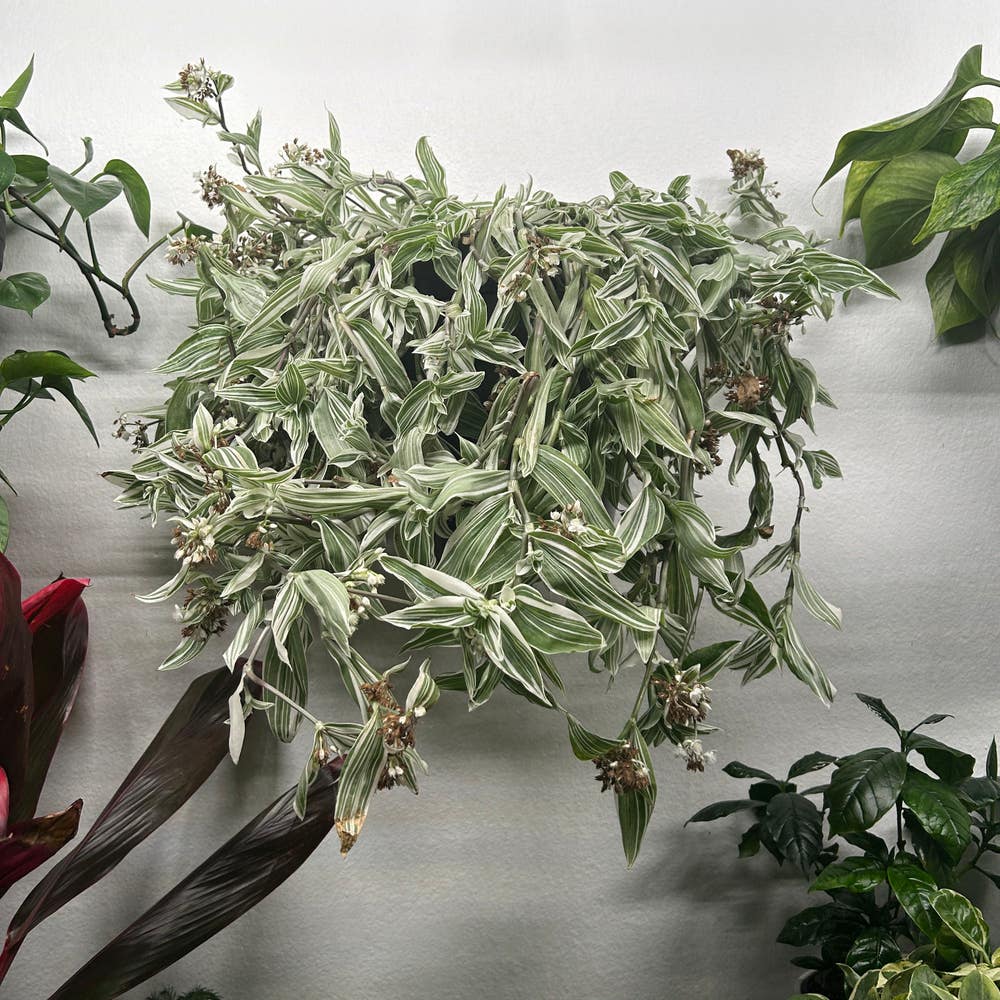
Tradescantia fluminensis 'Albovittata'
By the Greg Editorial Team
Sep 30, 2024•6 min read
This article was created with the help of AI so we can cover more plants for you. May contain errors. See one? Report it here.
- 🌱 Variegated inch plants have shallow, fibrous roots that enhance nutrient uptake and stability.
- 💧 Prevent root rot by allowing the top inch of soil to dry before watering.
- 🌿 Transplant when rootbound; choose a pot 1-2 inches larger for healthy growth.
Description of the Root System
🌱 Characteristics of Fibrous Roots
Fibrous roots form a network of thin, branching structures that spread out horizontally. This design allows for efficient nutrient uptake from the soil and provides better anchorage in pots and garden beds.
📏 Root Depth and Spread
Typically, the root depth of a variegated inch plant is shallow, extending about 6-12 inches deep. However, these roots can spread up to 2 feet horizontally, which significantly influences pot size and watering needs.
Roots tend to grow densely in the top layer of soil, actively seeking moisture and nutrients. This growth pattern is crucial for maintaining the plant's health and vitality.
Understanding these characteristics helps you create an optimal environment for your variegated inch plant, ensuring it thrives. Next, we’ll explore effective watering and fertilizing techniques to support this robust root system.
Watering and Fertilizing Techniques
🌱 Impact of Root System on Watering Frequency
Proper drainage is crucial for the health of fibrous roots, which are particularly sensitive to overwatering. To maintain optimal moisture levels, allow the top inch of soil to dry out before watering again.
Using a moisture meter can provide accurate readings, ensuring you water only when necessary. This simple tool can help prevent the common pitfalls of overwatering, keeping your variegated inch plant thriving.
🌿 Fertilizing Tips for Root Health
When it comes to fertilizers, balanced, water-soluble options are the best choice for your plant. These fertilizers provide essential nutrients that support robust root development.
Aim to fertilize every 4-6 weeks during the growing season for optimal results. Dilute the fertilizer in water and apply it during your regular watering routine to ensure even distribution and absorption.
By following these watering and fertilizing techniques, you can promote a healthy root system that supports the overall vitality of your variegated inch plant. Next, let’s explore the best practices for transplanting and propagating your plant to ensure its continued growth and success.
Transplanting and Propagation Best Practices
🌱 Transplanting Variegated Inch Plant
Transplanting your variegated inch plant is essential when you notice signs like rootbound conditions or stunted growth. These indicators suggest that the roots have outgrown their current home, and it's time for a change.
To ensure a smooth transplant, follow these best practices:
- Choose a pot that is 1-2 inches larger in diameter than the current one.
- Gently remove the plant from its pot, being careful not to damage the roots.
- Place the plant in the new pot with fresh, well-draining soil to promote healthy growth.
🌿 Importance of Root Health in Propagation
Healthy roots are crucial for successful propagation. Whether you're dividing the plant or taking cuttings, the condition of the roots can make or break your efforts.
For effective propagation, consider these techniques:
- Division: Carefully separate clumps of roots to create new plants.
- Cuttings: Ensure each cutting has healthy roots for the best chance of survival.
When handling roots during propagation, aim to minimize disturbance. This approach helps the plant recover quickly and thrive in its new environment.
By following these transplanting and propagation best practices, you can ensure your variegated inch plant remains healthy and vibrant, setting the stage for future growth and beauty. Next, let’s explore common root-related issues that might arise.
Common Root-Related Issues
🦠 Identifying Root Rot and Other Diseases
Root rot is a common issue that can plague your variegated inch plant. Look for symptoms like yellowing leaves, wilting, and mushy roots, which indicate that your plant is struggling.
Other diseases can also affect the roots, including fungal infections and pest infestations. Keeping an eye out for these signs is crucial for maintaining a healthy plant.
🛠️ Solutions for Preventing and Treating Root Problems
Prevention is always better than cure. To avoid root-related issues, ensure proper drainage and avoid overwatering your plant.
Using sterilized soil and pots can significantly reduce the risk of disease. This simple step can save you from future headaches.
If you do encounter problems, act quickly. Remove any affected roots and repot your plant in fresh soil to give it a fighting chance.
In some cases, applying fungicides may be necessary to tackle persistent issues. Always follow the instructions carefully for the best results.
By staying vigilant and proactive, you can keep your variegated inch plant thriving and healthy. Next, let’s explore how to recognize healthy versus unhealthy roots.
Recognizing Healthy vs. Unhealthy Roots
👀 Visual Cues for Healthy Roots
Healthy roots are a vital sign of a thriving variegated inch plant. Look for roots that are firm and exhibit a white or light tan color.
These characteristics indicate that your plant is absorbing nutrients effectively and is in good condition. There should be no foul odors or mushiness, which are red flags for root issues.
⚠️ Indicators of Unhealthy Roots and Corrective Actions
Unhealthy roots present several warning signs. Dark, mushy textures and foul smells are clear indicators that something is wrong.
If you notice root discoloration or decay, it’s time to take action. Trim away the unhealthy roots and repot the plant in fresh, well-draining soil.
Additionally, adjusting your watering practices can help prevent these issues from recurring. Regularly check your plant's roots to ensure they remain healthy and vibrant.
By keeping an eye on these visual cues, you can maintain a robust root system that supports your plant's overall health.
Addressing Rootbound Plants
Definition and Signs of Rootbound Conditions 🌱
Rootbound plants occur when roots circle around the pot, restricting growth and nutrient uptake. You can identify this condition by looking for roots emerging from drainage holes and observing stunted growth or wilting, even with proper care.
When and How to Address Rootbound Issues 🛠️
Intervention is necessary as soon as you notice signs of rootbound conditions. Follow these steps to resolve the issue:
- Gently remove the plant from its pot.
- Loosen the roots and trim any that are circling.
- Repot the plant in a larger container filled with fresh soil.
Addressing rootbound conditions promptly ensures your variegated inch plant continues to thrive. With proper care, your plant will flourish in its new space, ready for growth and vitality.
The Role of the Root System in Plant Resilience
🌱 Importance of a Healthy Root System
A robust root system is crucial for a plant's overall resilience. Healthy roots not only anchor the plant but also play a vital role in its ability to withstand stress factors like drought and pests.
Strong roots enhance drought resistance by efficiently absorbing water and nutrients from the soil. This capability allows plants to thrive even in challenging conditions, ensuring they remain vibrant and healthy.
🛠️ Strategies for Maintaining Root Health
To keep your variegated inch plant thriving, regular monitoring of watering and fertilizing practices is essential. Adjusting these practices based on the plant's needs can significantly improve root health.
Additionally, ensuring the right pot size and proper drainage is key. A pot that’s too small can restrict root growth, while good drainage prevents waterlogging, which can lead to root rot.
By focusing on these strategies, you can cultivate a resilient plant that not only survives but flourishes. This foundation sets the stage for exploring common root-related issues that may arise.
⚠️ Safety First
This content is for general information and may contain errors, omissions, or outdated details. It is not medical, veterinary advice, or an endorsement of therapeutic claims.
Always consult a qualified healthcare professional before using any plant as food, medicine, or supplement.
Never eat any plant (or feed one to pets) without confirming its identity with at least two trusted sources.
If you suspect poisoning, call Poison Control (800) 222-1222, the Pet Poison Helpline (800) 213-6680, or your local emergency service immediately.
Spotted an error? Please report it here.
Nurture your variegated inch plant's roots for a thriving, resilient beauty, and let Greg guide you with custom watering alerts 💧 to keep those roots in top shape!