How Do I Cure tradescantia albiflora 'albovittata' root rot?
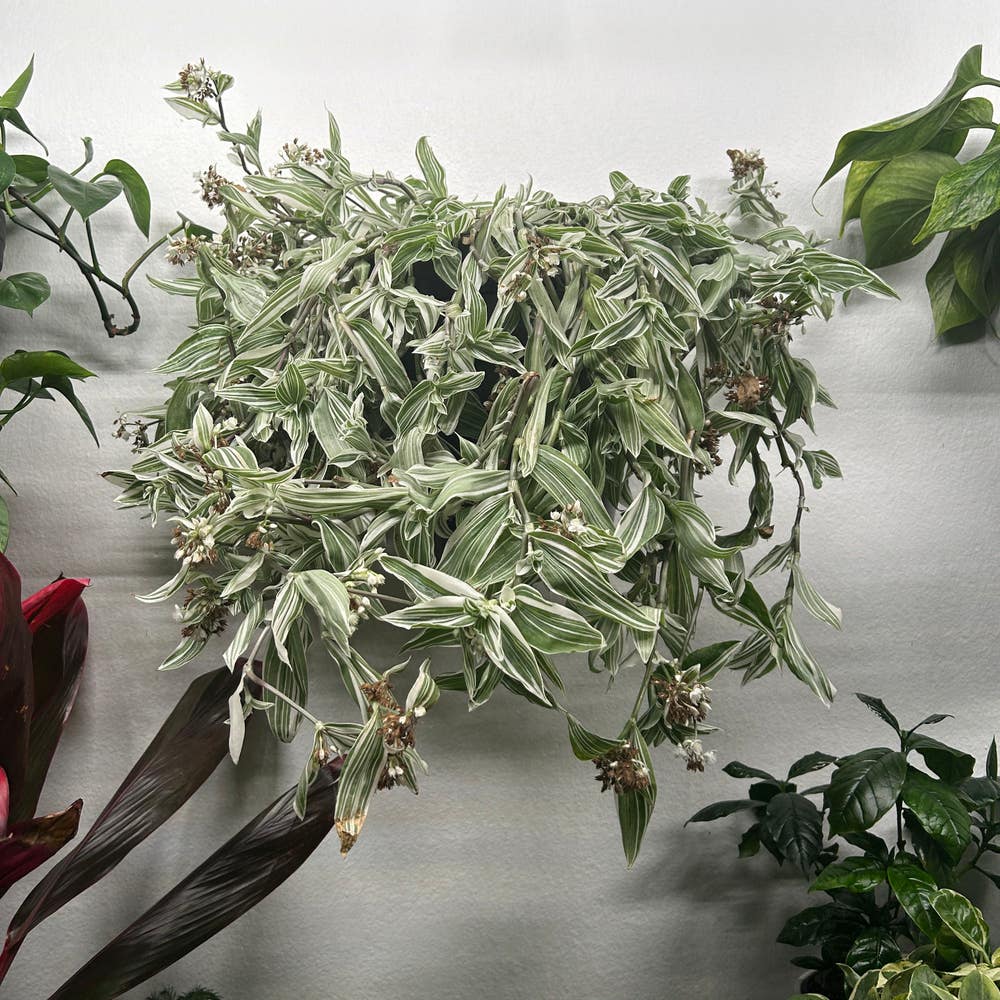
Tradescantia fluminensis 'Albovittata'
By the Greg Editorial Team
Jun 18, 2024•4 min read
This article was created with the help of AI so we can cover more plants for you. May contain errors. See one? Report it here.
- Mushy roots and foul odor signal root rot in Tradescantia albiflora 'Albovittata'.
- Trim and repot to treat root rot, ensuring soil has good drainage.
- Regular inspections and clean pots help prevent future root rot.
Spotting the Trouble: Signs of Root Rot
🍄 Mushy Roots and What They Mean
When roots turn to mush, it's a silent alarm for root rot. Healthy roots are firm and white, not squishy and brown. If they resemble overcooked noodles, you're in trouble.
💛 Yellow Leaves and Wilting: More Than Just Thirst
Wilting and yellowing leaves are not just a sign of under-watering. They're a distress signal from your Tradescantia albiflora 'Albovittata' that something's amiss underground.
👃 The Stench of Decay: When Your Plant Cries for Help
A foul odor from the soil is the stench of defeat. It's the unmistakable cry for help from a plant suffering from root rot. If your plant's pot smells like a swamp, it's time for a rescue mission.

Getting Your Hands Dirty: Diagnosing Root Rot
🧤 Unpotting with Care: A Step-by-Step Guide
First things first, gloves on. Your Tradescantia albiflora 'Albovittata' needs a gentle eviction from its pot. Tilt the pot sideways, support the plant's base, and coax it out. No yanking, please.
🩺 Healthy vs. Rotten: Knowing What to Look For
Now, let's play plant doctor. Healthy roots are firm and white, while rotten ones are the mushy brown villains in this story. Sniff test? If it smells like a swamp, that's bad news.
🕵️ When It's Not Root Rot: Ruling Out Other Culprits
Not all root drama is rot. If the roots are firm but you're still seeing issues, consider pests or viruses. And remember, overwatering is often the real culprit behind that rot.

The Rescue Mission: Treating Root Rot
✂️ Snip the Bad, Keep the Good: Trimming Rotten Roots
Root rot turns roots into mushy casualties. Sterilized scissors or shears are your tools for this precision operation. Snip away the damaged parts ruthlessly, leaving only the healthy roots to thrive. It's a delicate balance between being thorough and preserving as much of the root system as possible.
🌱 Fresh Start: Repotting in Healthy Soil
Once the bad roots are history, it's time for a fresh beginning. Choose a pot with ample drainage holes and fill it with a well-draining soil mix. Think of it as a new, airy home for your plant's roots. This step is non-negotiable for a future free from waterlogging.
💧 Watering Woes: Adjusting Your Routine
Post-surgery, your watering routine needs a makeover. Water only when the top inch of soil feels dry. Use your finger as a moisture gauge—it's the most honest tool you've got. Remember, overwatering is the nemesis you've just fought; don't invite it back for a rematch.

Fortifying the Fortress: Preventing Future Root Rot
💧 Watering Wisdom: Finding the Sweet Spot
Consistency is key in watering your Tradescantia albiflora 'Albovittata'. Overwatering is a surefire path to root rot, so it's crucial to find that perfect balance. During the growing season, water only when the top inch of soil is dry to the touch. In winter, reduce the frequency, as your plant's water needs decrease significantly.
🚰 Drainage and Airflow: Setting Up for Success
A pot with drainage holes is non-negotiable. It's like having a safety net for your plant's roots, allowing excess water to escape. For an extra layer of protection, add a gritty mix to your soil—perlite, sand, and potting soil—to ensure rapid water passage. Think of it as creating a mini desert ecosystem, where water comes and goes without lingering.
👀 Vigilance and Care: Regular Check-ups and Clean Pots
Make it a habit to conduct weekly inspections of your plant. Look for signs of distress or overwatering and adjust your care routine accordingly. Keep the pot clean to prevent the buildup of harmful pathogens. Remember, a clean home is a happy home, even for plants. And don't forget to repot every couple of years to refresh the soil and give those roots room to breathe.
⚠️ Safety First
This content is for general information and may contain errors, omissions, or outdated details. It is not medical, veterinary advice, or an endorsement of therapeutic claims.
Always consult a qualified healthcare professional before using any plant as food, medicine, or supplement.
Never eat any plant (or feed one to pets) without confirming its identity with at least two trusted sources.
If you suspect poisoning, call Poison Control (800) 222-1222, the Pet Poison Helpline (800) 213-6680, or your local emergency service immediately.
Spotted an error? Please report it here.
Keep your tradescantia albiflora 'albovittata' flourishing 🌿 with Greg's custom care plans, preventing root rot before it starts by ensuring perfect watering every time.