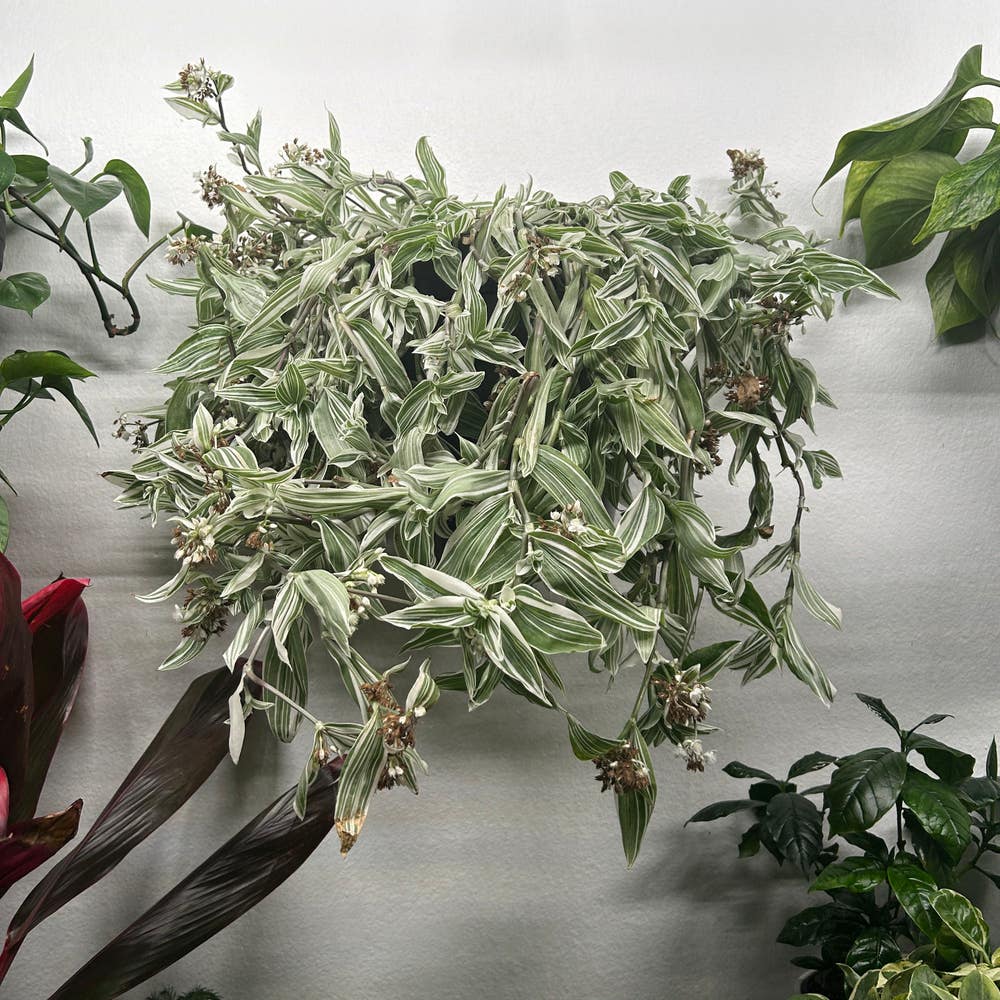
How Often To Water Tradescantia Albiflora 'Albovittata'
Tradescantia fluminensis 'Albovittata'
By the Greg Editorial Team
Jun 18, 2024•3 min read
This article was created with the help of AI so we can cover more plants for you. May contain errors. See one? Report it here.
- Wilting leaves? Time to water your 'Albovittata'.
- 🌱 Seasons change, so does watering - adapt to growth cycle and weather.
- 🌞 Morning watering reduces evaporation, promotes healthy 'Albovittata'.
When to Water Your 'Albovittata'
🚰 Spot the Thirsty Signs
Your Tradescantia albiflora 'Albovittata' won't slide into your DMs when it's parched, but wilting leaves and a dry topsoil are its way of crying out for a drink. Perform the soil dryness test—if the top inch feels like a neglected sandbox, it's time to water.
🌞 Seasonal Watering Shifts
Summer's heat demands more frequent watering, while your plant's thirst takes a dip in winter. Adjust watering to the plant's growth cycle; think of it as hydration on demand, not on a rigid schedule.

Perfecting Your Watering Technique
💧 The Right Amount
Watering your Tradescantia albiflora 'Albovittata' is less about strict schedules and more about understanding its needs. The right amount of water is crucial; too little and your plant thirsts, too much and it drowns. A simple rule of thumb: water until it starts to drain from the bottom, ensuring the roots are thoroughly quenched. This might mean a cup for small pots or a liter for larger ones. Always check the top inch of soil for dryness before your plant gets another drink.
🌅 The Best Time of Day
Timing is everything. The best time to water? Morning. It sets your plant up for the day ahead, reducing evaporation losses and giving it time to absorb the water before nightfall. Evening watering is a runner-up, but can invite fungal guests to a party you didn't intend to host. And remember, room temperature water is like a friendly handshake to the roots—too hot or cold, and you're sending the wrong message.

Keeping the Balance: Avoiding Over and Underwatering
💧 Recognizing the Symptoms
Overwatering can turn your Tradescantia albiflora 'Albovittata' into a soggy mess. Look out for yellow leaves or a mushy stem – these are distress signals. On the flip side, underwatering leaves your plant high and dry, with brown, crispy leaves begging for a drink.
🚰 Quick Fixes for Water Woes
Caught your plant wilting? Don't just pour on the love. Adjust your watering based on the soil's mood. If it's wet, give it a break. If it's dry, quench its thirst. Remember, consistency is key, but so is flexibility. Your plant's not on a timer; it's living the highs and lows of your home's microclimate.

The Role of Environment in Watering Frequency
🌱 Pot and Soil Setup
Selecting the right pot and soil mix is crucial for your Tradescantia albiflora 'Albovittata'. Terracotta pots allow more air movement, leading to quicker soil drying, while plastic pots retain moisture longer. A fast-draining soil mix will necessitate more frequent watering, whereas a denser mix holds water longer, reducing the need to water as often.
🌡️ Adapting to Humidity and Temperature
Your Tradescantia's watering needs are at the mercy of your indoor climate. High humidity means the air is already doing some of the hydrating, so you can ease up on the watering can. Conversely, dry air will have your plant reaching for a drink more often. Temperature also plays a role; a warmer room accelerates evaporation, while a cooler one conserves moisture in the soil. Always be ready to adjust your watering frequency to align with the current conditions—your plant will thank you for it.
⚠️ Safety First
This content is for general information and may contain errors, omissions, or outdated details. It is not medical, veterinary advice, or an endorsement of therapeutic claims.
Always consult a qualified healthcare professional before using any plant as food, medicine, or supplement.
Never eat any plant (or feed one to pets) without confirming its identity with at least two trusted sources.
If you suspect poisoning, call Poison Control (800) 222-1222, the Pet Poison Helpline (800) 213-6680, or your local emergency service immediately.
Spotted an error? Please report it here.
Keep your Tradescantia albiflora 'Albovittata' perfectly hydrated 💧 with Greg's custom reminders that adapt to your home's unique conditions, ensuring your plant never misses its ideal watering moment.