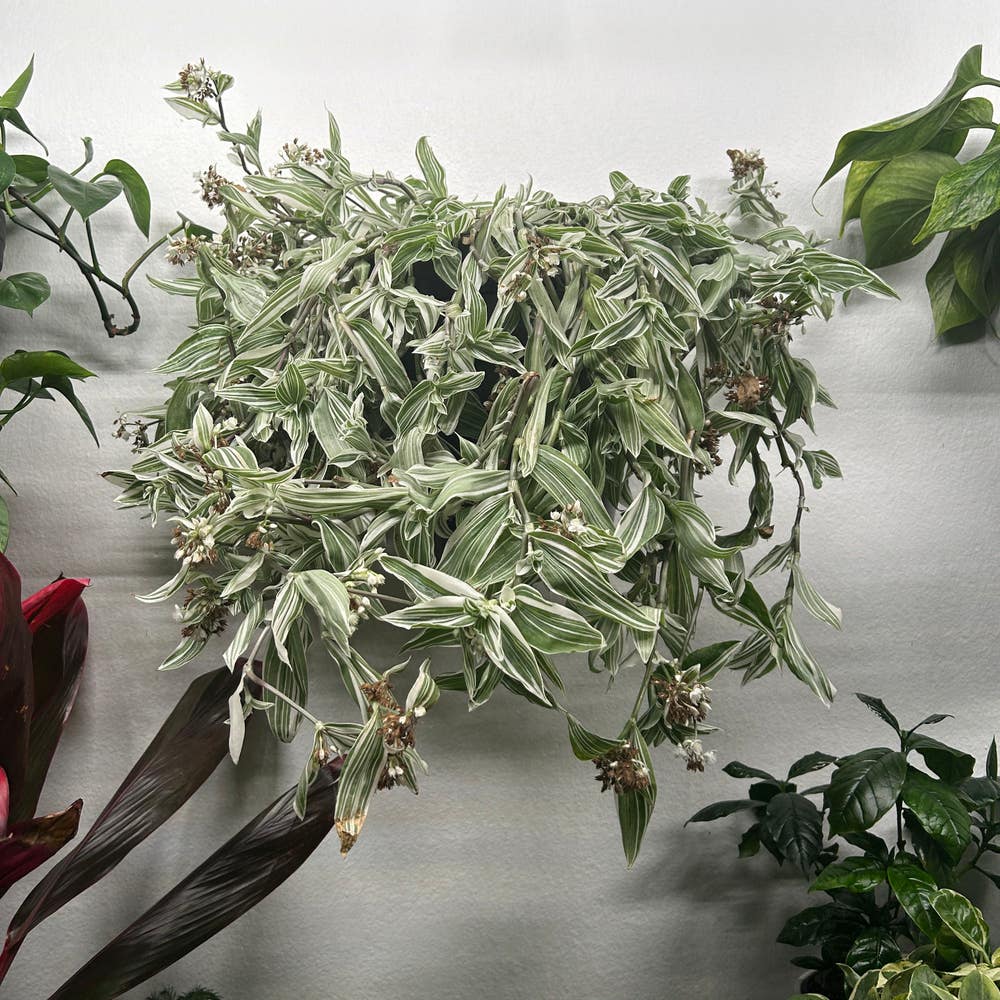
Black Spots On Tradescantia Albiflora 'Albovittata' Leaves
Tradescantia fluminensis 'Albovittata'
By the Greg Editorial Team
Jun 18, 2024•3 min read
This article was created with the help of AI so we can cover more plants for you. May contain errors. See one? Report it here.
- Black spots signal issues like overwatering, fungi, pests, or too much sun.
- 🌱 Proper watering and airflow are key to preventing black spots.
- Regular plant check-ups help maintain spot-free Tradescantia leaves.
Spotting Trouble: Recognizing Black Spots
🕵️ Symptoms of Black Spots
Black spots on Tradescantia albiflora 'Albovittata' leaves are warning signs. These spots often start as tiny, dark specks and can expand into larger blotches. Location matters; check both sides of the leaves, as the undersides can be the initial battleground.
🧪 Diagnosing the Underlying Issues
Differentiating between causes is key. Fungal issues often present with concentric rings or a yellow halo around the black spots. If the spots are accompanied by webbing, you might be dealing with pests. Overwatering can lead to soft, dark areas, while dry, crispy spots may indicate too much direct sunlight or heat exposure.

The Usual Suspects: Causes of Black Spots
🌧️ Too Much Love: Overwatering Woes
Overwatering is the silent killer of Tradescantia albiflora 'Albovittata'. It's a common mistake, but one that invites a host of problems. Soggy soil is a haven for root rot and fungal growth, leading directly to those dreaded black spots. Check the soil's moisture before watering; if it's damp, hold off on the H2O.
🐜 Uninvited Guests: Fungal and Pest Problems
Fungi like Cercospora and Anthracnose are notorious for painting black spots on your plant's canvas. They thrive in wet conditions, so overwatering is practically a welcome mat for these pests. Insects, too, can cause havoc. Aphids and spider mites suck the life out of leaves, leaving black spots as their calling cards. Regular plant check-ups are crucial to catch these critters early.

Turning the Tide: Effective Treatments
💧 Drying Out: Watering Wisdom
Watering your Tradescantia albiflora 'Albovittata' is like walking a tightrope—too much or too little, and you're in for a show. To avoid the dreaded black spots, water only when the top inch of soil is dry. Precision is key; aim at the soil, not the foliage, to keep those leaves as dry as a comedian's wit.
🍄 Fungus Among Us: Getting Rid of Unwanted Fungi
When fungi decide to crash your plant's party, it's time to break out the big guns—fungicides. Whether you go for a chemical fungicide or an organic option like a baking soda mix, consistency is your new best friend. Rotate your fungicidal allies to avoid resistance, and always follow the label like it's the secret to eternal youth.
🐜 Bug Off: Keeping Pests in Check
Pests are like that one relative who shows up uninvited and eats all your snacks. To keep these freeloaders at bay, integrate pest management with a mix of vigilance and action. Blast them with a hose or introduce natural predators. If things get dicey, insecticides are your last resort. Remember, the best pest control is catching the critters before they think they've hit the jackpot.

Staying Spot-Free: Prevention Tactics
🚰 The Right Home: Ensuring Proper Drainage
Terra cotta or bust. These pots are the MVPs of moisture management, letting soil breathe and dry out like a dream. Drainage holes? Non-negotiable. They're your plant's lifeline, whisking away excess water like a well-oiled escape hatch.
💨 Breathe Easy: Promoting Good Airflow
Think of airflow like your plant's personal space—necessary and refreshing. Cramped corners are a no-go. A gentle fan can work wonders, giving your Tradescantia that outdoor vibe without the sunburn. Just dodge those drafts; plants catch chills too.
👩⚕️ Vigilant Care: Routine Checks and Balances
Make plant check-ups as routine as brushing your teeth. Spot a discoloration? Act fast. Regular grooming—snipping dead leaves—keeps your plant looking sharp and feeling fine. Remember, prevention is the real plant whisperer's mantra.
⚠️ Safety First
This content is for general information and may contain errors, omissions, or outdated details. It is not medical, veterinary advice, or an endorsement of therapeutic claims.
Always consult a qualified healthcare professional before using any plant as food, medicine, or supplement.
Never eat any plant (or feed one to pets) without confirming its identity with at least two trusted sources.
If you suspect poisoning, call Poison Control (800) 222-1222, the Pet Poison Helpline (800) 213-6680, or your local emergency service immediately.
Spotted an error? Please report it here.