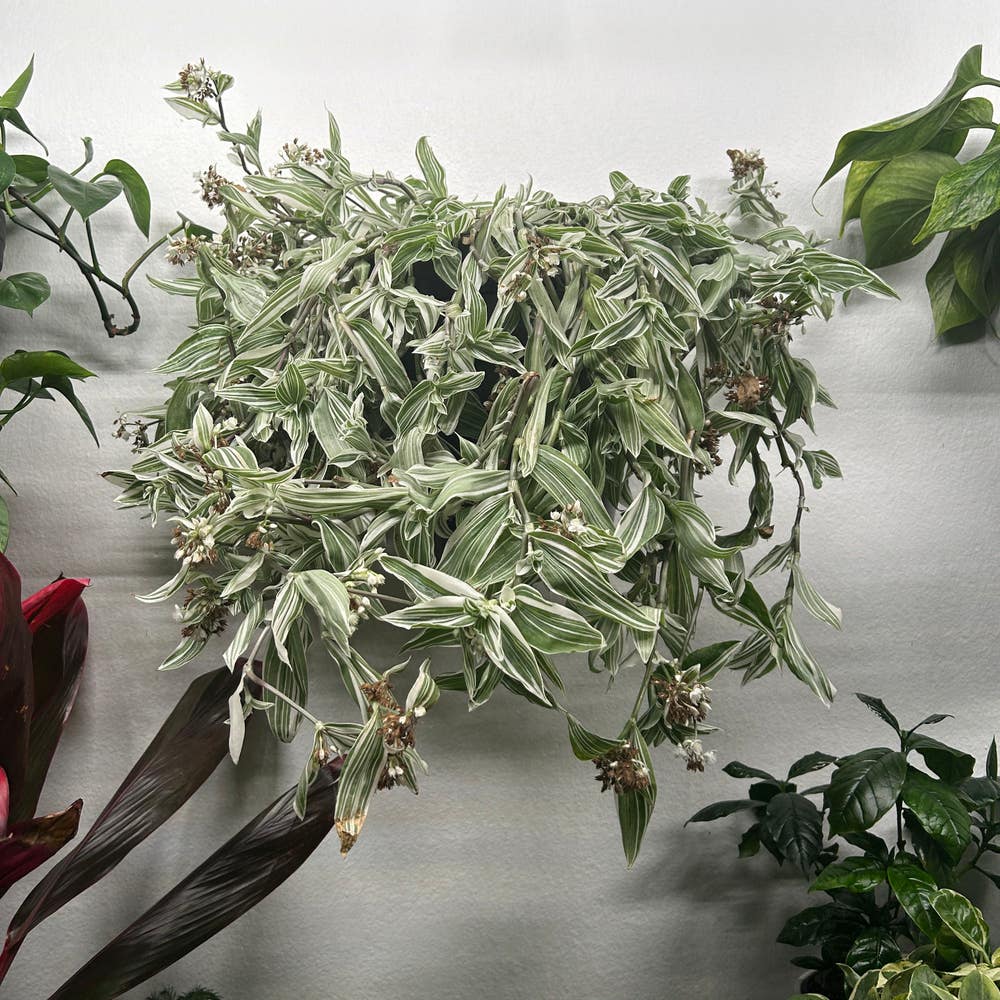
How to Propagate Your Tradescantia albiflora 'Albovittata'
Tradescantia fluminensis 'Albovittata'
By the Greg Editorial Team
Jun 18, 2024•4 min read
This article was created with the help of AI so we can cover more plants for you. May contain errors. See one? Report it here.
- Spring/summer best for cuttings, make angled cuts below a node.
- 🌱 Water propagation: use clear container, change water regularly, bright light.
- Soil propagation: moist, well-draining mix, indirect sunlight, start feeding with growth.
Snip and Start: Preparing Your Cuttings
🌱 Choosing Your Champion Stem
Healthy stems are your golden ticket to propagation success. Look for stems that are vibrant, firm, and free from pests or disease. Timing is also key; spring or early summer offers the best growth potential for your cuttings.
✂️ Making the Cut
Grab your sterilized shears or a sharp knife. Make a clean, angled cut just below a node, about 4-6 inches from the tip. Remove lower leaves to prevent rot and consider using rooting hormone to kickstart root growth. Now, your cuttings are prepped and primed for the next step: rooting.

Rooting for Success: Water Propagation
💧 Setting Up for a Swim
To kick off water propagation, select a clear container like a glass jar to monitor root progress. Use lukewarm, filtered water to avoid shocking your cuttings, and let tap water sit for 24 hours to dechlorinate.
Ensure the cutting's nodes are submerged, as roots will sprout from these points. Keep the foliage dry to prevent rot.
🌿 Caring for Your Aquatic Babies
Change the water every few days to prevent bacteria and algae build-up, or use activated charcoal as a low-maintenance alternative.
Position your cuttings in bright, indirect light to encourage photosynthesis without overheating the water.
Watch for white, firm roots to develop—a sign your cuttings are ready for soil. Avoid rushing this stage; patience is key to a robust root system.

Getting Down and Dirty: Soil Propagation
💧 Planting Your Cuttings
The ideal soil mix for Tradescantia albiflora 'Albovittata' strikes a balance between moisture retention and drainage. Aim for a concoction that's light and chunky; a blend of peat, perlite, and a dash of sand can work wonders. Remember, waterlogged roots are a no-go.
Plant your cuttings at a depth where the bottom node is just beneath the surface. Space them out enough so each has its own personal bubble—crowding can lead to a mosh pit of disease and poor growth.
🌞 Creating the Perfect Environment
Light is like the plant's personal trainer—it's all about bright, indirect sunlight to pump up those growth gains. Too much direct exposure, though, and you'll have a sunburnt mess on your hands.
Keep the soil consistently moist, not drenched. Think of it as a sponge—damp to the touch but not dripping. Warmth is the secret sauce to speed things up, but don't turn your propagation station into a sauna.
🍽️ Feeding time starts when you see new growth. A diluted, balanced liquid fertilizer is your best bet. It's like a gentle nudge rather than a shove for your young plants to get growing.

Troubleshooting Propagation Pitfalls
🦠 Common Setbacks and Solutions
Rotting Stems or Leaves
When your Tradescantia cuttings start resembling a zombie apocalypse, rot is likely the villain. This is often a sign of too much moisture or poor drainage. Combat this by ensuring your soil is the equivalent of a well-aerated lung—breathable and draining. If rot has set in, it's time to play surgeon: snip the affected parts and repot in fresh, sterile soil.
Slow Rooting Cuttings
If your cuttings are taking their sweet time, consider a rooting hormone. It's like a motivational speaker for roots, giving them a much-needed pep talk. Ensure your lighting is more supportive best friend than distant acquaintance—bright but not scorching.
🌱 Transitioning to Permanent Pots
Knowing When to Move
Your cuttings will tell you when they're ready to ditch the water wings and swim solo. Look for a root system that's more developed than a teenager's social life. Typically, roots should be a few inches long before considering a move.
Transplant Without Shock
Moving to a permanent pot is like a plant's first day at a new school—stressful. To minimize shock, keep some of the old soil clinging to the roots, like a comforting childhood blanket. Transplant gently, as if handling a sleeping baby, and place in a pot that's cozy, not cavernous. Ensure the new soil is as welcoming as a grandma's hug—moist and nurturing.
Remember, patience is the unsung hero of propagation. Your Tradescantia is not on a sprint; it's on a marathon.
⚠️ Safety First
This content is for general information and may contain errors, omissions, or outdated details. It is not medical, veterinary advice, or an endorsement of therapeutic claims.
Always consult a qualified healthcare professional before using any plant as food, medicine, or supplement.
Never eat any plant (or feed one to pets) without confirming its identity with at least two trusted sources.
If you suspect poisoning, call Poison Control (800) 222-1222, the Pet Poison Helpline (800) 213-6680, or your local emergency service immediately.
Spotted an error? Please report it here.
Ensure your Tradescantia cuttings thrive 🌿 with Greg's tailored reminders for water changes, lighting conditions, and when to transplant, making propagation a breeze!