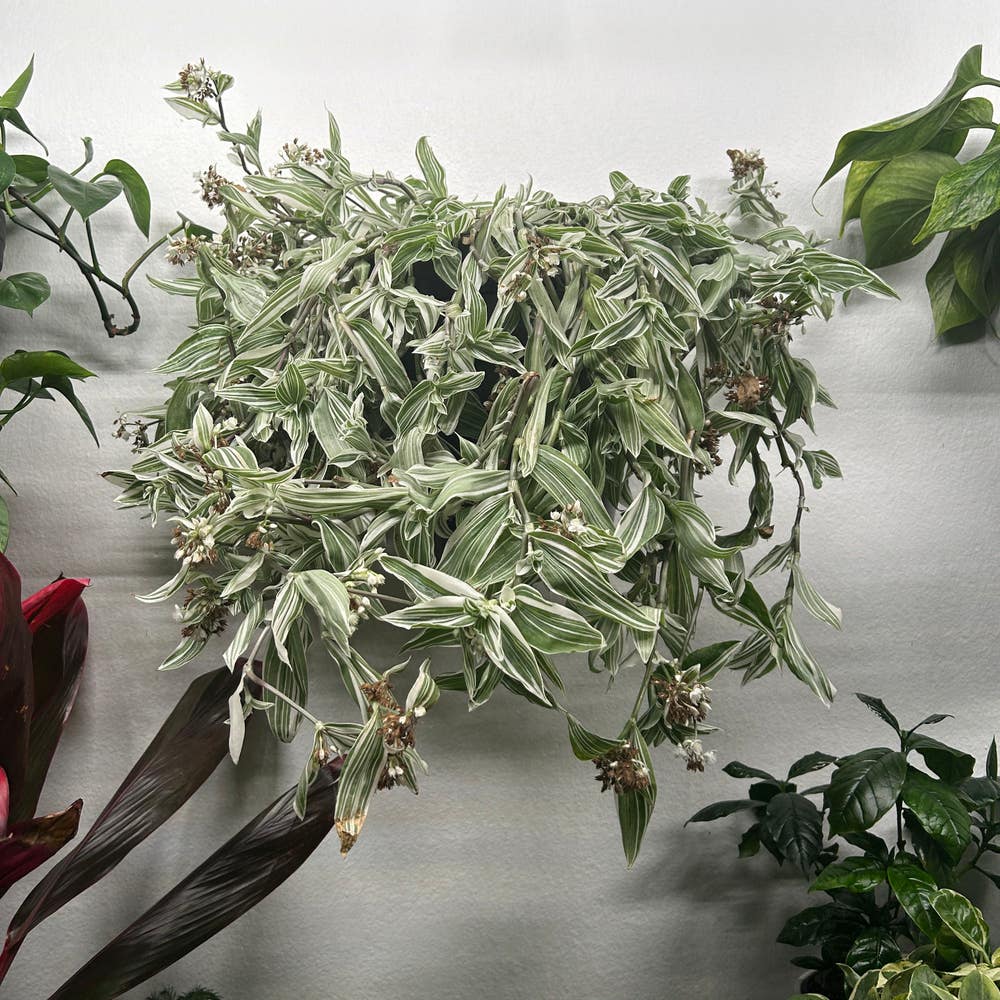
Variegated Inch Plant Is a Perennial
Tradescantia fluminensis 'Albovittata'
By the Greg Editorial Team
Sep 30, 2024•6 min read
This article was created with the help of AI so we can cover more plants for you. May contain errors. See one? Report it here.
- 🌱 Variegated Inch Plant thrives for years, making it a low-maintenance perennial choice.
- 🌞 Bright, indirect sunlight and humidity are key for vibrant growth and blooming.
- 🌿 Strong roots enhance drought resistance, ensuring a healthy garden ecosystem year-round.
Characteristics of Variegated Inch Plant as a Perennial
Key Characteristics 🌿
The Variegated Inch Plant, scientifically known as Tradescantia zebrina, is a stunning perennial that brings life to any space. Its multi-year lifecycle allows it to thrive across seasons, making it a reliable choice for gardeners.
This plant showcases remarkable resilience, regrowing from established roots even after periods of dormancy. Its distinctive variegated leaves, featuring striking green and white or purple patterns, add a vibrant touch to your garden or indoor space.
The combination of these characteristics not only enhances its aesthetic appeal but also contributes to its hardiness. As a perennial, it offers a long-term investment for gardeners looking to create a lush environment with minimal effort.
In summary, the Variegated Inch Plant stands out for its durability and beauty, making it a favorite among plant enthusiasts. Its ability to flourish year after year sets it apart in the world of gardening, paving the way for a thriving green space.
With these key traits in mind, let’s explore how its perennial nature impacts growth and flowering.
Impact of Perennial Nature on Growth and Flowering
🌸 Effects on Flowering
The flowering cycles of the Variegated Inch Plant, or Tradescantia zebrina, are fascinating. These plants typically bloom several times a year, but the frequency and timing can vary based on environmental factors like light and temperature.
When conditions are just right—think ample sunlight and moderate humidity—you'll see a burst of blooms. Conversely, if the environment is too harsh, flowering may be sparse or delayed.
🌱 Lifespan and Health
The health of your Variegated Inch Plant hinges on several key factors. Soil quality, light conditions, and humidity play significant roles in its vitality.
Perennial characteristics are crucial for maintaining health over time. A well-cared-for plant can thrive for years, showcasing its resilience and beauty season after season.
Understanding these elements can help you cultivate a thriving plant that not only survives but flourishes.
As we explore dormancy and seasonal changes next, you'll see how these factors further influence the life cycle of your Variegated Inch Plant.
Dormancy and Seasonal Changes
Dormancy Periods 🌙
Identifying dormancy in the Variegated Inch Plant is crucial for its care. Look for signs like wilting leaves or slowed growth, indicating it's entering a rest phase.
Typically, dormancy occurs during the colder months, lasting several weeks to a few months. Understanding this cycle helps you anticipate its needs and adjust care accordingly.
Seasonal Changes 🌼
The Variegated Inch Plant thrives in warmer months, showcasing vibrant growth and lush foliage. During this active period, it may produce small flowers, adding to its charm.
As temperatures drop, growth slows significantly, and the plant may enter dormancy again. Recognizing these seasonal patterns allows you to provide optimal care throughout the year, ensuring your plant remains healthy and vibrant.
With this knowledge, you're better equipped to nurture your Variegated Inch Plant through its seasonal cycles. Next, let's explore the advantages of its perennial nature for gardeners.
Advantages for Gardeners
Benefits of Perennial Nature 🌱
The variegated inch plant, or Tradescantia zebrina, is a fantastic long-term investment for any gardener. Its perennial nature means you won't have to replant every year, saving both time and money.
Perennials like this one are generally more cost-effective than annuals. Once established, they require less labor, allowing you to enjoy your garden without constant upkeep.
Established Root Systems 🌳
One of the standout features of the variegated inch plant is its strong root system. This resilience translates into improved drought resistance, making it a reliable choice even in less-than-ideal conditions.
Additionally, these robust roots enhance nutrient uptake. As a result, your plant thrives, contributing to a vibrant and healthy garden ecosystem.
Incorporating the variegated inch plant into your garden not only simplifies maintenance but also enriches your outdoor space. Next, let's explore how to maximize these benefits in your garden planning.
Variations Across Climate Zones
🌍 Perennial Behavior in Different Climates
The Variegated Inch Plant, or Tradescantia zebrina, showcases impressive adaptability across various climate zones. In tropical regions, it thrives with abundant moisture and warmth, often exhibiting lush growth and vibrant colors.
Conversely, in temperate climates, it may experience slower growth rates. Here, the plant can still flourish, but it often requires more care to ensure it receives adequate warmth and humidity.
⏳ Longevity Influencing Factors
Several environmental factors play a crucial role in the longevity of the Variegated Inch Plant. Soil type is paramount; well-draining, nutrient-rich soil promotes healthier growth.
Moisture levels and light exposure also significantly impact its lifespan. Too much direct sunlight can scorch the leaves, while insufficient light may hinder growth, leading to a shorter life.
Extreme weather conditions can pose challenges as well. Droughts or heavy rains can stress the plant, affecting its overall health and longevity.
By understanding these variations, gardeners can better tailor their care strategies to maximize the plant's potential in their specific climate. This knowledge not only enhances growth but also enriches the gardening experience.
As we explore tips for long-term cultivation, consider how these climate factors can influence your gardening approach.
Maximizing Benefits in Garden Planning
Tips for Long-Term Cultivation 🌱
To ensure your Variegated Inch Plant thrives, start with proper soil preparation. A well-draining potting mix enriched with organic matter will set the stage for healthy growth.
Establish a consistent watering schedule, allowing the top inch of soil to dry out between waterings. This balance prevents root rot while keeping the plant hydrated.
Fertilization is key to vibrant foliage. Use a balanced, water-soluble fertilizer every four to six weeks during the growing season to support lush growth.
Monitoring growth patterns is essential. Keep an eye on leaf color and overall vigor to catch any potential issues early.
Incorporating Variegated Inch Plant in Garden Design 🌼
When designing your garden, consider the placement of your Variegated Inch Plant for optimal light and humidity. These plants thrive in bright, indirect sunlight, so a spot near a window or under a canopy of taller plants works well.
Companion planting can enhance both growth and aesthetics. Pair your Inch Plant with other tropical varieties that enjoy similar conditions, creating a lush, vibrant display.
Incorporating these strategies will not only maximize the benefits of your Variegated Inch Plant but also elevate your garden's overall appeal. With thoughtful planning, you can create a thriving, beautiful space that showcases this perennial gem.
⚠️ Safety First
This content is for general information and may contain errors, omissions, or outdated details. It is not medical, veterinary advice, or an endorsement of therapeutic claims.
Always consult a qualified healthcare professional before using any plant as food, medicine, or supplement.
Never eat any plant (or feed one to pets) without confirming its identity with at least two trusted sources.
If you suspect poisoning, call Poison Control (800) 222-1222, the Pet Poison Helpline (800) 213-6680, or your local emergency service immediately.
Spotted an error? Please report it here.
Nurture your Variegated Inch Plant to thrive for years 🌿 with Greg's tailored watering reminders and expert care tips that ensure your plant flourishes beautifully!