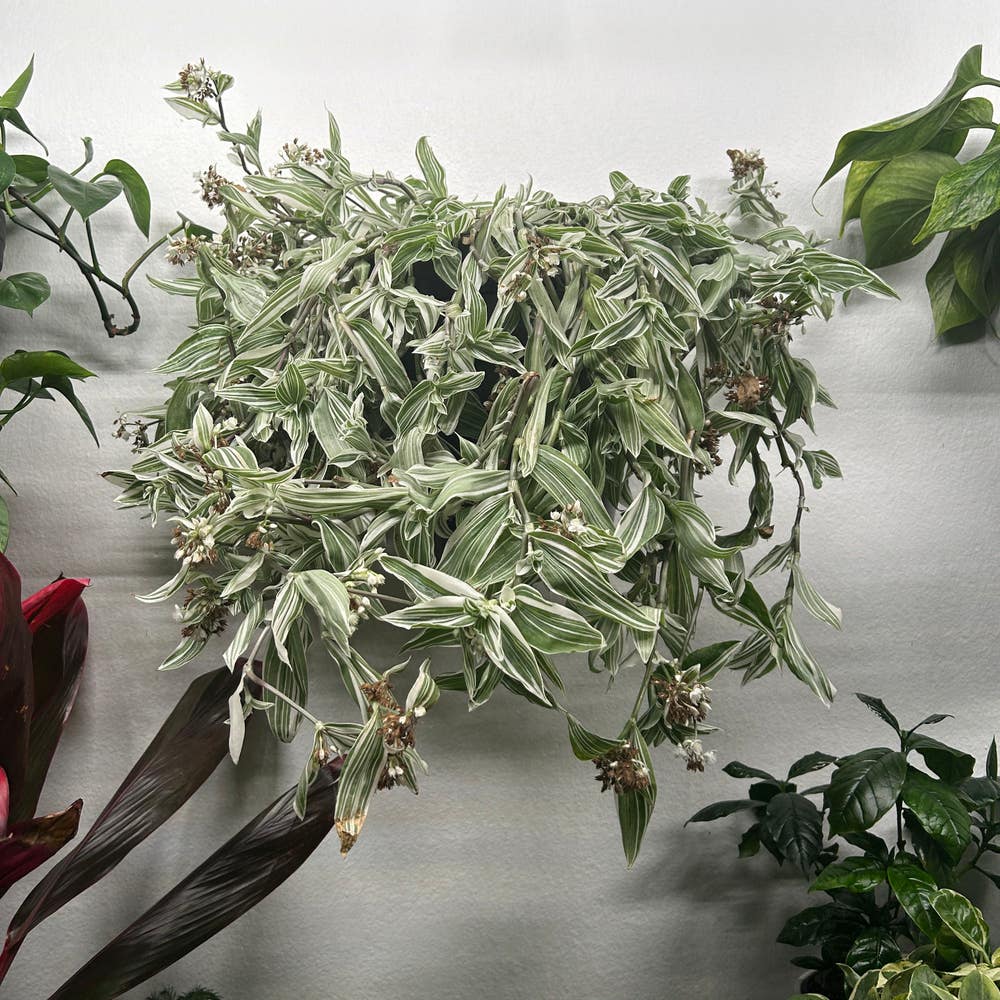
How to Prune Tradescantia albiflora 'Albovittata'
Tradescantia fluminensis 'Albovittata'
By the Greg Editorial Team
Jun 18, 2024•4 min read
This article was created with the help of AI so we can cover more plants for you. May contain errors. See one? Report it here.
- Prune in spring for bushier growth and vibrant variegation.
- Use precision pruners for delicate leaves, cut above leaf nodes.
- Propagate cuttings for a fuller display or to share with friends.
Snip to Shape: Pruning for Aesthetics
🌱 Why Prune Your Tradescantia
Bushier growth is a big win for your Tradescantia albiflora 'Albovittata'. A quick snip above a leaf node and voilà, you're on your way to a denser plant. Variegation losing its luster? Pruning can help with that, too. It's like a reset button for vibrant colors. And let's not forget the legginess—unless you're going for a plant that looks like it's trying to escape the pot, regular trims are your friend.
🌷 When to Wield the Shears
Spring into action with your shears during, well, spring. It's the plant's growth prime-time, so your Tradescantia will bounce back like a champ. Spot stems that are stretching out a bit too much? That's your cue. But remember, it's not a race—pace your pruning. If you've just repotted, give your green buddy a chance to settle in before you go Edward Scissorhands on it. And if it's looking a bit peaky during the off-season, a little trim can be a pick-me-up. Just keep it light, like your plant's diet after the holidays.

The Right Cut: Pruning Techniques
✂️ Choosing Your Tools
Selecting the right shears is crucial for the delicate variegated leaves of Tradescantia albiflora 'Albovittata'. Precision pruners or micro snips are your go-to for clean cuts. Always ensure they're sharp and sterilize them with rubbing alcohol to avoid spreading any pathogens.
🌱 Making the Cut
When pruning, look for overgrown stems or areas where the plant has become leggy. Make your cuts just above a leaf node to encourage bushier growth. Use a confident snip to remove unwanted lengths and shape your plant. Remember, each cut is a strategic move towards a more vibrant plant.

After the Snip: Post-Pruning Care
🌱 Immediate Aftercare
Right after pruning your Tradescantia albiflora 'Albovittata', jump into action. This isn't the time to water it like it's in a desert; moderation is key. Check the soil's moisture—think damp, not soggy. Hold off on fertilizing; let the plant focus on healing, not growing. Remove any fallen leaves or debris to prevent any fungal fashion shows at the expense of your plant.
🌿 Long-Term Plant Health
Now, for the marathon, not the sprint. Adjust your care routine based on your plant's performance post-pruning. If it's looking more down than a flat tire, ease up on the water. If it's thriving, you're on the right track. Keep the plant in stable temperatures and bright, indirect light—no tanning beds for this green beauty. Watch for new growth like a hawk; it's the green light that your Tradescantia is back in the game.

From Trimmings to Treasures: Utilizing Cuttings
🌱 Rooting Pruned Cuttings
Snip a 4-6 inch section from a healthy Tradescantia stem, ensuring two nodes are present. Strip the lower leaves to expose a node; this is your future root site. Dip the cut end in rooting hormone for a boost, though it's not a deal-breaker if you skip it. Stick the cutting in a well-draining soil mix, and water it in. Keep the soil moist but not soggy, and place the pot in bright, indirect light. Patience is key—roots may take a few weeks to show.
🌿 Integrating New Growth
Once roots are an inch or two long, it's time to pot up. Choose a container with drainage holes to prevent waterlogged roots. Mix in some fresh soil and introduce your new Tradescantia to its home. Gradually acclimate it to your typical care routine, but keep an eye out for growth spurts—new plants can be enthusiastic. As your propagated cuttings thrive, arrange them with the mother plant for a fuller display, or spread the love by gifting them to friends.
⚠️ Safety First
This content is for general information and may contain errors, omissions, or outdated details. It is not medical, veterinary advice, or an endorsement of therapeutic claims.
Always consult a qualified healthcare professional before using any plant as food, medicine, or supplement.
Never eat any plant (or feed one to pets) without confirming its identity with at least two trusted sources.
If you suspect poisoning, call Poison Control (800) 222-1222, the Pet Poison Helpline (800) 213-6680, or your local emergency service immediately.
Spotted an error? Please report it here.
Ensure your Tradescantia's vibrant comeback ✂️ post-pruning with Greg's custom care reminders and growth tracking for that bushier, brighter look!