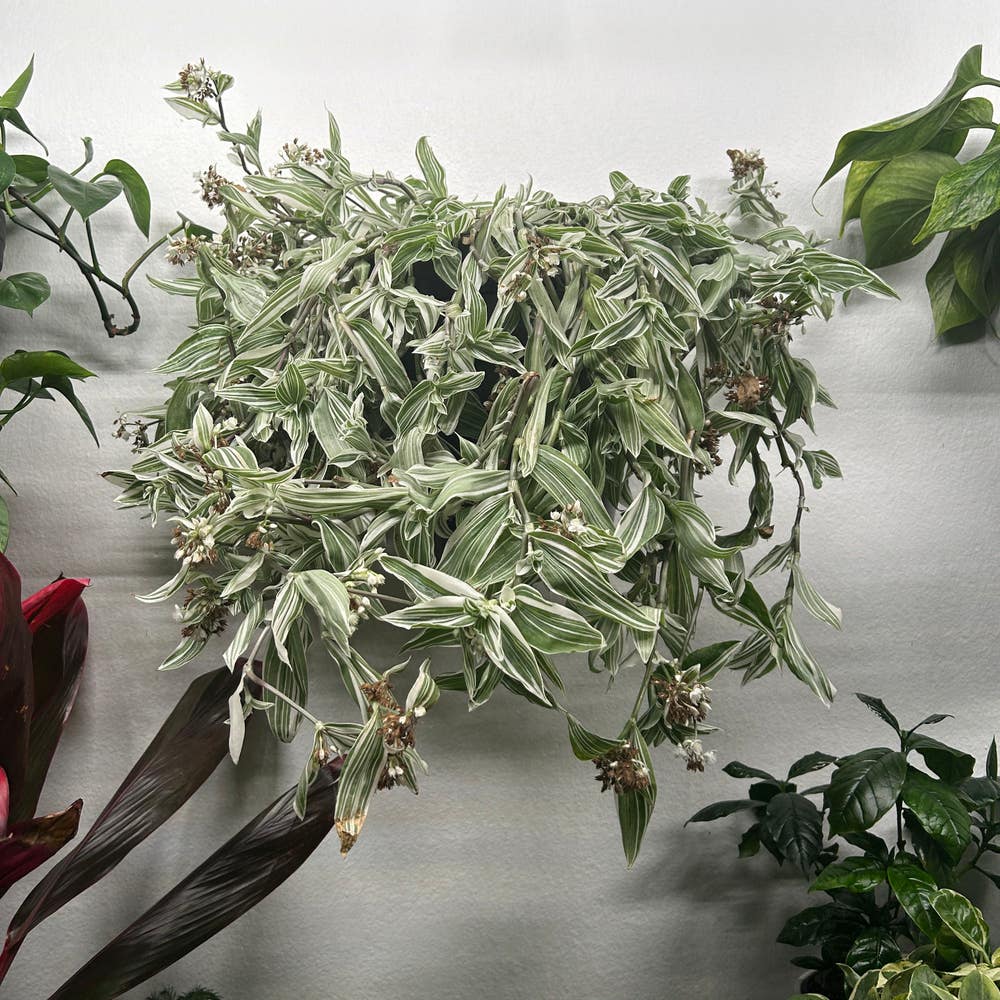
Should I Repot My Tradescantia albiflora 'Albovittata'?
Tradescantia fluminensis 'Albovittata'
By the Greg Editorial Team
Jun 18, 2024•4 min read
This article was created with the help of AI so we can cover more plants for you. May contain errors. See one? Report it here.
- Roots circling or at drainage holes? Time to repot.
- 🌱 Stunted growth or poor drainage signals need for new pot.
- Terracotta, plastic, or ceramic? Choose based on watering habits.
Spotting the Telltale Signs for Repotting
🌱 Root Tango: When Roots Out-Dance the Pot
Roots circling the surface or peeking out of drainage holes are screaming for space. If the pot looks more strained than a pair of skinny jeans, it's time for an upgrade.
💧 Thirsty Much? Water Drainage Woes
When water zips through the pot like it's on a slip 'n slide, it's a sign. Slow drainage or perpetually damp soil are your plant's way of crying out for help.
🌿 The Stunted Growth Blues
If your Tradescantia's growth has flatlined, it's not just being lazy. Stunted growth is a silent plea for a new, roomier residence.

The Great Pot Debate: Choosing What's Best for Your Tradescantia
🌱 Terracotta vs. Plastic: The Moisture Match-Up
Terracotta pots are breathability champions, letting soil dry out efficiently, which is a thumbs-up for preventing root rot. They're like the gym buffs of the pot world, heavy and sturdy, but they'll need more water top-ups. Plastic pots, the couch potatoes, keep moisture in, making them a lazy waterer's dream but a potential nightmare for the overzealous.
🏺 Ceramic Charm: When Style Meets Function
Ceramic pots are the runway models—stylish and functional, with a knack for keeping soil moist. They're the VIPs in the pot party but come with a price tag and heft that might make your wallet and shelf groan. Just make sure they've got drainage holes, or it's a no-go.
🚫 No-Go Pot Materials
Metal pots are like armored tanks—tough but prone to rust and moisture mishaps. Glass is the exhibitionist, all show but no practicality, a definite no for your Tradescantia's health. Stick to the tried and true, and your green buddy will thank you.

The Repotting Rendezvous: A Step-by-Step Dance
🌱 Pre-Repotting Prep Talk
Before diving into the repotting process, assemble your tools. You'll need a new pot with drainage holes, slightly larger than the current one. Opt for a pot that's about one to two inches wider in diameter to give your Tradescantia albiflora 'Albovittata' room to grow without drowning in excess soil. Secure the drainage with a coffee filter or mesh to prevent soil from escaping. Grab your fresh potting mix—aim for a well-draining concoction of peat moss, perlite, and vermiculite—and let's get to work.
🌿 Gentle Uprooting: The Art of Extraction
Now, for the delicate task of uprooting. Start by watering your plant a day before the move; this makes the root ball more cooperative. When it's time, tip the pot and coax the plant out with a combination of gravity and gentle persuasion. If the plant resists, use a knife or trowel to loosen the edges. Snip any roots peeking out of the drainage holes with sterile pruners. Handle the root ball as if it's a fragile heirloom, because, well, it is.
🏡 Home Sweet New Home: Potting and Soil Considerations
It's time to introduce your Tradescantia to its new abode. Place a layer of your pre-mixed soil at the bottom of the pot. Gently place your plant in the center, ensuring it sits at the same depth as in its previous container. Surround the roots with more mix, tapping the pot to settle the soil—think of it as tucking your plant in for a good night's sleep. Water thoroughly but don't flood the scene; you're aiming for a moist, welcoming environment, not a swamp.

After the Move: Ensuring a Smooth Transition
🏠 First Days in a New Pot: What to Watch For
Your Tradescantia albiflora 'Albovittata' has just been through the equivalent of moving house—adjustment time is crucial. Monitor for droopy leaves or a general demeanor of plant unhappiness; these are your cues to tweak care routines. Remember, no direct sunlight—think of it as the plant's spa period, with plenty of indirect light and a break from the harsh elements.
Long-Term Love: Ongoing Care Post-Repotting
Watering is like a new relationship—find the balance. Too much, and you're the clingy type; too little, and you're neglectful. Aim for moist soil, not a swamp. Light is another balancing act; your Tradescantia craves bright, indirect light but will throw a fit if left in the sun's harsh glare. Hold off on the fertilizer; give it a month before you start boosting growth. It's like giving your plant time to breathe after lugging boxes up five flights of stairs—it needs a minute.
⚠️ Safety First
This content is for general information and may contain errors, omissions, or outdated details. It is not medical, veterinary advice, or an endorsement of therapeutic claims.
Always consult a qualified healthcare professional before using any plant as food, medicine, or supplement.
Never eat any plant (or feed one to pets) without confirming its identity with at least two trusted sources.
If you suspect poisoning, call Poison Control (800) 222-1222, the Pet Poison Helpline (800) 213-6680, or your local emergency service immediately.
Spotted an error? Please report it here.
Repotting your Tradescantia is a breeze when Greg helps you balance 🔄 the watering and care during its crucial adjustment period.