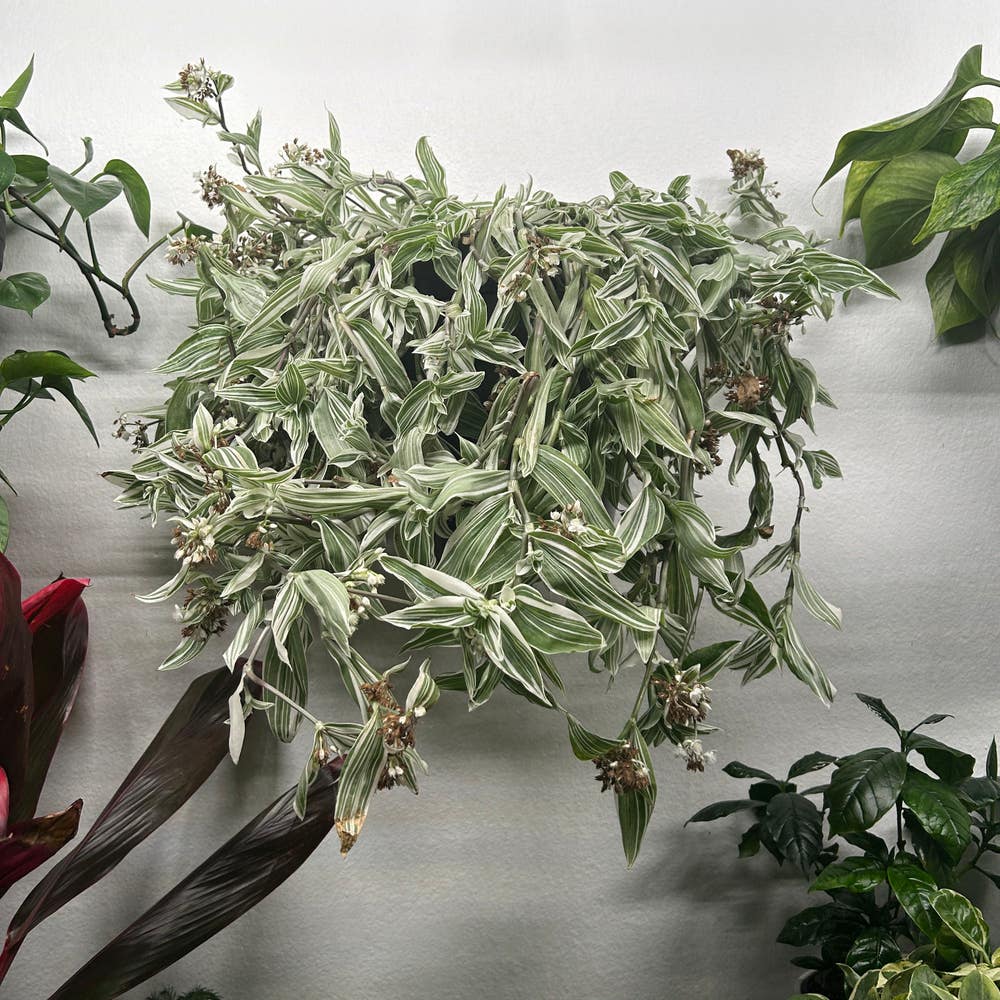
My Tradescantia albiflora 'Albovittata''s Light Requirements
Tradescantia fluminensis 'Albovittata'
By the Greg Editorial Team
Jun 18, 2024•4 min read
This article was created with the help of AI so we can cover more plants for you. May contain errors. See one? Report it here.
- 🌤️ Filtered sunlight outdoors, east-facing windows indoors are best for 'Albovittata'.
- 🌱 Rotate and adjust to prevent lopsided growth and maintain light levels.
- 💡 Use LED grow lights for 12 hours a day to supplement light, especially in winter.
Basking in the Right Rays: Outdoor Light Perfection
⛅️ Finding the Sweet Spot
Outdoor light can make or break your Tradescantia albiflora 'Albovittata'. Filtered sunlight is the gold standard. Scout for locations that offer morning sun and afternoon shade. Think beneath a tree or on an east-facing patio. The goal? A spot that's like a sun-kissed selfie, not a full-on solar panel.
⛅️ Times of Day for Outdoor Light
Your 'Albovittata' loves the morning glow but could do without the midday glare. Aim for exposure during the early hours when the sun is gentle. As the day progresses, ensure it's tucked away from the sun's harsher beams. It's all about timing—like catching your favorite food truck right before the lunch rush.
⛅️ Shielding from the Scorch
Direct sunlight is the nemesis of your 'Albovittata'. Use shade cloths or position near taller plants to serve as a natural parasol. This isn't just about avoiding leaf burn; it's about maintaining vibrant foliage that doesn't look like it's been through a desert trek.
⛅️ Using Shade to Your Advantage
Shade isn't just a cool respite; it's a strategic tool. Rotate your plant to ensure all sides receive equal light, avoiding the lopsided growth of a plant reaching desperately for the sun. Consider it a dance with the daylight, where every move counts towards the perfect growth rhythm.

Indoor Light: Making Your 'Albovittata' Thrive
🌅 Window Wisdom
East-facing windows are your Tradescantia albiflora 'Albovittata's best friend, offering that sweet spot of bright, indirect morning light. Avoid the low light sabotage of north-facing windows unless you're planning to supplement with artificial light.
💡 Artificial Assistance
When your 'Albovittata' starts to stretch or fade, it's begging for more light. Grow lights can be lifesavers during those dark winter months. Keep them on for about 12 hours a day, mimicking the natural light cycle. Remember, proximity is key; aim for a cozy 3 feet from the light source.

Let There Be Blooms: Light's Role in Flowering
💡 Triggering the Flower Power
Light is the conductor of the flowering symphony for your Tradescantia albiflora 'Albovittata'. To see those delicate blooms, you'll need to provide bright, indirect light. Direct sunlight is the villain in this story, potentially causing more harm than good.
💡 Seasonal Light Changes and Their Effects on Blooming
As the seasons shift, so does the light, and your 'Albovittata' pays attention. Spring and summer bring longer days and more intense light, which can signal your plant to start its blooming process. Keep an eye on the changing angle of the sun and adjust your plant's position to maintain the ideal light levels.

Grow Lights: The Indoor Sun for Your 'Albovittata'
💡 Choosing the Right Grow Light
Types of grow lights vary, but for the Tradescantia albiflora 'Albovittata', LEDs reign supreme. Full-spectrum LEDs mimic natural sunlight, catering to the plant's needs without sending your electric bill sky-high. They're cool to the touch, reducing the risk of leaf burn.
Determining the intensity and duration of artificial lighting is crucial. Aim for a color temperature around 6500K, which resembles daylight. The brightness should be enough to bathe your plant in light without casting harsh shadows. Use a timer to maintain a natural rhythm, mimicking the sun's daily arc.
🛠️ Setup and Care
Positioning grow lights requires finesse. Hang them above your 'Albovittata', but keep a safe distance to prevent heat stress—think of it as setting up a cozy campfire that warms without singeing. Adjust height as your plant grows, ensuring even light distribution.
Monitor your plant's response. New growth indicates a happy plant, while discoloration or wilting suggests adjustments are needed. It's a dialogue without words; your 'Albovittata' will show you how it feels about the light setup. Keep an eye out for changes and be ready to tweak your system for that perfect indoor sun.
Light Trouble? Let's Fix It!
💡 Common Light-Related Issues
Leggy growth or loss of color in your 'Albovittata' screams for more light. If the leaves are stretching out like they're reaching for a lifeline, it's time to intervene. Conversely, leaves that are sunburned or crispy are crying out from too much direct sunlight.
💡 Quick Fixes to Get Back on the Bright Track
Move your plant closer to a window for more light, but not so close that it's baking in the sun's unfiltered glory. Use sheer curtains to diffuse harsh rays. If your 'Albovittata' is still throwing a fit, consider a grow light to supplement those gloomy days.
💡 Preventative Measures
Regularly rotate your plant to give each side its fair share of light. This prevents the 'Albovittata' from getting lopsided like a badly done haircut. Monitor your plant's response to light changes like a hawk, and adjust accordingly. Remember, consistency is key, so keep that light schedule as regular as your morning coffee.
⚠️ Safety First
This content is for general information and may contain errors, omissions, or outdated details. It is not medical, veterinary advice, or an endorsement of therapeutic claims.
Always consult a qualified healthcare professional before using any plant as food, medicine, or supplement.
Never eat any plant (or feed one to pets) without confirming its identity with at least two trusted sources.
If you suspect poisoning, call Poison Control (800) 222-1222, the Pet Poison Helpline (800) 213-6680, or your local emergency service immediately.
Spotted an error? Please report it here.
Ensure your Tradescantia albiflora 'Albovittata' thrives 🌿 with Greg's PlantVision, which helps you find the ideal spot and schedule for that perfect filtered sunlight.