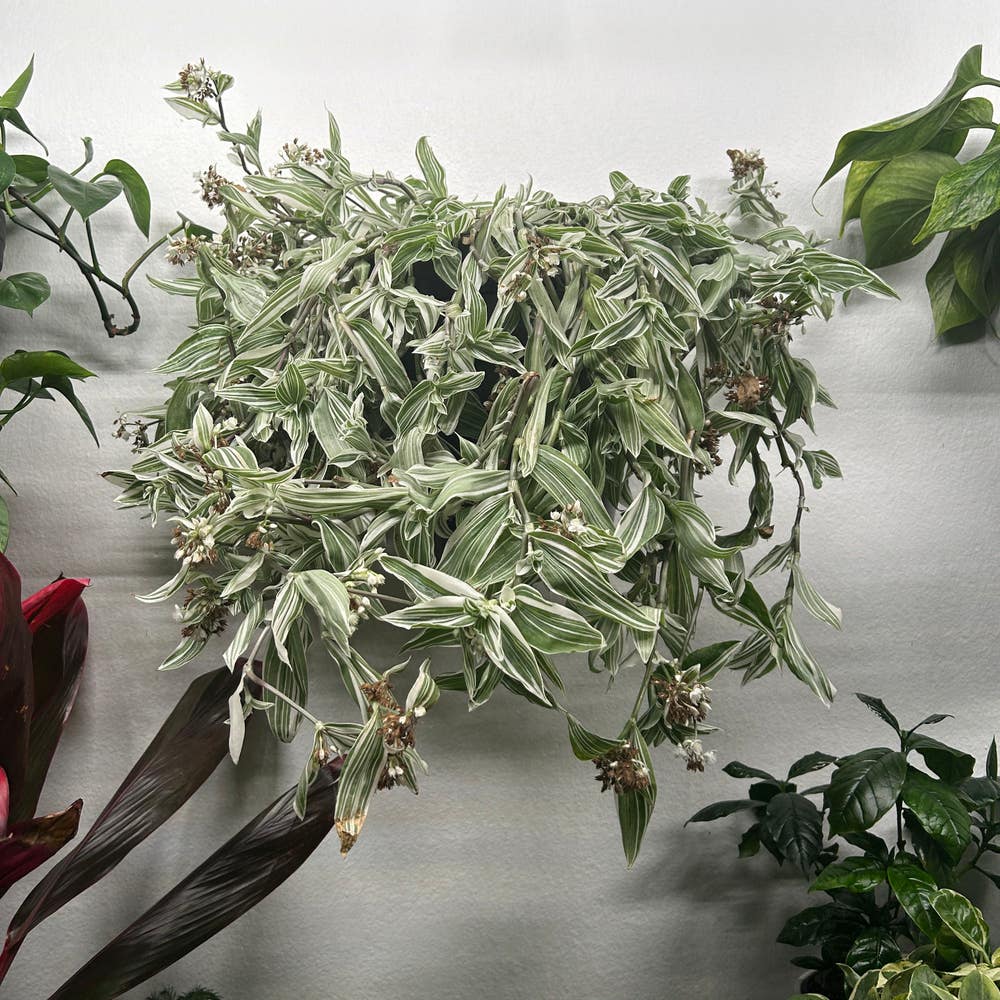
🍃 Variegated Inch Plant: Not an Annual
Tradescantia fluminensis 'Albovittata'
By the Greg Editorial Team
Sep 30, 2024•5 min read
This article was created with the help of AI so we can cover more plants for you. May contain errors. See one? Report it here.
- 🌱 Variegated Inch Plant is a perennial, thriving for years, unlike true annuals.
- 🎨 Its vibrant colors and unique patterns enhance garden aesthetics year-round.
- 🌿 Resilient and adaptable, it suits both novice and experienced gardeners alike.
Variegated Inch Plant Characteristics
🌱 Genetic and Physiological Traits
The Variegated Inch Plant, scientifically known as Tradescantia zebrina, is a stunning addition to any garden. Its leaves showcase unique patterns and vibrant colors, making it a visual delight.
This plant boasts an extensive and resilient root system, which allows it to regrow even after setbacks. This adaptability is one of its many charms.
📈 Long-Term Lifecycle and Growth Patterns
One of the most appealing aspects of the Variegated Inch Plant is its potential for continuous growth. With the right conditions, it can provide year-round foliage and even flowers.
During colder months, it may enter a dormant phase, but it springs back to life as temperatures rise. Under optimal conditions, this plant can thrive for several years, rewarding gardeners with its beauty and resilience.
As you explore the characteristics of the Variegated Inch Plant, you'll find that its unique traits and long-term growth patterns make it a fantastic choice for both novice and experienced gardeners. Next, let’s delve into how its lifecycle compares to true annuals.
Lifecycle Comparison
🌱 Lifecycle of Variegated Inch Plant vs. True Annuals
The lifecycle of the Variegated Inch Plant, or Tradescantia zebrina, stands in stark contrast to that of true annuals. While annuals complete their life cycle in one growing season, the Variegated Inch Plant thrives over multiple years, showcasing distinct growth phases.
Growth Phases
Initially, the Variegated Inch Plant experiences rapid growth, establishing its vibrant foliage. As it matures, it enters a phase of dormancy during colder months, conserving energy until warmer weather prompts a resurgence of growth.
Flowering Patterns
When it comes to flowering, the Variegated Inch Plant offers a more sporadic display compared to annuals. While annuals often bloom continuously throughout their short life, the Variegated Inch Plant flowers intermittently, with blooms appearing primarily in the warmer months.
Seed Production
Seed production also varies significantly. True annuals typically produce seeds quickly, ensuring their lineage continues. In contrast, the Variegated Inch Plant's reproductive timing is more relaxed, allowing it to focus on growth and foliage before producing seeds, which can lead to a more sustainable garden ecosystem.
Understanding these differences not only highlights the unique characteristics of the Variegated Inch Plant but also informs gardeners on how to best integrate it into their landscapes. As we explore regional variations and misconceptions, we’ll uncover more about this fascinating perennial.
Regional Variations and Misconceptions
🌱 Conditions Where Variegated Inch Plant May Be Treated as an Annual
Frost sensitivity is a major factor affecting the Variegated Inch Plant's growth. In colder climates, exposure to freezing temperatures can damage or kill the plant, leading many to mistakenly treat it as an annual.
Growing zones play a crucial role in its survival. In regions where winter temperatures drop significantly, the Variegated Inch Plant may not survive, prompting gardeners to replant it each year.
Misunderstandings about its classification often arise in these colder climates. Many assume that because it struggles in winter, it must be an annual, overlooking its true perennial nature.
❓ Common Misconceptions About Its Classification
Misinterpretation of growth habits can lead to confusion. The Variegated Inch Plant may appear to die back in winter, reinforcing the belief that it is an annual.
Clarifying its perennial traits is essential for educating gardeners. Understanding that it can thrive for several years under optimal conditions helps dispel myths and encourages proper care.
By addressing these misconceptions, gardeners can appreciate the Variegated Inch Plant's true potential. This knowledge fosters a more informed approach to planting and caring for this vibrant perennial.
As we explore the garden design implications of the Variegated Inch Plant, let’s consider how its unique characteristics can enhance your garden's aesthetic and functionality.
Garden Design Implications
🌈 Advantages of Using Variegated Inch Plant in Perennial Gardens
The variegated inch plant, or Tradescantia zebrina, brings a vibrant splash of color to any garden. Its unique leaf patterns not only enhance visual interest but also create a dynamic backdrop for other plants.
Additionally, its spreading nature makes it an excellent ground cover. This resilient plant fills garden spaces effectively, preventing weeds and providing a lush, green carpet.
🏡 Planning Garden Designs with Perennials in Mind
When designing your garden, consider companion planting with the variegated inch plant. It pairs beautifully with other perennials, such as hostas and ferns, creating a harmonious blend of textures and colors.
To ensure year-round appeal, think about seasonal interest. Incorporate plants that bloom at different times, allowing your garden to thrive with color and texture throughout the seasons.
Incorporating the variegated inch plant into your garden design not only enhances its beauty but also supports a thriving ecosystem. With thoughtful planning, you can create a space that is both visually stunning and ecologically balanced.
Maximizing Longevity
Tips for Managing Variegated Inch Plant as a Perennial 🌱
Caring for your Variegated Inch Plant can significantly enhance its longevity and vibrancy. Here are some essential tips to keep it thriving year after year.
Watering Practices 💧
Maintaining the right moisture level is crucial. Water your plant when the top inch of soil feels dry, ensuring it doesn't sit in soggy conditions.
Fertilization Schedule 🌿
Nutrient needs vary throughout the growing season. Use a balanced fertilizer every 4-6 weeks during active growth to promote lush foliage and vibrant colors.
Pruning Techniques ✂️
Regular pruning encourages bushier growth and prevents legginess. Trim back any long stems and remove dead leaves to maintain a tidy appearance and stimulate new growth.
By following these simple yet effective practices, you can enjoy the beauty of your Variegated Inch Plant for many seasons to come. Next, let’s explore how to incorporate this stunning plant into your garden design for maximum impact.
⚠️ Safety First
This content is for general information and may contain errors, omissions, or outdated details. It is not medical, veterinary advice, or an endorsement of therapeutic claims.
Always consult a qualified healthcare professional before using any plant as food, medicine, or supplement.
Never eat any plant (or feed one to pets) without confirming its identity with at least two trusted sources.
If you suspect poisoning, call Poison Control (800) 222-1222, the Pet Poison Helpline (800) 213-6680, or your local emergency service immediately.
Spotted an error? Please report it here.
Transform your garden with the vibrant Variegated Inch Plant 🌿—let Greg guide you with tailored watering reminders and expert care tips for thriving, year-round beauty!