🌱 3 Factors Influencing Inch Plant Growth
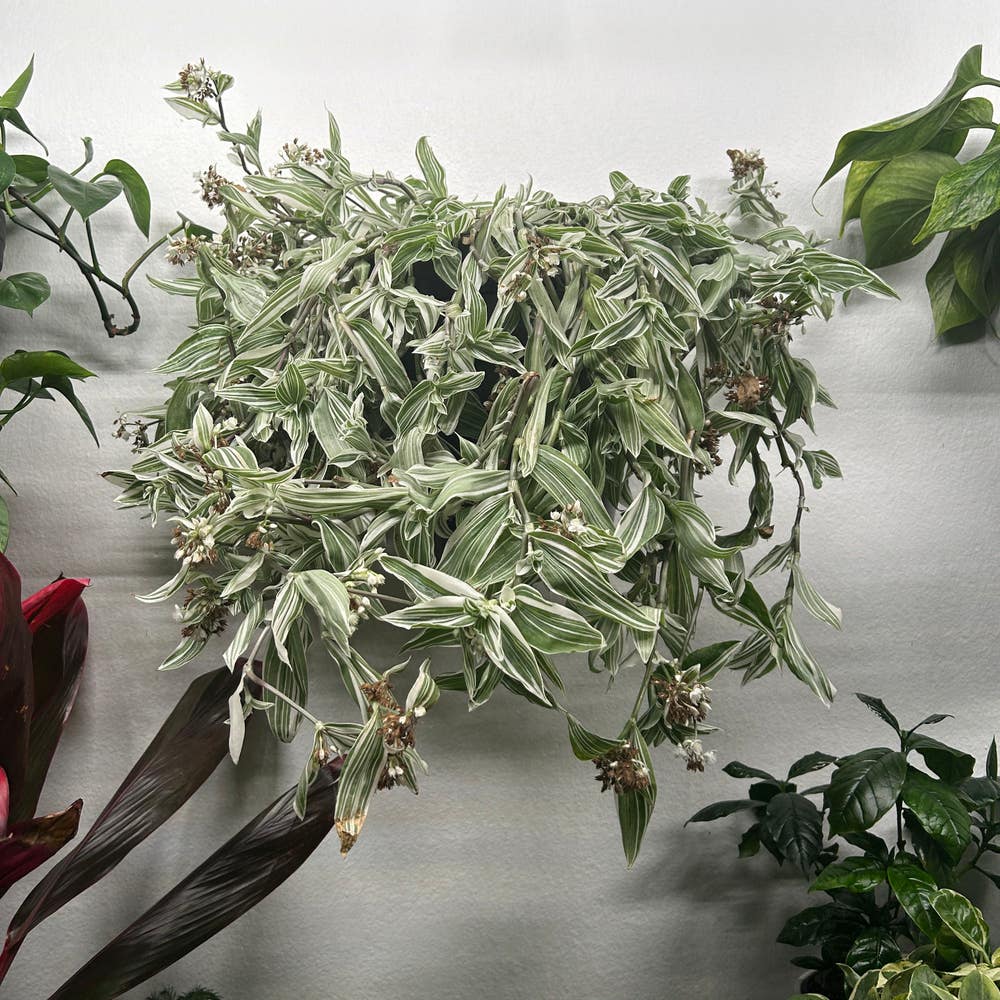
Tradescantia fluminensis 'Albovittata'
By the Greg Editorial Team
Sep 30, 2024•6 min read
This article was created with the help of AI so we can cover more plants for you. May contain errors. See one? Report it here.
- 🌱 Germination takes 7-14 days, influenced by temperature, moisture, and light conditions.
- 💧 Consistent moisture is key; avoid overwatering to prevent root rot in seedlings.
- 🌞 Bright, indirect light promotes healthy growth and vibrant leaf variegation.
Germination Stage
Duration of Germination 🌱
The typical germination period for variegated inch plants ranges from 7 to 14 days. This timeframe can vary based on several factors, including temperature, moisture, and light exposure.
Conditions for Successful Germination 🌡️
To ensure successful germination, aim for an optimal temperature range of 70°F to 80°F (21°C to 27°C).
- Soil Requirements: Use a well-draining potting mix with a slightly acidic to neutral pH, ideally between 6.0 and 7.0.
- Light Conditions: Provide indirect sunlight or fluorescent light for 12 to 16 hours daily to encourage healthy growth.
By meeting these conditions, you set the stage for vibrant growth in your variegated inch plants. Next, let’s explore the seedling stage, where the real magic begins!
Seedling Stage
🌱 Characteristics of Seedlings
During the seedling stage, your variegated inch plant showcases small, delicate leaves. This is when the beautiful variegation begins to emerge, adding a touch of charm to your growing plant.
At the end of this stage, seedlings typically reach a height of 2-4 inches. This growth marks an exciting milestone in their development.
⏳ Duration and Care During This Stage
The seedling stage lasts about 2-4 weeks. Proper care during this time is crucial for healthy growth.
Watering: Keep the soil consistently moist but avoid sogginess. Overwatering can lead to root rot, so be mindful.
Light: Provide bright, indirect light to encourage robust growth. Too much direct sunlight can scorch these tender leaves.
Fertilization: Light feeding with diluted liquid fertilizer every two weeks will support their growth. This gentle boost helps them thrive without overwhelming them.
As your seedlings flourish, they set the stage for the next exciting phase of growth. With the right care, you'll soon witness their transformation into vibrant, mature plants.
Vegetative Growth Stage
Growth Patterns and Changes 🌱
During the vegetative growth stage, your variegated inch plant can experience rapid growth, often doubling in size within just a few weeks. This is the time when leaves develop into larger, more vibrant forms, showcasing the plant's unique variegation.
Duration and Environmental Needs ⏳
This stage typically lasts between 4 to 8 weeks, depending on the conditions provided.
Temperature
To ensure optimal growth, maintain temperatures between 65°F to 75°F (18°C to 24°C).
Humidity
High humidity levels, ideally 50% or higher, are crucial to prevent leaf curling and promote healthy foliage.
Light
Bright, indirect sunlight for 12-14 hours daily is essential for robust growth.
By carefully managing these environmental factors, you can support your plant's flourishing development and vibrant appearance. This stage sets the foundation for the next exciting phase of growth, leading into flowering.
Flowering Stage
🌸 Description of Flowering
The flowering stage of the variegated inch plant is a delightful spectacle. Expect to see small, vibrant purple or pink flowers blooming in clusters, adding a splash of color to your greenery.
Typically, these flowers appear after 8 to 12 weeks of growth. This timing can vary slightly based on environmental conditions and care.
⏳ Duration and Conditions for Flowering
Once they bloom, the flowers can last for several weeks, providing a beautiful display. To encourage this blooming phase, certain conditions must be met.
Light Requirements
Full to partial sunlight is essential for promoting flowering. Ensure your plant receives adequate light to maximize its blooming potential.
Nutrient Needs
Increased phosphorus levels in your fertilizer can significantly enhance flowering. A nutrient-rich environment supports the plant's ability to produce those stunning blooms.
By understanding these conditions, you can create an optimal environment for your variegated inch plant to thrive and showcase its floral beauty. As we transition to the next stage, let’s explore the fascinating process of seed production.
Seed Production
Process of Seed Production 🌱
The journey of seed production in the variegated inch plant begins with pollination. While these plants are primarily self-pollinating, they can greatly benefit from cross-pollination, which enhances genetic diversity.
Once pollination occurs, seed formation takes place, leading to the development of seed pods. This process is crucial for the continuation of the plant's life cycle and ensures that new generations can thrive.
Viability and Lifespan of Seeds ⏳
Understanding seed viability is essential for successful propagation. Under proper storage conditions, seeds can remain viable for 1-2 years, but for the best results, it's advisable to use them within the first year.
Using seeds promptly maximizes germination rates, ensuring that your efforts in seed production yield vibrant new plants. Keeping track of your seeds' age can make a significant difference in your gardening success.
As you explore the fascinating world of variegated inch plants, you'll see how each stage of growth is interconnected. Next, we'll delve into the growth rate and maturation of these beautiful plants, highlighting what to expect as they develop.
Growth Rate and Maturation
How Long Until Fully Grown? 🌱
The variegated inch plant typically reaches full growth in about 3 to 6 months under ideal conditions. This timeframe allows the plant to flourish and showcase its vibrant colors.
Factors Influencing Growth Rate 🌡️
Several environmental factors play a crucial role in determining growth rate. Temperature, humidity, light exposure, and soil quality are key elements that can either accelerate or hinder development.
- Temperature: Keeping the temperature within the optimal range is essential.
- Humidity: High humidity levels support healthy leaf growth.
- Light Exposure: Adequate light is vital for photosynthesis and overall vigor.
- Soil Quality: Well-draining soil promotes root health and nutrient uptake.
Care during growth stages is equally important. Regular watering, appropriate fertilization, and vigilant pest management can significantly enhance growth.
Average Maturation Time ⏳
On average, noticeable growth and development occur within 3 to 4 months. During this period, you’ll see the plant transition from a delicate seedling to a more robust specimen.
Understanding these factors can help you cultivate a thriving variegated inch plant. With the right conditions and care, you’ll witness its stunning transformation, setting the stage for the next exciting phase of its life cycle.
Notable Changes Throughout Life Cycle
🌱 Physical Changes During Growth Stages
As the variegated inch plant matures, it undergoes significant physical transformations. It starts with small, delicate leaves and evolves into robust foliage, showcasing its vibrant character.
The height of the plant also increases, typically reaching between 6 to 12 inches at maturity. This growth not only enhances its visual appeal but also indicates a healthy, thriving plant.
🎨 Color and Variegation Changes
Color plays a crucial role in the inch plant's allure. The intensity of its variegation increases when exposed to optimal light and nutrient conditions.
You'll notice that the leaf colors shift to brighter greens and more pronounced purples, creating a stunning visual display. This vibrant color change is a sign of the plant's health and vitality.
🌍 Adaptations to Environmental Conditions
The variegated inch plant is quite adaptable, adjusting its leaf size and shape based on humidity and light levels. This flexibility helps it thrive in varying conditions, making it a resilient choice for plant enthusiasts.
However, growth patterns may slow or alter if the plant faces less-than-ideal conditions. Keeping an eye on these changes can help you provide the best care possible, ensuring your plant remains healthy and vibrant.
As we explore the growth rate and maturation of the variegated inch plant, understanding these notable changes will enhance your appreciation for its life cycle.
⚠️ Safety First
This content is for general information and may contain errors, omissions, or outdated details. It is not medical, veterinary advice, or an endorsement of therapeutic claims.
Always consult a qualified healthcare professional before using any plant as food, medicine, or supplement.
Never eat any plant (or feed one to pets) without confirming its identity with at least two trusted sources.
If you suspect poisoning, call Poison Control (800) 222-1222, the Pet Poison Helpline (800) 213-6680, or your local emergency service immediately.
Spotted an error? Please report it here.
Unlock the secret to thriving variegated inch plants 🌿 with Greg's personalized care reminders that ensure your seedlings get the perfect temperature, moisture, and light they need to flourish!