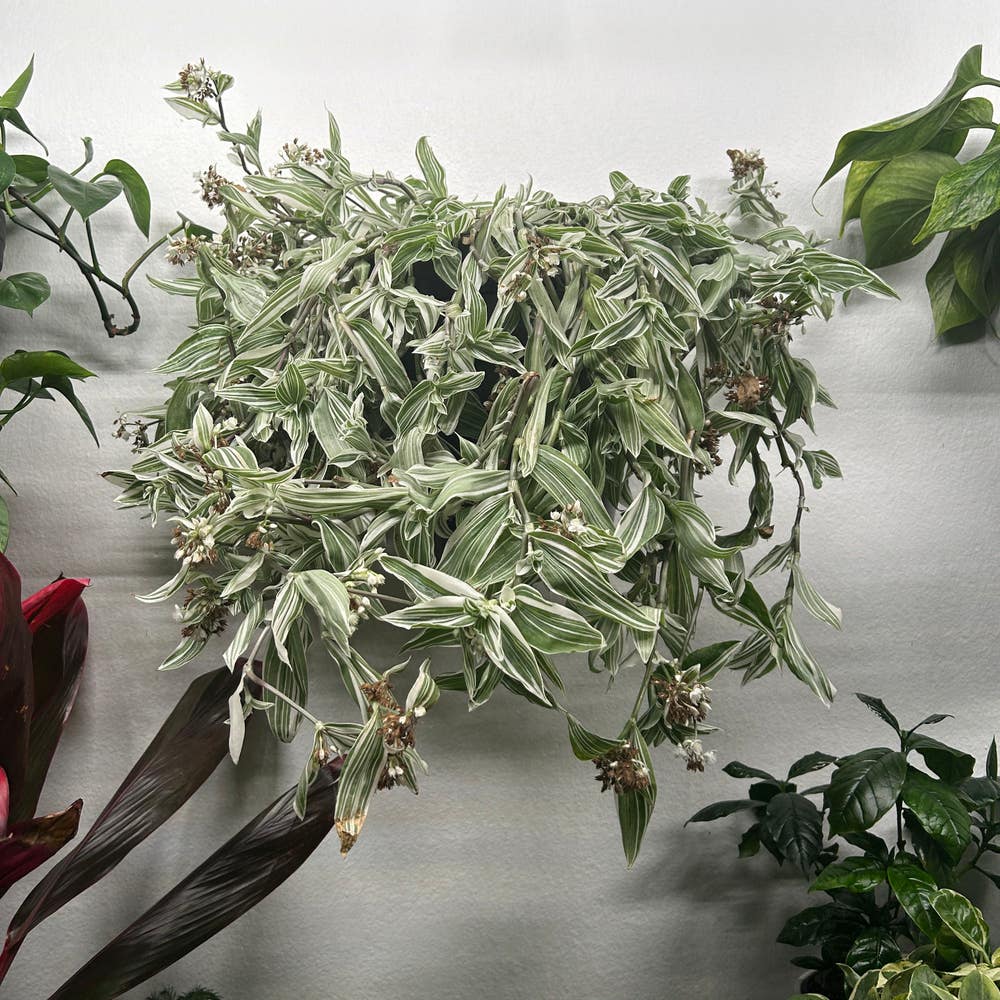
🌍 Where Can Variegated Inch Plant Grow? Zones 9a-11b
Tradescantia fluminensis 'Albovittata'
By the Greg Editorial Team
Sep 30, 2024•5 min read
This article was created with the help of AI so we can cover more plants for you. May contain errors. See one? Report it here.
- 🌞 Variegated inch plants thrive in USDA zones 9a to 11b, ideal for warm climates.
- ❄️ Frost can harm growth, so protect plants from temperatures below 30°F (-1°C).
- 🌿 Optimal growth occurs between 50°F and 90°F, ensuring balanced temperature is crucial.
Temperature Tolerance of Variegated Inch Plant
❄️ Cold Tolerance Specifics
The variegated inch plant can tolerate temperatures as low as 30°F (-1°C). However, exposure to frost can severely impact its health, leading to stunted growth or even death.
To ensure optimal growth, it's crucial to protect the plant from frost. This means keeping it indoors or covering it during unexpected cold snaps.
🔥 Heat Tolerance Specifics
On the warmer end, the variegated inch plant thrives best in temperatures above 50°F (10°C). Excessive heat can stress the plant, causing wilting or leaf drop.
Maintaining a balance is key; too much heat can be just as detrimental as too much cold.
🌡️ Ideal Temperature Ranges for Growth
For the best results, aim for an optimal temperature range of 50°F to 90°F (10°C to 32°C). This range allows the plant to flourish and display its vibrant colors.
Seasonal temperature variations can affect growth rates, so be mindful of how changing conditions might impact your plant's health. Understanding these nuances will help you provide the best care possible.
With a solid grasp of temperature tolerance, you're well on your way to creating an ideal environment for your variegated inch plant. Next, let’s explore the ideal growing regions where this plant can truly thrive.
Ideal Growing Regions
🌍 Examples of US States in Zones 9a-11b
If you're looking to grow a variegated inch plant, you're in luck! States like California, Florida, Texas, Arizona, and Hawaii fall within the ideal zones 9a to 11b, providing the perfect climate for this vibrant plant.
🌡️ Factors Contributing to Ideal Growing Conditions
These regions boast warm climates characterized by extended growing seasons and minimal frost. The right soil types and moisture levels also play a crucial role in creating an environment where the variegated inch plant can thrive.
🗺️ Comparison of Different Regions Within the Suitable Zones
Even within these states, climate and growing conditions can vary significantly. For instance, coastal areas may offer milder temperatures, while inland regions might experience more extreme heat, impacting plant vitality.
Specific regions within these states can provide even better conditions. Areas with rich, well-draining soil and consistent moisture levels will enhance growth, making them ideal spots for your variegated inch plant.
Understanding these nuances can help you choose the best location for your plant, ensuring it flourishes beautifully. Next, let's explore how microclimates can further influence your inch plant's growing potential.
Microclimates and Their Impact
🌦️ Definition of Microclimates
Microclimates are localized climate zones that differ from the surrounding area. They can be influenced by various factors, creating unique conditions that can significantly affect plant growth.
🌍 How Microclimates Can Extend Growing Range
Several factors contribute to the creation of microclimates:
- Elevation: Higher altitudes often experience cooler temperatures, while valleys may retain heat.
- Proximity to Water: Bodies of water can moderate temperatures, keeping areas warmer in winter and cooler in summer.
- Urban Heat Islands: Cities tend to be warmer due to human activities and infrastructure, creating ideal conditions for certain plants.
These microclimates can allow the variegated inch plant to thrive even outside its typical growing zones.
🌱 Examples of Microclimates That Benefit the Plant
- Coastal Areas: These regions often enjoy moderated temperatures, reducing the risk of frost and heat stress.
- Urban Areas: The heat retained by buildings and pavement can create a warm environment, perfect for growth.
- Protected Garden Spaces: Areas shielded from wind and frost can provide a safe haven for plants, enhancing their chances of survival.
Understanding microclimates is essential for maximizing the growth potential of the variegated inch plant. By leveraging these localized conditions, gardeners can cultivate thriving plants even in less-than-ideal climates.
As we explore the state-level suitability for the variegated inch plant, keep in mind how these microclimates can play a pivotal role in your gardening success.
State-Level Suitability Analysis
🌞 List of States Suitable for Variegated Inch Plant
The variegated inch plant thrives in several states known for their warm climates. California, Florida, Texas, Arizona, and Hawaii are prime examples, offering the ideal temperature ranges and minimal frost exposure necessary for healthy growth.
In California, the Mediterranean climate provides long growing seasons and ample sunlight. Florida's subtropical conditions ensure warmth and humidity, while Texas and Arizona offer dry heat, perfect for this resilient plant. Hawaii's tropical environment is also a haven for the inch plant, allowing it to flourish year-round.
❌ List of States Unsuitable for Variegated Inch Plant
On the flip side, some states are not conducive to growing the variegated inch plant. North Dakota, Minnesota, Maine, and similar regions fall outside the suitable zones 9a-11b, making them unsuitable for this tropical beauty.
These states experience extreme cold, with winter temperatures often plunging below freezing. The risk of frost and shorter growing seasons further complicate any attempts to cultivate this plant in such climates.
🌡️ Reasons for Suitability or Unsuitability Based on Climate Factors
Understanding why certain states are suitable or unsuitable involves analyzing temperature ranges and frost dates. Suitable states maintain average temperatures above 50°F (10°C) and have minimal frost days, allowing for extended growth periods.
Conversely, unsuitable states face harsh winters and shorter growing seasons. Local climate variations and microclimates can also play a significant role; even within a state, certain areas may provide better conditions than others.
By considering these factors, gardeners can make informed decisions about where to plant their variegated inch plants, ensuring optimal growth and health.
⚠️ Safety First
This content is for general information and may contain errors, omissions, or outdated details. It is not medical, veterinary advice, or an endorsement of therapeutic claims.
Always consult a qualified healthcare professional before using any plant as food, medicine, or supplement.
Never eat any plant (or feed one to pets) without confirming its identity with at least two trusted sources.
If you suspect poisoning, call Poison Control (800) 222-1222, the Pet Poison Helpline (800) 213-6680, or your local emergency service immediately.
Spotted an error? Please report it here.
Grow your variegated inch plant flourishingly 🌱 by using Greg's tailored care tips and reminders to navigate local climates and create the perfect environment for success!