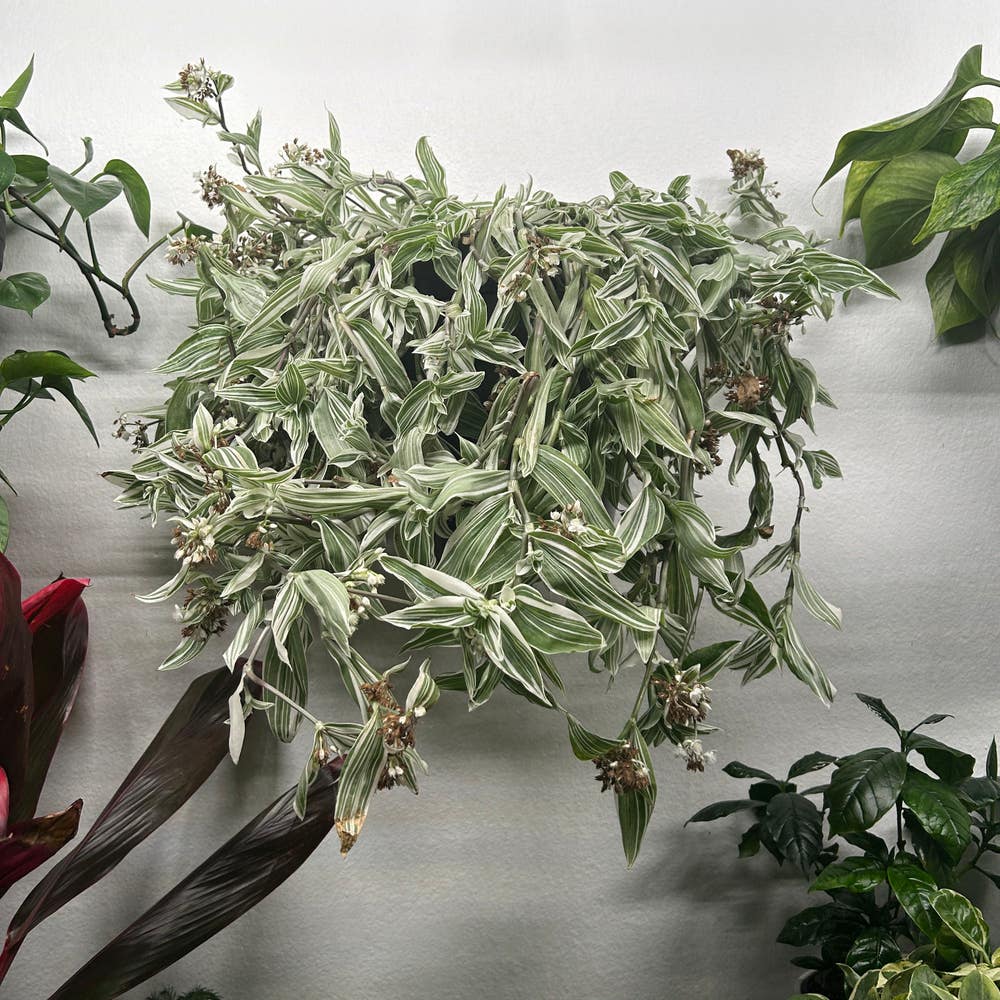
Tradescantia Albiflora 'Albovittata' Temperature
Tradescantia fluminensis 'Albovittata'
By the Greg Editorial Team
Jun 18, 2024•3 min read
This article was created with the help of AI so we can cover more plants for you. May contain errors. See one? Report it here.
- Ideal range 60°F-85°F (15°C-29°C) for Tradescantia albiflora 'Albovittata'.
- 🍂 Watch for leaf discoloration/wilting as signs of temperature stress.
- Avoid drafts and direct sunlight to maintain stable temperatures.
Hitting the Sweet Spot: Ideal Temperature Range
♨️ What's the Magic Number?
Tradescantia albiflora 'Albovittata' thrives in a temperature range of 60°F to 85°F (15°C to 29°C). This is where it performs its best photosynthesis without overheating or getting too chilly.
Keeping It Consistent
Stability is key. Avoid placing your Tradescantia near air conditioners, heaters, or drafty windows to prevent sudden temperature changes that can stress the plant.

When Things Get Too Hot or Cold: Recognizing Temperature Stress
🌡️ Telltale Signs of Discomfort
Leaf discoloration is a red flag; yellow leaves often signal overheating, while brown spots or edges may indicate cold damage. Wilting leaves are a desperate plea for cooler conditions, and a sudden leaf drop is the plant's way of sounding the alarm.
🚑 Quick Fixes for Temperature Troubles
Act fast when you spot the first signs of temperature stress. For heat, shield your Tradescantia with shade or relocate it to a cooler spot. If it's cold, move the plant away from drafts and consider providing extra warmth. Remember, abrupt temperature changes are your plant's nemesis.

Common Culprits: Causes of Temperature Stress
🌡️ Extreme Weather Warnings
Understanding how sudden temperature changes can affect your plant is crucial. When the weather throws a curveball, your Tradescantia albiflora 'Albovittata' can experience shock. This can manifest as stunted growth or damaged foliage. It's essential to shield your plant from the whims of Mother Nature, whether it's an unseasonal frost or an unexpected heatwave.
🌬️ Drafts and Direct Sunlight: Hidden Hazards
Drafts and direct sunlight are the ninjas of temperature stress. A drafty window might seem harmless, but it can cause your plant to experience temperature fluctuations that are as unwelcome as a cold splash of water. Similarly, that inviting patch of sunlight can quickly escalate into a scorching hotspot. To keep your Tradescantia safe, position it away from drafty areas and ensure it receives diffused, not direct, sunlight.

Keeping Your Cool (or Warmth): Temperature Control Tips
🌡️ Creating a Stable Environment
Stability reigns supreme in the world of Tradescantia albiflora 'Albovittata'. To shield your plant from temperature tantrums, avoid placing it near drafts, heaters, or air conditioners. These are the villains of the plant temperature tale. Insulate windows during winter's chill and use sheer curtains to soften the blow of the summer sun. Think of it as crafting a personal microclimate, a bubble where your Tradescantia can bask in consistent warmth.
💦 A Note on Humidity
Humidity and temperature are the Thelma and Louise of plant care—inseparable. Your Tradescantia doesn't need a tropical storm but appreciates a moist atmosphere. Grouping plants or using a humidifier can boost humidity levels. Just ensure there's enough air movement to prevent a fungal uprising. It's a delicate dance of dampness and draft.
⚠️ Safety First
This content is for general information and may contain errors, omissions, or outdated details. It is not medical, veterinary advice, or an endorsement of therapeutic claims.
Always consult a qualified healthcare professional before using any plant as food, medicine, or supplement.
Never eat any plant (or feed one to pets) without confirming its identity with at least two trusted sources.
If you suspect poisoning, call Poison Control (800) 222-1222, the Pet Poison Helpline (800) 213-6680, or your local emergency service immediately.
Spotted an error? Please report it here.
Ensure your Tradescantia stays happy and healthy 🌡 by letting Greg keep an eye on those tricky temperature swings for you.