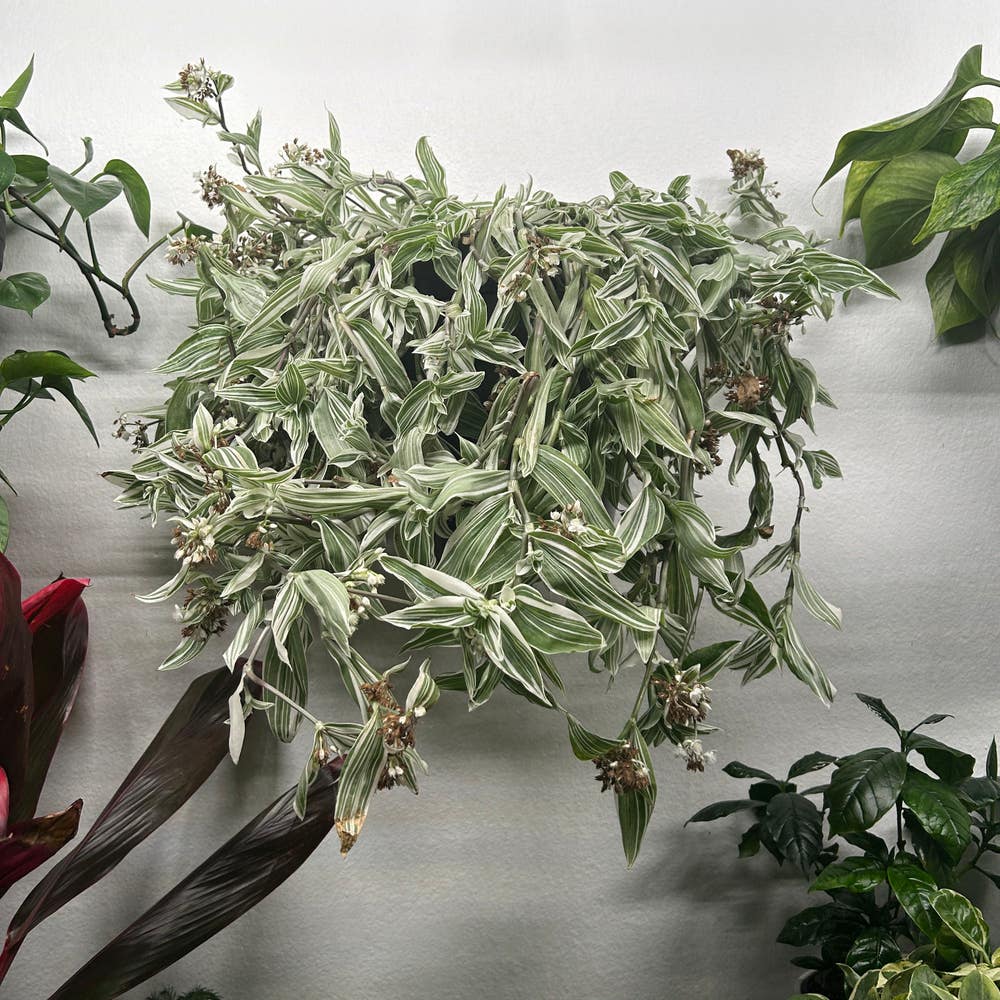
Tradescantia Albiflora 'Albovittata' Direct Sunlight
Tradescantia fluminensis 'Albovittata'
By the Greg Editorial Team
Jun 18, 2024•3 min read
This article was created with the help of AI so we can cover more plants for you. May contain errors. See one? Report it here.
- Prefers bright, indirect light for 6-8 hours daily.
- 🌞 Direct sunlight causes stress, like washed out leaves and brown spots.
- Reposition based on window direction; east or north-facing windows are ideal.
Sunlight Simplified: What Does Tradescantia albiflora 'Albovittata' Prefer?
🌞 Defining Direct Sunlight
Direct sunlight is unfiltered; it beams down on your Tradescantia albiflora 'Albovittata' without any barriers. Indirect light, on the other hand, is like the plant's sunscreen—bright, but not harsh.
🌱 Tradescantia albiflora 'Albovittata' and Sunlight Needs
This plant craves bright, indirect light. Too much direct sun can lead to a tan it never wanted. Think scorched, crispy leaves. Not enough light? Expect a sad, droopy Tradescantia with faded glory. Balance is key.

When Direct Sunlight Gets Too Intense
⚠️ Recognizing Sun Stress in Tradescantia albiflora 'Albovittata'
Tradescantia albiflora 'Albovittata' thrives in bright conditions, but direct sunlight can be too much of a good thing. Watch for leaves that look washed out or have brown spots—these are distress signals. The once vibrant stripes may fade, indicating your plant is getting more light than it can handle.
🛡️ Protecting Your Plant
When the sun's rays turn from friend to foe, it's time for action. Reposition your Tradescantia to a spot with dappled light, perhaps behind a sheer curtain. Morning light is usually safe, so east-facing windows are your ally. If outdoors, consider a shady refuge during peak hours. Remember, hydration is crucial; water your plant in the morning to arm it against the day's heat.

The Window Compass: Navigating Light for Your Tradescantia
🌞 Window Direction and Plant Health
Windows are like plant TV—what's on offer depends on the direction they face. East-facing windows dish out a gentle morning show, perfect for Tradescantia albiflora 'Albovittata' who aren't into the full glare of the sun. West-facing windows serve up a stronger afternoon drama, a bit more intense but still manageable. South-facing windows? That's the blockbuster channel, streaming bright light all day, which might be too much of a good thing. And the north-facing windows provide a constant stream of chill, ambient light, great for those who prefer the shade.
🌍 Hemisphere Considerations
Your global address changes the rules of the game. In the Northern Hemisphere, south-facing windows are the main event for sunlight. Flip the script if you're in the Southern Hemisphere—north-facing is where the sun's at. But remember, it's not just about the direction; it's about the duration of sunlight too. As the seasons change, so should your plant's spot. Keep an eye on the sun's path, and don't let your Tradescantia get too toasty or too gloomy.

Tailoring Sunlight for Tradescantia albiflora 'Albovittata' Thriving
🌞 Timing and Duration of Sun Exposure
Bright, indirect light is the sweet spot for Tradescantia albiflora 'Albovittata'. Aim for 6-8 hours of this quality light daily. East or west-facing windows are prime real estate for these plants. If your window game is weak, don't fret—grow lights are a solid backup.
🍂 Seasonal Adjustments
As the seasons change, so should your plant care strategy. During summer, shield your Tradescantia from harsh rays that could turn its leaves into crispy critters. Come winter, it's all about maximizing light—cozy up your plant to the brightest spot that's still chill-free. If you notice your Tradescantia throwing a fit (read: droopy or pale leaves), it's time to switch things up.
⚠️ Safety First
This content is for general information and may contain errors, omissions, or outdated details. It is not medical, veterinary advice, or an endorsement of therapeutic claims.
Always consult a qualified healthcare professional before using any plant as food, medicine, or supplement.
Never eat any plant (or feed one to pets) without confirming its identity with at least two trusted sources.
If you suspect poisoning, call Poison Control (800) 222-1222, the Pet Poison Helpline (800) 213-6680, or your local emergency service immediately.
Spotted an error? Please report it here.
Keep your Tradescantia 'Albovittata' radiant 🌿 by letting Greg's PlantVision measure your home's light levels to prevent sun stress and ensure just the right amount of dappled light.