✨ Key Stages in the Life of a Silver Falls Dichondra
Dichondra argentea 'Silver Falls'
By the Greg Editorial Team
Oct 12, 2024•5 min read
This article was created with the help of AI so we can cover more plants for you. May contain errors. See one? Report it here.
Cultivate stunning Silver Falls Dichondra 🌱 from seed to bloom for a vibrant garden transformation!
- 🌱 Silver Falls Dichondra germinates in 7-14 days with optimal conditions and care.
- ☀️💧 Ideal growth requires well-drained soil, consistent moisture, and bright indirect sunlight.
- 🌿 Maturity takes 6-12 months, with cascading foliage perfect for ground cover.
Germination Stage
🌱 Duration of Germination
The germination period for Silver Falls Dichondra typically spans 7 to 14 days. For optimal results, aim for a temperature range of 20°C to 25°C (68°F to 77°F).
🌧️ Conditions for Successful Germination
To ensure successful germination, start with well-drained, fertile soil.
Maintaining consistent moisture is crucial, but avoid waterlogging to prevent root rot.
Additionally, provide indirect light to protect the delicate seedlings from overheating.
By meeting these conditions, you set the stage for healthy growth and vibrant foliage.
With the right start, your Silver Falls Dichondra will thrive as it transitions into the seedling stage.
Seedling Stage
🌱 Characteristics of Seedlings
During the seedling stage, Silver Falls Dichondra showcases small, delicate leaves that exhibit a striking silver-green hue. Initially, the growth habit is upright, but as the seedlings mature, they transition into a beautiful trailing form.
⏳ Duration and Care During This Stage
This stage lasts approximately 4-6 weeks, requiring attentive care to ensure healthy development.
Watering
Regular watering is essential to maintain consistent soil moisture without waterlogging.
Light
Bright, indirect sunlight is ideal, promoting robust growth while preventing overheating.
Fertilization
After 2-3 weeks, light feeding with a balanced fertilizer can give seedlings the extra nutrients they need to thrive.
As you nurture your seedlings, you'll witness their transformation, setting the stage for the next exciting phase in their life cycle.
Vegetative Growth Stage
Growth Patterns and Changes 🌱
During the vegetative growth stage, Silver Falls Dichondra experiences rapid expansion. This phase is marked by a striking transformation as the plant develops a trailing or cascading form.
The leaves also undergo significant changes, becoming larger and more pronounced. This lush foliage not only enhances the plant's aesthetic appeal but also contributes to its ability to thrive in various environments.
Duration of Vegetative Growth ⏳
This growth stage typically lasts between 8 to 12 weeks. To maximize growth, Silver Falls Dichondra flourishes in full sun to partial shade, provided the soil is well-drained.
Proper environmental conditions are crucial during this phase. Ensuring the right balance of sunlight and soil quality will set the foundation for a vibrant, healthy plant.
As the plant matures, it becomes an excellent choice for ground cover, showcasing its cascading beauty. This stage is essential for establishing a robust and resilient Silver Falls Dichondra, ready to face the next phases of its life cycle.
With a solid understanding of the vegetative growth stage, you're now prepared to explore the flowering stage and the unique characteristics it brings.
Flowering Stage
Description of Flowering 🌸
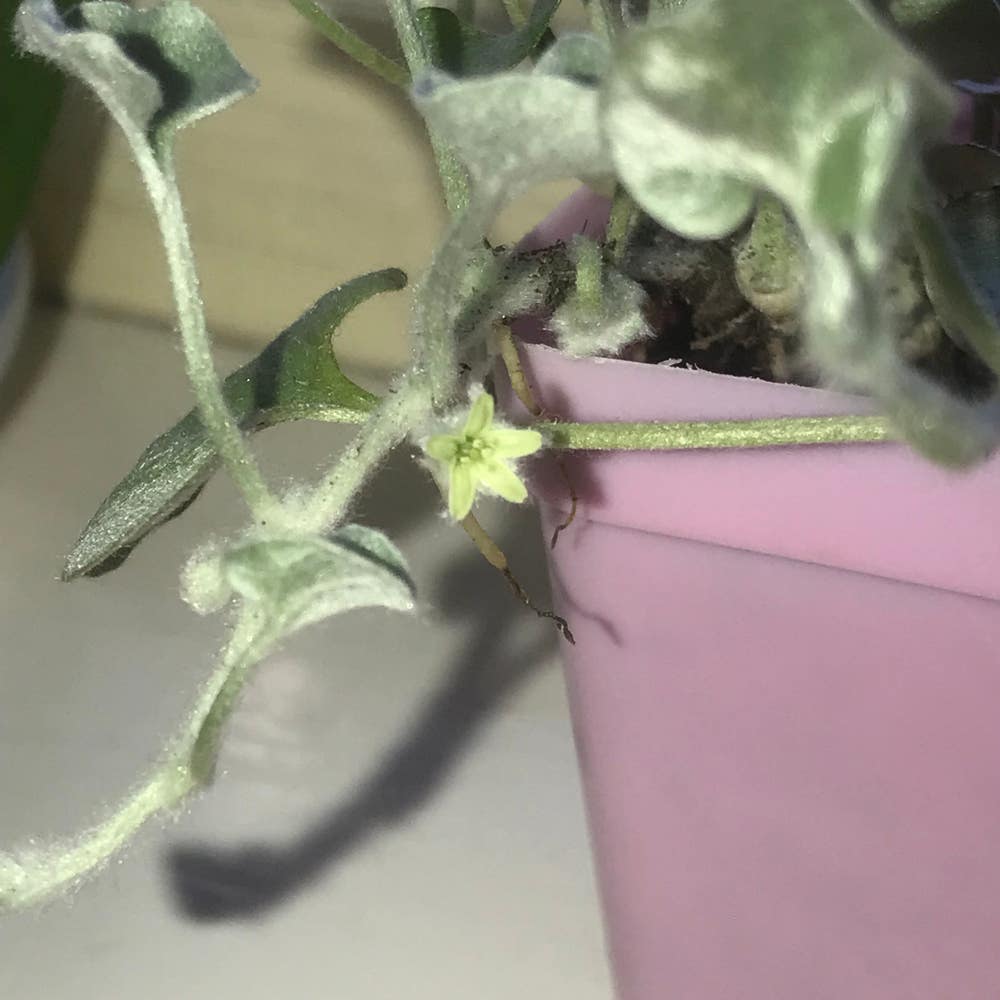
The flowering stage of the Silver Falls Dichondra is subtle yet intriguing. It produces small, inconspicuous flowers that often go unnoticed, blending seamlessly into the foliage.
Flowering Habit 🌼
These flowers bloom sporadically, primarily thriving in favorable conditions. When they do appear, they add a delicate touch to the plant's overall charm.
Duration and Conditions for Flowering ⏳
Typically, the flowering period lasts about 2-4 weeks. To encourage this stage, ensure the plant has adequate moisture levels, warm temperatures, and plenty of sunlight.
Optimal Conditions for Flowering ☀️
- Moisture: Consistent watering is crucial to support blooming.
- Temperature: Warm weather enhances flower development.
- Sunlight: Sufficient sunlight is essential for vibrant blooms.
In summary, while the flowers of the Silver Falls Dichondra may be small and easily overlooked, they contribute to the plant's unique beauty. Ensuring the right conditions can lead to a rewarding flowering experience, setting the stage for the next phase in its life cycle: seed production.
Seed Production
Process of Seed Production 🌱
Silver Falls Dichondra primarily relies on self-pollination for seed formation. This efficient method ensures that the plant can produce seeds even in less-than-ideal conditions.
The seeds themselves are small and light, making them easily dispersed by the wind. This natural dispersal mechanism helps the plant colonize new areas, enhancing its growth potential.
Duration and Environmental Factors Affecting Seed Production ⏳
After flowering, seed production typically takes about 4-6 weeks. During this time, the plant focuses on maturing its seeds for future growth.
Several environmental factors influence this process. Warmer temperatures can speed up seed development, while consistent moisture is crucial for proper seed maturation.
Understanding these elements can help you create the ideal conditions for your Silver Falls Dichondra to thrive and reproduce effectively.
As we move forward, let’s explore how the growth rate and maturation of this plant unfold over time.
Growth Rate and Maturation
🌱 How Long Until Fully Grown?
Silver Falls Dichondra typically reaches full maturity in about one growing season, which spans approximately 6 to 12 months. This timeframe allows the plant to establish itself and showcase its stunning foliage.
⏳ Factors Influencing Growth Rate
Several key factors can significantly influence the growth rate of Silver Falls Dichondra:
Soil Quality: Well-draining, nutrient-rich soil is essential for optimal growth. It ensures that the roots can access the nutrients they need without becoming waterlogged.
Water Availability: Consistent moisture during the early stages of growth accelerates development. This is crucial for establishing a strong root system.
Light Exposure: The plant thrives in full sun to partial shade. Proper light conditions optimize growth and enhance the plant's vibrant color.
🌿 Notable Changes Throughout Life Cycle
🌈 Visual Changes in Foliage
As Silver Falls Dichondra matures, its foliage undergoes striking transformations. Initially, the leaves are a bright green, gradually transitioning to a beautiful silver-green hue.
📈 Changes in Growth Habits
In the early stages, the plant exhibits an upright growth habit. As it matures, it shifts to a trailing form, creating a cascading effect that makes it ideal for ground cover.
🌍 Environmental Adaptations
Silver Falls Dichondra develops remarkable resilience over time. Once established, it becomes drought-tolerant, adapting to varying moisture levels while still requiring consistent moisture during its early growth stages.
This journey from seedling to maturity is not just about growth; it's about resilience and adaptability. Understanding these stages can help you nurture your Silver Falls Dichondra to its fullest potential. Next, let’s explore the flowering stage and what to expect during this exciting time in the plant's life cycle.
⚠️ Safety First
This content is for general information and may contain errors, omissions, or outdated details. It is not medical, veterinary advice, or an endorsement of therapeutic claims.
Always consult a qualified healthcare professional before using any plant as food, medicine, or supplement.
Never eat any plant (or feed one to pets) without confirming its identity with at least two trusted sources.
If you suspect poisoning, call Poison Control (800) 222-1222, the Pet Poison Helpline (800) 213-6680, or your local emergency service immediately.
Spotted an error? Please report it here.
Nurture your Silver Falls Dichondra from seedling to stunning ground cover 🌿 with Greg's personalized care reminders that ensure optimal growth at every stage!