🔍 Identifying What is Eating Your Silver Falls Dichondra
Dichondra argentea 'Silver Falls'
By the Greg Editorial Team
Oct 12, 2024•7 min read
This article was created with the help of AI so we can cover more plants for you. May contain errors. See one? Report it here.
Safeguard your Silver Falls Dichondra from hungry herbivores with these vital tips for a flourishing garden! 🌿
- 🌱 Silver Falls Dichondra attracts herbivores like deer, rabbits, and squirrels due to tender leaves.
- 🦌 Signs of herbivores include droppings and damage; monitor regularly for early intervention.
- 🚫 Effective deterrents include fencing, repellents, and reflective objects to protect your plants.
Most Appealing Parts to Animals
🌿 Description and Appearance
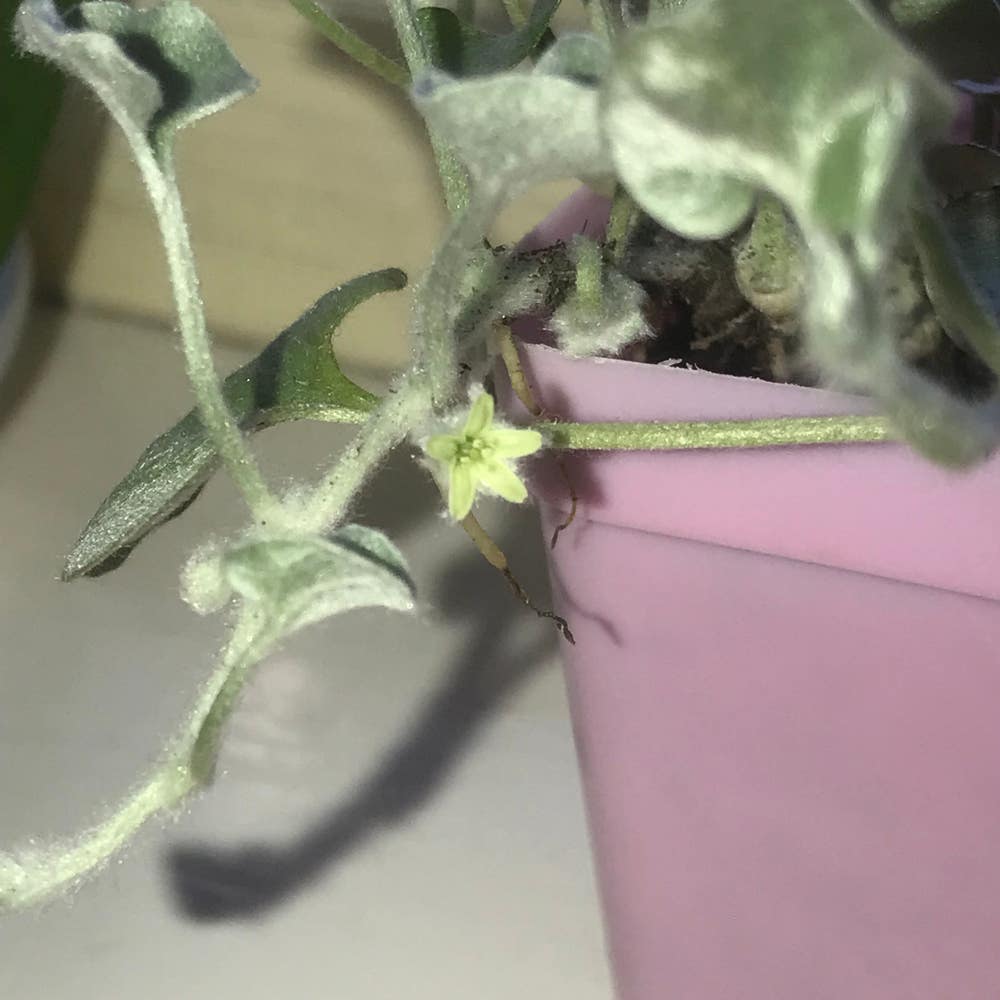
Silver Falls Dichondra is a trailing perennial that captures attention with its unique growth habit. It typically reaches up to 2 inches tall and can spread an impressive 3 feet wide, making it a lush ground cover.
The foliage is where this plant truly shines. Its silvery-green leaves are not only visually appealing but also tender and lush, making them particularly enticing to various herbivores.
🐾 Why Animals Are Drawn to It
The combination of its low height and sprawling nature creates a perfect buffet for hungry animals. The tender leaves are especially attractive, as they provide a nutritious snack that many herbivores can't resist.
Understanding these appealing traits can help gardeners anticipate which animals might be drawn to their Silver Falls Dichondra. This knowledge is crucial for implementing effective protection strategies.
With this foundation, let's explore the common herbivores that might be affecting your beloved plant.
Common Herbivores Affecting Silver Falls Dichondra
🦌 Deer
Signs of Presence
Look for distinct hoof prints in your garden soil; these are telltale signs of deer activity. Additionally, dark, pellet-like droppings near your Silver Falls Dichondra indicate their presence.
Type of Damage Caused
Deer are notorious for browsing, stripping leaves and stunting growth. This can severely impact the overall health of your plants.
Beneficial vs. Harmful Interaction
Interactions with deer are generally harmful. Their feeding habits can lead to significant plant loss, making them a major concern for gardeners.
Deterrent Methods
To keep deer at bay, consider installing 8-foot tall fencing to prevent access. You can also use commercial deer repellents or homemade solutions like garlic spray for added protection.
🐇 Rabbits
Signs of Presence
Rabbits leave behind clean cuts on young shoots, indicating they’ve been munching. You may also find small, round droppings scattered around your plants.
Type of Damage Caused
These furry critters graze on leaves and young shoots, leading to reduced vigor in your Silver Falls Dichondra. Their appetite can hinder growth and spread.
Beneficial vs. Harmful Interaction
Rabbits are generally harmful to your plants. Their feeding can significantly affect the health and expansion of your garden.
Deterrent Methods
Netting is an easy way to cover your plants and prevent rabbit access. You can also use organic repellents, such as predator urine, to deter them.
🐿️ Squirrels
Signs of Presence
Look for irregular bite marks on foliage, which indicate squirrel activity. You might also spot nests in nearby trees, a clear sign they’re nearby.
Type of Damage Caused
Squirrels can cause leaf damage that reduces photosynthesis and overall vigor. Their nibbling habits can disrupt plant health.
Beneficial vs. Harmful Interaction
Interactions with squirrels are generally harmful. Their feeding can lead to significant disruptions in your plant's health.
Deterrent Methods
To scare squirrels away, use reflective objects or noise devices. Live traps can also be effective for relocation.
🐦 Birds
Signs of Presence
Pecked leaves with irregular holes are a sign that birds are feasting on your plants. You might also notice nests in nearby shrubs or trees.
Type of Damage Caused
Birds can cause leaf damage that reduces both aesthetic appeal and plant health. Their feeding habits can lead to significant plant damage.
Beneficial vs. Harmful Interaction
Birds are generally harmful to your Silver Falls Dichondra. Their activity can severely impact your plants' vitality.
Deterrent Methods
Using fake predators as decoys can scare birds away. Hanging shiny materials can also deter them effectively.
🐭 Rodents (Mice, Voles)
Signs of Presence
Look for small burrows or pathways in the soil, indicating rodent activity. You may also find small, dark pellets near the base of your plants.
Type of Damage Caused
Rodents can cause root damage, undermining plant stability and health. Their feeding habits can lead to significant plant loss.
Beneficial vs. Harmful Interaction
Interactions with rodents are generally harmful. They can severely affect the health of your Silver Falls Dichondra.
Deterrent Methods
Set snap traps or live traps for removal. Additionally, modifying the habitat by reducing cover and food sources nearby can help deter them.
🦡 Groundhogs/Woodchucks
Signs of Presence
Look for large burrows near your plants and distinctive gnaw marks on stems and leaves. These signs indicate groundhog activity.
Type of Damage Caused
Groundhogs can cause extensive grazing, completely stripping plants of foliage. Their feeding can devastate plant populations.
Beneficial vs. Harmful Interaction
Interactions with groundhogs are generally harmful. Their feeding habits can lead to significant plant loss.
Deterrent Methods
To keep groundhogs out, bury wire mesh 12 inches underground to prevent burrowing. Strong scents, like castor oil, can also act as effective repellents.
As you navigate the challenges posed by these herbivores, remember that understanding their behaviors is key. This knowledge will help you implement effective strategies to protect your Silver Falls Dichondra and maintain a thriving garden.
General Strategies for Protection
🛡️ Preventive Measures
Choosing the right spot for your Silver Falls Dichondra can make a world of difference. Opt for locations that are less accessible to herbivores, like elevated areas or spots surrounded by less appealing plants.
Companion planting is another smart strategy. Pairing your dichondra with plants that naturally deter herbivores can create a protective barrier, keeping your garden thriving.
🚨 Reactive Solutions
Regular monitoring is key to catching any animal activity early. Keep an eye out for signs like tracks or droppings, and act quickly when you notice them.
Implementing deterrents as soon as you see signs of trouble can save your plants. Whether it's setting up barriers or using repellents, a swift response is crucial.
🌱 Balancing Ecosystem Health
Understanding the role of herbivores in the ecosystem is essential. While they can be a nuisance, they also play a part in maintaining balance in nature.
Consider implementing integrated pest management. This approach combines various strategies for effective control, ensuring your garden remains healthy without harming the local wildlife.
By taking these steps, you can protect your Silver Falls Dichondra while fostering a balanced ecosystem. Next, let’s explore how seasonal changes can affect animal attraction and plant vulnerability.
Seasonal Considerations
🐾 Seasonal Variations in Animal Attraction
As the seasons change, so does the behavior of herbivores. In spring, animals emerge from hibernation, leading to increased activity around your Silver Falls Dichondra.
Summer marks the peak feeding times for many herbivores. This is when they are most likely to munch on your plants, so vigilance is key.
⏰ Timing of Plant Vulnerability
Young shoots are particularly vulnerable in early spring. This is when they are tender and enticing to hungry critters.
Late summer can also see a resurgence of herbivore activity. As food becomes scarcer, animals may return to your garden in search of sustenance.
Understanding these seasonal patterns can help you protect your plants effectively. By anticipating when herbivores are most active, you can take proactive measures to safeguard your Silver Falls Dichondra.
Next, let’s explore some general strategies for protection against these hungry visitors.
Toxicity and Safety
⚠️ Toxic Effects
Silver Falls Dichondra is generally non-toxic. However, excessive consumption can lead to mild gastrointestinal upset in animals.
🏡 Implications for Garden Safety
Understanding the risks associated with Silver Falls Dichondra is crucial for gardeners. Educating yourself on safe practices can help ensure a healthy garden environment.
Monitoring animal behavior is also important. Keep an eye out for any adverse reactions in local wildlife to maintain a balanced ecosystem.
By being proactive, you can enjoy the beauty of your garden while keeping it safe for all its inhabitants. This awareness sets the stage for a thriving garden that coexists harmoniously with nature.
⚠️ Safety First
This content is for general information and may contain errors, omissions, or outdated details. It is not medical, veterinary advice, or an endorsement of therapeutic claims.
Always consult a qualified healthcare professional before using any plant as food, medicine, or supplement.
Never eat any plant (or feed one to pets) without confirming its identity with at least two trusted sources.
If you suspect poisoning, call Poison Control (800) 222-1222, the Pet Poison Helpline (800) 213-6680, or your local emergency service immediately.
Spotted an error? Please report it here.
Protect your Silver Falls Dichondra from hungry herbivores with smart strategies 🦌, and let Greg guide you with tailored tips and reminders for thriving plants!