3 Perfect Plant Partners for Dichondra 'Silver Falls' ✨
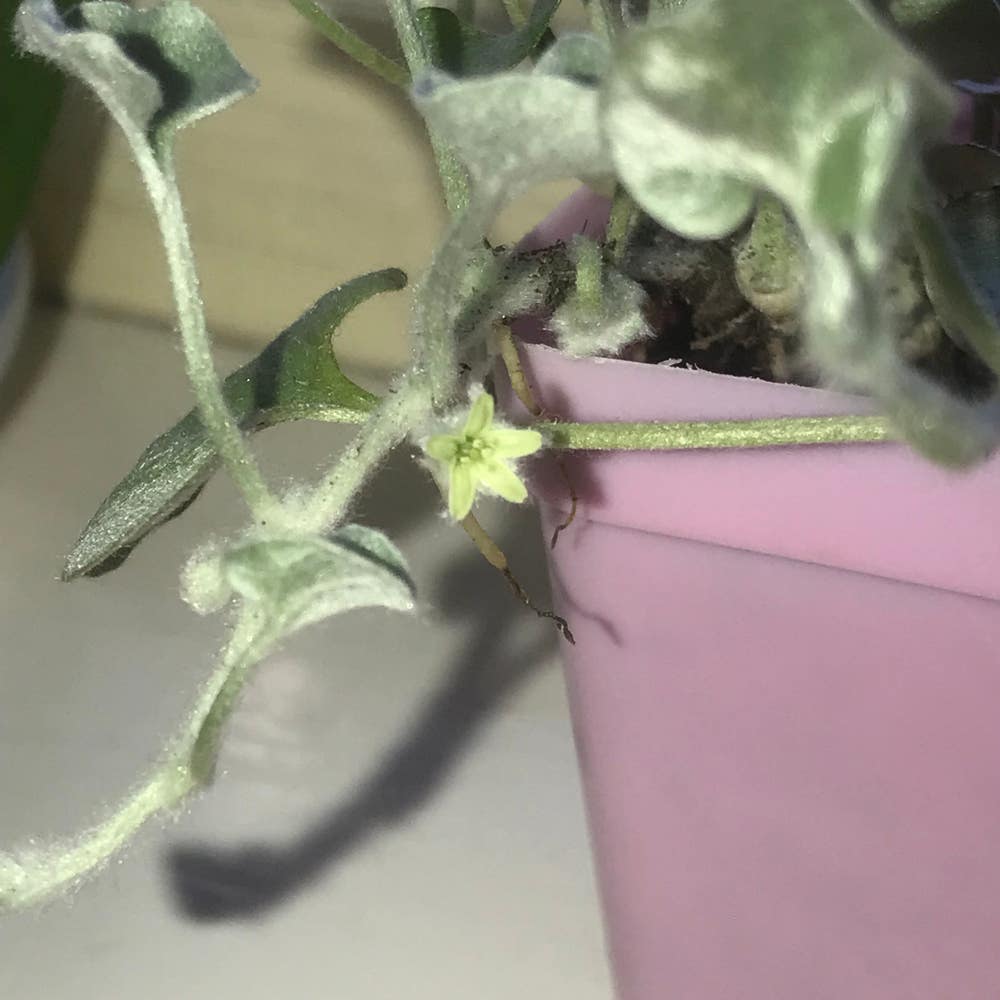
Dichondra argentea 'Silver Falls'
By the Greg Editorial Team
Jan 08, 2025•4 min read
This article was created with the help of AI so we can cover more plants for you. May contain errors. See one? Report it here.
Elevate your garden's beauty 🌼 by discovering the best companion plants for Dichondra 'Silver Falls'! 🌱
- 🌞🌿 Dichondra 'Silver Falls' thrives with companions sharing similar sunlight and water needs.
- 🌼🐞 Marigolds repel pests while enhancing garden aesthetics alongside Dichondra.
- 🌱✨ Creeping thyme creates a stunning green carpet, perfect for pairing with Dichondra.
Best Companion Plants for Dichondra 'Silver Falls'
🌱 Plant 1: Creeping Thyme
Description and Care Needs
Creeping thyme is a low-growing perennial known for its aromatic foliage. It thrives in full sun and well-drained soil, becoming drought-tolerant once established.
Reasons for Compatibility
Both creeping thyme and Dichondra 'Silver Falls' share similar water and sunlight needs, making them easy to care for together. The ground cover nature of creeping thyme beautifully complements the cascading growth of Dichondra.
Visual Appeal
The contrasting textures and colors of these plants enhance the overall garden design. Together, they create a lush, green carpet effect that is visually striking.
🌼 Plant 2: Marigolds
Description and Care Needs
Marigolds are brightly colored annual flowers that flourish in full sun. They prefer well-drained soil and are known for their drought resistance.
Reasons for Compatibility
Marigolds possess pest-repellent properties that help protect Dichondra from harmful insects. Additionally, they attract beneficial insects like ladybugs and lacewings, promoting a healthier garden ecosystem.
🍃 Plant 3: Hostas
Description and Care Needs
Hostas are shade-tolerant perennials characterized by their large, attractive leaves. They thrive in moist, well-drained soil and prefer partial to full shade.
Reasons for Compatibility
The contrasting foliage shape and color of hostas enhance visual interest in the garden. They also contribute to garden diversity by thriving in shadier areas, making them a perfect partner for Dichondra.
These companion plants not only support the growth of Dichondra 'Silver Falls' but also create a vibrant and diverse garden environment. Next, we’ll explore which plants to avoid near this beautiful ground cover.
Plants to Avoid Near Dichondra 'Silver Falls'
🌱 Plant 1: Mint
Reasons for Incompatibility
Mint is known for its aggressive growth habit, which can easily outcompete Dichondra for essential resources. Its spreading roots may disrupt the delicate growth of Dichondra, leading to potential issues in your garden.
Potential Negative Effects
The competition for nutrients and water can result in stunted growth and reduced vigor for Dichondra. This means your beautiful silver cascades might not thrive as they should.
🌿 Plant 2: Fennel
Reasons for Incompatibility
Fennel possesses allelopathic properties that can inhibit the growth of nearby plants, including Dichondra. Additionally, it competes for similar growing conditions, making it a poor neighbor in your garden.
Potential Negative Effects
The presence of fennel can lead to poor growth and even potential dieback of Dichondra due to chemical interference. This can significantly impact the health and appearance of your garden.
By avoiding these plants, you can help ensure that your Dichondra 'Silver Falls' flourishes beautifully. Next, let’s explore the visual and functional benefits of companion planting to enhance your garden even further.
Visual and Functional Benefits of Companion Planting
🎨 Enhancing Garden Aesthetics
Companion planting isn't just about practicality; it can transform your garden into a visual masterpiece. By selecting plants that complement each other in color, texture, and height, you create stunning combinations that draw the eye.
Consider how the lush, cascading foliage of Dichondra 'Silver Falls' pairs beautifully with the vibrant blooms of marigolds. This interplay of colors and forms adds depth and interest to your landscape.
🐞 Improving Pest Management
Companion plants play a crucial role in pest management. Certain plants can attract beneficial insects, like ladybugs and lacewings, which help control pest populations naturally.
Additionally, some companions act as natural deterrents. For example, marigolds repel harmful insects, protecting your Dichondra and promoting a healthier garden ecosystem.
🌱 Creating a Balanced Ecosystem
Diversity is key to a thriving garden. Incorporating a variety of plants fosters a balanced ecosystem, supporting different species and enhancing resilience against pests and diseases.
Companion planting encourages this diversity, creating a harmonious environment where all plants can flourish together. This balance not only benefits your garden but also contributes to the overall health of the local ecosystem.
By understanding these visual and functional benefits, you can make informed choices that elevate your gardening experience. Ready to explore which plants to avoid next? Let's dive into that!
⚠️ Safety First
This content is for general information and may contain errors, omissions, or outdated details. It is not medical, veterinary advice, or an endorsement of therapeutic claims.
Always consult a qualified healthcare professional before using any plant as food, medicine, or supplement.
Never eat any plant (or feed one to pets) without confirming its identity with at least two trusted sources.
If you suspect poisoning, call Poison Control (800) 222-1222, the Pet Poison Helpline (800) 213-6680, or your local emergency service immediately.
Spotted an error? Please report it here.
Elevate your garden's beauty with perfect companions for your Dichondra 'Silver Falls 🌿', and let Greg guide you with tailored care tips to ensure they thrive together in harmony!