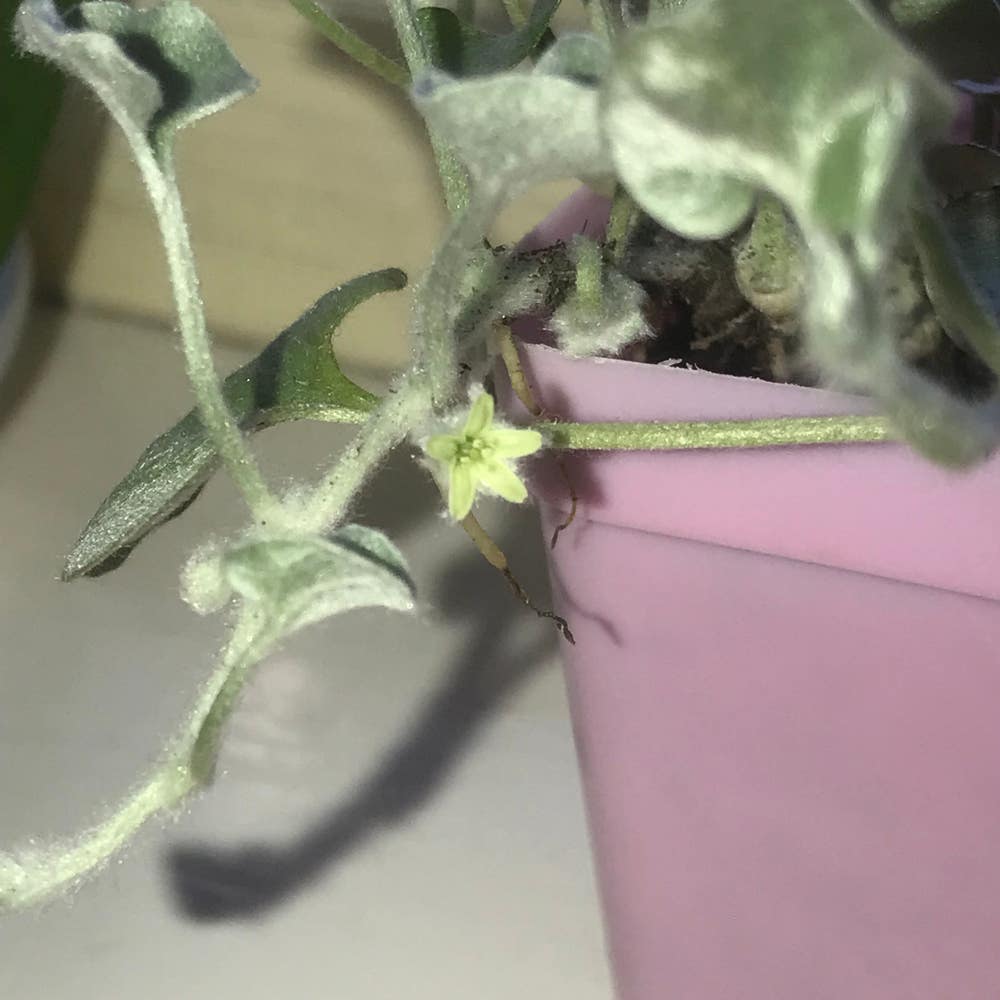
5 Tips for Healthy Dichondra 'Silver Falls' Roots 💧
Dichondra argentea 'Silver Falls'
By the Greg Editorial Team
Jan 08, 2025•8 min read
This article was created with the help of AI so we can cover more plants for you. May contain errors. See one? Report it here.
Cultivate vibrant Dichondra 'Silver Falls' by nurturing its resilient root system! 🌱
- 🌱 Healthy roots are vital for Dichondra 'Silver Falls' resilience and growth.
- 💧 Avoid overwatering to prevent root rot; let soil dry between waterings.
- 🌿 Regular inspections for pests and root health ensure thriving plants.
Root System Characteristics
Type of Root System 🌱
Dichondra 'Silver Falls' features a fibrous root system, characterized by multiple thin roots that spread out extensively. This type of root structure allows the plant to adapt to various soil types, making it resilient in different growing conditions.
The fibrous roots not only anchor the plant securely but also enhance its ability to absorb water and nutrients efficiently. Their extensive spread can help the plant thrive even in less-than-ideal soil environments, showcasing the remarkable adaptability of this species.
Specific Characteristics 🌿
The adaptability of Dichondra 'Silver Falls' roots is one of its standout features. These roots can spread out significantly, often reaching 2-3 feet in optimal conditions, which supports the plant's overall health and vigor.
This extensive root system plays a crucial role in the plant's ability to withstand environmental stresses. By spreading out and exploring the soil, the roots maximize nutrient uptake, ensuring the plant remains lush and vibrant.
In summary, understanding the root system characteristics of Dichondra 'Silver Falls' is essential for successful cultivation. A healthy root system not only supports growth but also enhances the plant's resilience to various challenges, making it a fantastic choice for gardeners looking for a robust ground cover.
As we delve deeper into the care of this plant, the next section will focus on root depth and spread, which further influences its health and growth potential.
Root Depth and Spread
Typical Root Depth and Spread 🌱
Dichondra 'Silver Falls' boasts a root depth that typically ranges from 6 to 12 inches, depending on the soil conditions. In optimal environments, these roots can spread an impressive 2 to 3 feet outward, allowing the plant to access nutrients and moisture efficiently.
Growth Patterns 🌍
Environmental factors play a significant role in root growth. Elements like soil quality, moisture levels, and temperature can all influence how deep and wide the roots extend.
The depth and spread of the roots directly affect nutrient uptake and overall plant health. A well-established root system ensures that the plant can thrive, absorbing essential nutrients and water to support its lush, cascading foliage.
Understanding these growth patterns can help you create the best conditions for your Dichondra 'Silver Falls' to flourish. By monitoring environmental factors, you can optimize root development and enhance the plant's vitality.
As we explore further, let’s dive into how watering and fertilizing practices can support this robust root system.
Watering and Fertilizing
🌱 Influence of Root System on Watering Needs
Understanding the watering needs of Dichondra 'Silver Falls' is crucial for maintaining its health. This plant thrives when you allow the soil to dry out between waterings, which encourages the roots to grow deeper and stronger.
Overwatering can lead to several issues, including yellowing leaves, wilting, and even root rot. Keep an eye out for these signs to ensure your plant remains vibrant and healthy.
🌿 Best Practices for Fertilizing
When it comes to fertilizing, choosing the right product is essential. Opt for fertilizers with balanced NPK ratios, specifically formulated for fibrous root systems like those of Dichondra 'Silver Falls.'
A monthly fertilization schedule during the growing season will provide the nutrients your plant needs to flourish. To avoid root burn, apply the fertilizer evenly and ensure it is well-diluted in water before application.
By following these watering and fertilizing guidelines, you can help your Dichondra 'Silver Falls' thrive, setting the stage for robust growth and resilience. Next, let’s explore common root-related issues that may arise and how to address them effectively.
Common Root-Related Issues
Identification of Common Root Problems 🌱
Root rot is a significant concern for Dichondra 'Silver Falls.' This condition typically arises from overwatering or poorly draining soil, leading to a lack of oxygen for the roots. Symptoms include yellowing leaves, wilting, and a foul odor emanating from the soil.
To prevent root rot, ensure proper drainage and allow the soil to dry out between waterings. Regularly check your watering schedule and adjust as needed to maintain a healthy balance.
Pests can also pose a threat to your plant's roots. Nematodes, for instance, are microscopic worms that can damage roots, leading to stunted growth and overall decline. Identifying these pests early is crucial for effective management.
Prevention and Solutions 🛠️
Maintaining healthy roots requires consistent care and attention. Here are some best practices:
- Watering Wisely: Allow the soil to dry out between waterings to prevent root rot.
- Soil Quality: Use well-draining soil to promote healthy root growth.
- Regular Inspections: Check for pests and signs of distress regularly.
If you notice root issues, take immediate action. Repotting can help, especially if the plant is rootbound or if the soil has become compacted. Adjust your watering schedule to prevent further stress on the roots.
By staying vigilant and proactive, you can ensure your Dichondra 'Silver Falls' thrives with a robust root system. This foundation is essential for the plant's overall health and resilience.
Indicators of Root Health
👀 Visual Cues for Healthy vs. Unhealthy Roots
Healthy roots are a gardener's delight. They should feel firm, exhibit a white or light tan color, and lack any foul odor.
In contrast, unhealthy roots present a worrying sight. Look for brown, mushy textures and unpleasant smells, which are clear signs that something is amiss.
🔍 Other Indicators of Root Health
Monitoring plant growth is crucial for assessing root health. Stunted growth can indicate underlying root issues that need immediate attention.
Additionally, keep an eye on leaf health. Yellowing or browning leaves often signal root stress, prompting a closer inspection of the root system.
Understanding these indicators helps ensure your Dichondra 'Silver Falls' thrives, setting the stage for a healthy plant. Next, let’s explore how to recognize and address rootbound conditions for optimal growth.
Recognizing and Addressing Rootbound Conditions
🪴 Explanation of Rootbound Conditions
Rootbound conditions occur when a plant's roots circle the pot, limiting their growth. This can lead to a host of problems, including nutrient deficiencies and stunted plant development.
🔍 Signs of Rootbound Conditions
Look for key indicators that your plant may be rootbound. Roots emerging from drainage holes, stunted growth, and wilting leaves are all signs that your plant needs attention.
⚙️ Steps to Intervene
Knowing when to repot is crucial. If you notice the signs mentioned above, it's time to take action.
- Assess the Situation: Check the root system by gently removing the plant from its pot.
- Loosen the Roots: Carefully untangle any circling roots to encourage new growth.
- Repot: Place the plant in a larger container with fresh soil to give it room to thrive.
By addressing rootbound conditions promptly, you can help your plant regain its vigor and health. This proactive approach ensures that your Dichondra 'Silver Falls' continues to flourish in its environment.
Importance of Root Health in Propagation
🌱 Techniques for Maintaining Root Integrity
When propagating Dichondra 'Silver Falls', preserving root integrity is crucial. Start by using clean, sharp tools to minimize damage during the division process.
Timing is also key. The best seasons for propagation are spring and early summer when the plant is actively growing. This ensures that the roots can establish quickly in their new environment.
🌿 Importance of Healthy Roots in Propagation
Healthy roots are the backbone of successful propagation. They not only support the plant but also enhance its resilience against stressors like drought and pests.
To monitor root health during propagation, look for signs of vigor. Strong, white roots indicate a thriving plant, while any browning or mushiness can signal trouble. Regular checks will help you catch issues early, ensuring your propagation efforts are fruitful.
With these practices, you can cultivate robust plants that thrive in their new homes. Healthy roots lead to healthier plants, making your gardening journey all the more rewarding.
As we move forward, let’s explore how to recognize and address rootbound conditions, which can hinder your plant's growth.
Stress Resilience
🌱 Role of the Root System in Overall Plant Health
A robust root system is essential for drought resistance and pest resilience in Dichondra 'Silver Falls'. Healthy roots absorb water efficiently, allowing the plant to thrive even in dry conditions.
Moreover, strong roots help the plant fend off pests by providing stability and access to nutrients. When roots are compromised, the entire plant struggles, making it more vulnerable to environmental stressors.
🌿 Strategies for Enhancing Root Resilience
Improving soil health is key to enhancing root vigor. Use organic matter, like compost, to enrich the soil, promoting better drainage and nutrient availability.
Regular monitoring is crucial for maintaining root system vitality. Check for signs of stress, such as wilting or discoloration, and adjust care practices accordingly.
By prioritizing root health, you ensure that your Dichondra 'Silver Falls' can withstand challenges, leading to a more resilient and vibrant plant.
In the next section, we will explore how to recognize and address rootbound conditions, ensuring your plant continues to thrive.
⚠️ Safety First
This content is for general information and may contain errors, omissions, or outdated details. It is not medical, veterinary advice, or an endorsement of therapeutic claims.
Always consult a qualified healthcare professional before using any plant as food, medicine, or supplement.
Never eat any plant (or feed one to pets) without confirming its identity with at least two trusted sources.
If you suspect poisoning, call Poison Control (800) 222-1222, the Pet Poison Helpline (800) 213-6680, or your local emergency service immediately.
Spotted an error? Please report it here.
Nurture your Dichondra 'Silver Falls' roots for a thriving plant 🌱 by using Greg's personalized watering reminders and care insights to keep those roots healthy and strong!