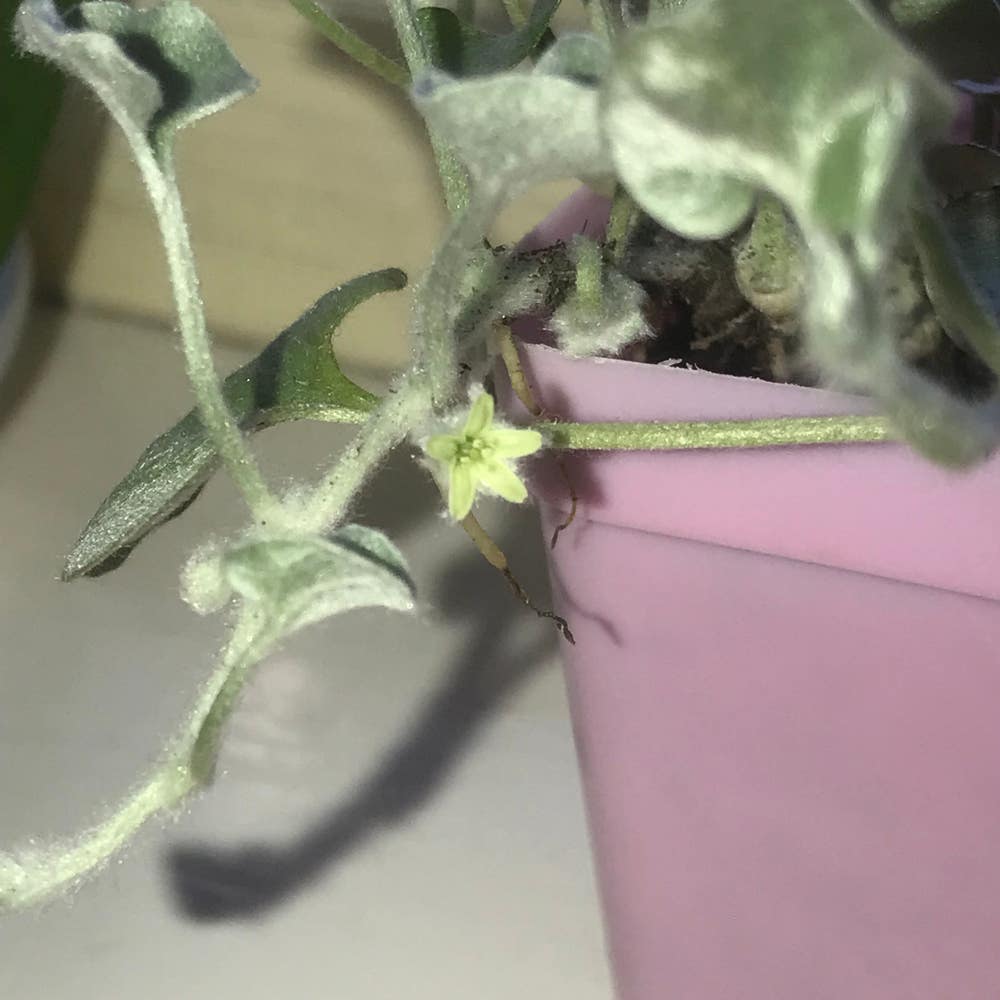
Managing Black Spots on Your Dichondra 'Silver Falls' Leaves
Dichondra argentea 'Silver Falls'
By the Greg Editorial Team
Jan 08, 2025•9 min read
This article was created with the help of AI so we can cover more plants for you. May contain errors. See one? Report it here.
Unlock the secret to thriving Dichondra 'Silver Falls' with essential care tips for vibrant growth! 🌱
- 🌞 Bright, indirect light is essential; too much sun scorches leaves, too little causes yellowing.
- 💧 Humidity levels of 40-60% prevent black spots; monitor moisture to protect your plant.
- 🐜 Inspect for pests regularly; aphids and spider mites can cause significant damage to leaves.
Diagnosing the Problem
🌞 Assessing Environmental Conditions
Evaluating Sunlight Exposure
To thrive, Dichondra 'Silver Falls' needs the right amount of sunlight. Ideally, it flourishes in bright, indirect light, but too much direct sun can scorch its delicate leaves, while insufficient light can lead to leggy growth and poor health.
Effects of Sunlight on Leaf Health
When leaves receive too much sunlight, they may develop brown edges or spots. Conversely, too little light can cause yellowing and stunted growth, signaling that your plant is not getting the energy it needs.
💧 Monitoring Humidity Levels
Optimal Humidity Range
Dichondra prefers a humidity level between 40% and 60%. This range supports healthy growth, but fluctuations can lead to problems.
Signs of Excessive Humidity
High humidity can foster fungal growth, leading to black spots on leaves. If you notice a musty smell or a powdery residue, it’s time to reassess your plant's environment.
🐛 Checking for Pests and Diseases
Common Pests Affecting Dichondra
Aphids and spider mites are notorious for causing issues in Dichondra. Aphids can be identified by their small, pear-shaped bodies and the sticky residue they leave behind, while spider mites create fine webs and cause leaf discoloration.
Symptoms of Pest Damage
Look for curled leaves or yellowing as signs of aphid infestations. Spider mites often lead to stippling on leaves, which can eventually cause them to drop.
🔍 Methods for Inspecting Plants for Pests
Visual Checks
Regularly inspect your plants by looking closely at the undersides of leaves and along stems. Early detection is key to managing pest problems effectively.
Using Tools for Detection
Consider using sticky traps to catch flying pests or a magnifying glass to spot tiny invaders. These tools can help you identify issues before they escalate.
💦 Evaluating Watering Practices
Importance of Proper Watering Techniques
Watering is crucial for plant health. Aim for a consistent schedule, ensuring the soil is moist but not soggy, as both overwatering and underwatering can lead to stress and disease.
Signs of Overwatering vs. Underwatering
Yellow leaves may indicate overwatering, while wilting or crispy edges suggest underwatering. Knowing these signs can help you adjust your care routine promptly.
🌱 Soil Moisture Assessment
Techniques for Checking Soil Moisture Levels
Stick your finger into the soil about an inch deep to assess moisture. If it feels dry, it’s time to water; if it’s still damp, hold off for a bit.
Recommended Soil Types for Optimal Drainage
Dichondra thrives in well-draining soil, such as a mix of potting soil and perlite. This combination helps prevent root rot and supports healthy growth.
By diagnosing these environmental factors, you can take proactive steps to ensure your Dichondra 'Silver Falls' remains healthy and vibrant. Next, we’ll explore treatment options to address any issues you may encounter.
Treatment Options
🌱 Organic treatments for black spots
Organic treatments can effectively combat black spots on your Dichondra 'Silver Falls' leaves. Two popular natural fungicides are neem oil and a baking soda solution.
Neem oil: How to use and benefits
Neem oil is a powerful natural fungicide that disrupts the life cycle of fungal pathogens. To use it, mix one to two tablespoons of neem oil with a gallon of water and spray it directly onto the affected leaves, ensuring thorough coverage.
Baking soda solution: Recipe and application tips
A baking soda solution is another effective remedy. Combine one tablespoon of baking soda with a teaspoon of liquid soap and a gallon of water. Spray this mixture on the leaves every 7-14 days to help prevent and treat black spots.
🌿 Cultural practices to improve plant health
In addition to organic treatments, adjusting cultural practices can enhance your plant's resilience. Start by refining your watering practices to avoid excess moisture, which can lead to fungal growth.
Improving air circulation around plants
Improving air circulation is also crucial. Space your plants adequately and consider pruning any overcrowded areas to promote airflow, reducing the likelihood of fungal issues.
🧪 Chemical fungicides: when and how to use
When organic methods aren't enough, chemical fungicides can provide a more robust solution. Understanding the types of fungicides available is essential for effective treatment.
Systemic vs. contact fungicides: Differences and applications
Systemic fungicides are absorbed by the plant and provide internal protection, while contact fungicides act on the surface. Choose based on the severity of the issue and the specific needs of your Dichondra.
⏰ Application guidelines
Timing is key when applying fungicides. The best times are early in the morning or late in the afternoon to minimize harm to beneficial insects.
Safety precautions: Protecting beneficial insects and the environment
Always follow safety precautions, such as wearing gloves and a mask, to protect yourself and the environment. Avoid spraying on windy days to prevent drift onto non-target plants.
🏡 Home remedies for leaf spot issues
Home remedies can be a convenient and eco-friendly option for treating leaf spots. Common household items like milk and vinegar can be surprisingly effective.
Milk spray: How to prepare and apply
To create a milk spray, mix one part milk with two parts water. Spray this solution on the affected leaves weekly to help combat fungal infections.
Vinegar solution: Effectiveness and application tips
A vinegar solution can also work wonders. Mix one part vinegar with three parts water and apply it to the leaves, but be cautious not to overdo it, as vinegar can harm the plant if used excessively.
⚖️ Pros and cons of using home remedies
While home remedies are often safer for the environment, their effectiveness can vary compared to commercial products. Assess your plant's condition and choose the method that best suits your needs.
Effectiveness compared to commercial products
Home remedies may not always deliver the same results as chemical fungicides, especially in severe cases. However, they can be a great first line of defense.
Safety for the plant and surrounding environment
Ultimately, using home remedies can be a safer choice for both your plant and the surrounding ecosystem. They allow you to treat issues without introducing harsh chemicals into your garden.
Transitioning to preventive measures is essential for maintaining the health of your Dichondra 'Silver Falls' and avoiding future black spot issues.
Preventive Measures
Best practices for watering Dichondra 🌊
Proper watering is crucial for maintaining the health of your Dichondra 'Silver Falls'. A recommended watering schedule depends on weather conditions and soil type, typically requiring more frequent watering during hot, dry spells.
Look for signs of proper watering, such as soil that is moist but not soggy. The leaves should appear vibrant and healthy, without any wilting or browning at the tips.
Techniques for effective watering
When it comes to watering techniques, deep watering is often more beneficial than shallow watering. Deep watering encourages roots to grow deeper into the soil, enhancing drought resistance.
Consider using drip irrigation or soaker hoses for efficiency. These methods deliver water directly to the roots, minimizing evaporation and ensuring your plants receive adequate moisture.
Soil health and nutrient management 🌱
Soil health is foundational for thriving plants. Regular soil testing helps identify nutrient deficiencies, allowing you to amend the soil appropriately.
To test soil, you can use a simple home kit or send samples to a lab. Recommended amendments often include compost or specific fertilizers tailored to the deficiencies identified.
Fertilization strategies
Choosing the right fertilizers is essential for optimal growth. Organic options, such as compost or well-rotted manure, provide a slow release of nutrients.
Timing and frequency of fertilization are also key. Generally, fertilize in early spring and again mid-season to support growth during peak periods.
Choosing the right location for optimal growth 📍
Selecting the ideal planting conditions can make a significant difference in your Dichondra's health. Full sun is preferable, but partial shade can also work if the plant receives adequate light.
Soil type matters too; well-drained soils are best for preventing root rot. Heavy soils can retain too much moisture, leading to fungal issues.
Importance of spacing and air circulation
Proper spacing between plants promotes healthy growth and reduces the risk of disease. Aim for at least 12 inches between each plant to allow for adequate air circulation.
Improving air circulation can be achieved by pruning surrounding plants or using fans in enclosed spaces. This helps prevent fungal issues and keeps your Dichondra thriving.
With these preventive measures in place, your Dichondra 'Silver Falls' will be well-equipped to flourish. Next, let’s explore ongoing care and maintenance to ensure your plants remain healthy throughout the seasons.
Ongoing Care and Maintenance
🌿 Regular inspection of leaves
Regular inspections are crucial for maintaining the health of your Dichondra 'Silver Falls.' Aim to check your plants at least once a week to catch any issues early.
During these inspections, look for signs of discoloration, wilting, or pests. Noting any changes can help you identify problems before they escalate.
📓 Documenting changes in leaf condition
Keeping a care journal is an excellent way to track your plant's health over time. Documenting observations can reveal patterns and help you adjust your care routine effectively.
🌦️ Seasonal care adjustments
As seasons change, so should your care practices. Adjust your watering schedule based on whether it's a dry or wet season to ensure your plants receive the right amount of moisture.
Fertilization also needs to adapt according to growth cycles. For instance, during active growth periods, your plants may require more nutrients.
🐛 Preparing for seasonal pests and diseases
Be proactive about potential seasonal pests and diseases. Familiarize yourself with common issues that arise during specific times of the year to stay ahead of any problems.
🌱 Importance of proper fertilization
Understanding your Dichondra's nutrient needs is essential for vibrant growth. Key nutrients like nitrogen, phosphorus, and potassium play vital roles in plant health.
Watch for signs of nutrient deficiency, such as yellowing leaves or stunted growth. Addressing these issues promptly can make a significant difference in your plant's vitality.
⏰ Timing of fertilization for maximum effectiveness
Timing is everything when it comes to fertilization. The best times to fertilize are typically in early spring and mid-summer, aligning with your plant's growth phases.
By following these ongoing care and maintenance practices, you'll ensure your Dichondra 'Silver Falls' thrives beautifully. Next, let's explore preventive measures to keep your plants healthy year-round.
⚠️ Safety First
This content is for general information and may contain errors, omissions, or outdated details. It is not medical, veterinary advice, or an endorsement of therapeutic claims.
Always consult a qualified healthcare professional before using any plant as food, medicine, or supplement.
Never eat any plant (or feed one to pets) without confirming its identity with at least two trusted sources.
If you suspect poisoning, call Poison Control (800) 222-1222, the Pet Poison Helpline (800) 213-6680, or your local emergency service immediately.
Spotted an error? Please report it here.
Transform your Dichondra 'Silver Falls' into a vibrant beauty 🌱 by using Greg's tailored care tips and reminders to tackle black spots and keep your plant thriving!