When and Where to Trim Your Dichondra 'Silver Falls' ✂️
Dichondra argentea 'Silver Falls'
By the Greg Editorial Team
Jan 08, 2025•6 min read
This article was created with the help of AI so we can cover more plants for you. May contain errors. See one? Report it here.
Transform your Dichondra 'Silver Falls' 🌿 into a lush masterpiece with these essential pruning tips for vibrant growth!
- ✂️ Prune Dichondra 'Silver Falls' in early spring and late summer for best results.
- 🌱 Use sharp shears and gloves to ensure clean cuts and protect your hands.
- 🌿 Regular pruning promotes health and enhances the plant's cascading appearance.
Recommended Tools for Pruning
Essential tools for effective pruning 🌿
To get started with pruning your Dichondra 'Silver Falls', having the right tools is crucial. Here’s a quick rundown of the essentials you’ll need.
Sharp Pruning Shears
Sharp pruning shears are a must-have for clean cuts that minimize damage to your plants. Dull blades can crush stems, leading to potential disease.
Hand Pruners
For those tight spots or detailed work, hand pruners are your best friend. They allow you to navigate small areas with precision.
Gardening Gloves
Don’t forget a good pair of gardening gloves! They protect your hands from sharp edges and debris, making your pruning experience safer and more comfortable.
Rake or Leaf Blower
After you’ve finished pruning, a rake or leaf blower will help you clean up the mess. Keeping your workspace tidy not only looks good but also prevents pests from taking up residence.
With these tools in hand, you’ll be well-equipped to tackle your pruning tasks effectively. Now that you’re ready, let’s dive into the best timing for pruning your Dichondra 'Silver Falls'.
Timing for Pruning
Best Seasons for Pruning 🌱
Pruning your Dichondra 'Silver Falls' at the right time is crucial for its health and appearance. The best seasons for pruning are early spring, just before new growth begins, and late summer, after the peak growing season.
Signs That Indicate When to Prune 🔍
Recognizing when to prune can make a significant difference in your plant's vitality. Look for signs of overgrowth, such as leggy or sparse areas, and check for dead or damaged foliage, like yellowing or browning leaves.
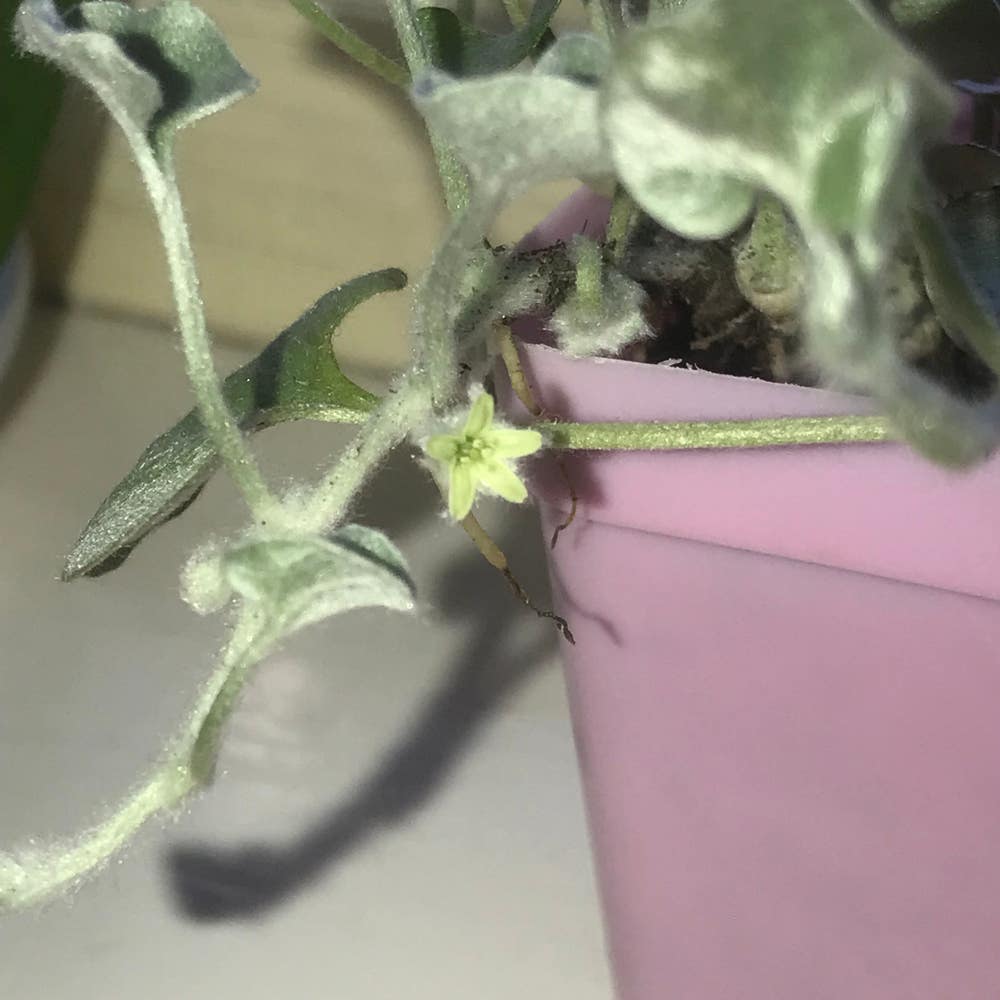
Additionally, if you notice inconspicuous flowers that detract from the plant's overall look, it's time to take action. These indicators signal that your plant needs a little TLC to thrive.
Impact of Climate on Pruning Schedule ☀️
Climate plays a pivotal role in determining your pruning schedule. In warmer climates, you may need to prune more frequently due to faster growth rates, ensuring your plant remains healthy and vibrant.
Conversely, in cooler climates, pruning may be limited to just spring and late summer. Understanding your local climate will help you tailor your pruning routine for optimal results.
With these insights, you're well-equipped to keep your Dichondra 'Silver Falls' looking its best. Next, let's explore the importance of deadheading and how it can enhance your plant's appearance.
Deadheading
Benefits and Rationale for Deadheading 🌼
Deadheading is the process of removing spent flowers from your Dichondra 'Silver Falls'. This simple act not only enhances the plant's appearance but also prevents seed formation, encouraging more foliage growth and maintaining its visual appeal.
Step-by-Step Instructions for Deadheading ✂️
- Identify spent flowers: Look for brown or wilted blooms that detract from the plant's beauty.
- Use sharp pruning shears: Ensure your tools are clean to prevent disease transmission.
- Cut back to the base: Remove the flower stem at the junction with the leaf for a clean finish.
- Dispose of removed flowers: Proper disposal helps prevent potential pests and diseases from taking hold.
When to Deadhead for Optimal Results ⏰
Timing is crucial for effective deadheading. Aim to deadhead throughout the growing season, especially after flowering.
- Frequency: Perform this task every 2-4 weeks during peak growth periods to keep your plant looking its best.
By incorporating deadheading into your regular care routine, you’ll not only enhance the beauty of your Dichondra but also promote its health and vigor.
Next, let’s explore where to prune for optimal shape and growth control.
Where to Prune
Identifying Areas to Prune for Shape and Growth Control 🌱
When pruning your Dichondra 'Silver Falls', focus on leggy stems. Trimming these back encourages bushier growth, making your plant look fuller and more vibrant.
Maintaining the desired cascading effect is also crucial. Regularly prune to shape the plant, ensuring it flows beautifully over the edges of pots or garden beds.
Techniques for Maintaining a Cascading Effect ✂️
Selective trimming is a key technique. By cutting back longer stems, you promote lateral growth, which enhances the plant's overall fullness.
Layering is another effective method. Prune at different heights to create a more dynamic and visually appealing appearance.
Pruning for Health: Removing Damaged or Diseased Foliage 🏥
Regular inspections are essential for a healthy plant. Look for signs of disease or damage, such as discolored leaves or unusual spots.
When you spot affected areas, act quickly. Cut back to healthy tissue to promote recovery and keep your Dichondra thriving.
With these pruning techniques, your plant will not only look great but also stay healthy and vigorous. Next, let’s explore common pruning mistakes to avoid for the best results.
Common Pruning Mistakes
🚫 Frequent errors in pruning
Pruning can be a tricky business, and common mistakes can lead to less-than-ideal results. One major error is over-pruning, where gardeners remove too much foliage at once, which can shock the plant and hinder its growth.
Timing is another critical factor. Pruning too late in the season can stress your Dichondra 'Silver Falls', leaving it vulnerable to environmental challenges.
✂️ How to avoid over-pruning
To prevent over-pruning, adhere to the one-third rule: never remove more than one-third of the plant at a time. This approach allows the plant to recover and thrive without excessive stress.
Additionally, take the time to assess the growth habit of your plant. Understanding its natural shape will guide you in making informed cuts that promote healthy growth.
🧐 Recognizing signs of stress in the plant post-pruning
After pruning, keep an eye out for signs of stress. Wilting or yellowing leaves can indicate that you may have pruned too aggressively or at the wrong time.
Another sign to watch for is reduced growth. If your plant seems to be recovering slowly, it may be a signal that it’s experiencing stress from improper pruning practices.
By being mindful of these common mistakes, you can ensure your Dichondra 'Silver Falls' remains healthy and vibrant. Next, let’s explore the essential post-pruning care to support your plant’s recovery.
Post-Pruning Care
Care Tips After Pruning for Recovery 🌱
After pruning your Dichondra 'Silver Falls', it's crucial to provide the right care for recovery. Start with watering; ensure the soil remains consistently moist but avoid waterlogging, which can lead to root rot.
Mulching is another effective strategy. A thin layer of mulch helps retain moisture and suppress weeds, creating a healthier environment for your plant to thrive.
Fertilization Considerations Post-Pruning 🌿
Fertilization plays a key role in recovery. About 2-4 weeks after pruning, apply a balanced fertilizer to give your plant the nutrients it needs to bounce back and promote new growth.
Monitoring Growth After Pruning 👀
Regular checks on your plant's progress are essential. Observe for new growth and overall health, as these indicators will show how well your plant is responding to the care you've provided.
Be prepared to adjust your care routine as needed. Modify your watering and fertilization based on how your Dichondra 'Silver Falls' reacts, ensuring it remains healthy and vibrant.
With these post-pruning care tips, you'll set your plant up for success, allowing it to flourish beautifully in your garden. Next, let’s explore common pruning mistakes to avoid for optimal results.
⚠️ Safety First
This content is for general information and may contain errors, omissions, or outdated details. It is not medical, veterinary advice, or an endorsement of therapeutic claims.
Always consult a qualified healthcare professional before using any plant as food, medicine, or supplement.
Never eat any plant (or feed one to pets) without confirming its identity with at least two trusted sources.
If you suspect poisoning, call Poison Control (800) 222-1222, the Pet Poison Helpline (800) 213-6680, or your local emergency service immediately.
Spotted an error? Please report it here.
Keep your Dichondra 'Silver Falls' thriving and beautiful 🌿 by using Greg's tailored pruning reminders and expert tips to ensure you prune at the perfect time!