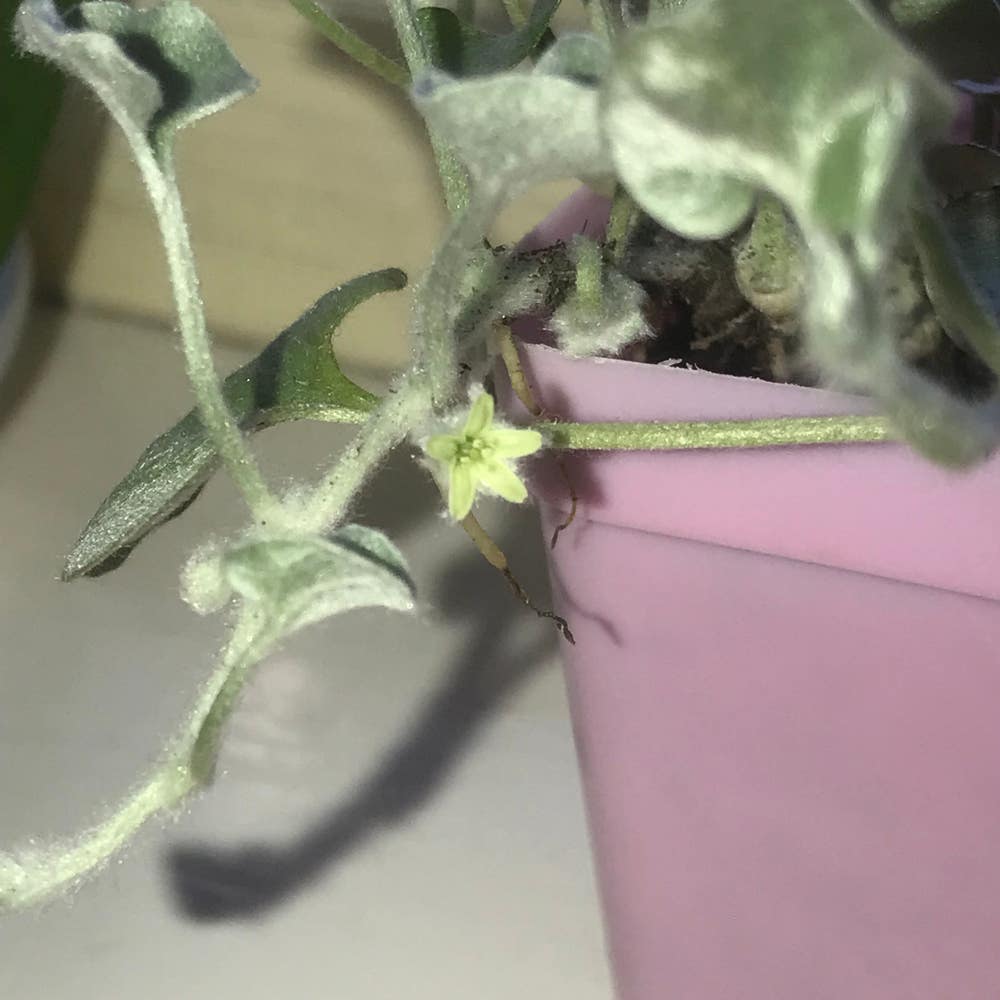
Ultimate Guide to Repotting Dichondra 'Silver Falls' 🪴
Dichondra argentea 'Silver Falls'
By the Greg Editorial Team
Jan 08, 2025•6 min read
This article was created with the help of AI so we can cover more plants for you. May contain errors. See one? Report it here.
Revitalize your Dichondra 'Silver Falls' with this essential repotting guide for thriving growth! 🌱
- 🌱 Repotting Dichondra 'Silver Falls' boosts growth and enhances its trailing beauty.
- 🕳️ Choose pots with drainage holes to prevent root rot and ensure healthy roots.
- 💧 Water thoroughly after repotting, keeping soil moist but not soggy for optimal recovery.
Repotting Process
Step-by-step guide to repotting 🌱
Repotting your Dichondra 'Silver Falls' can seem daunting, but it’s a straightforward process. Follow these steps to ensure your plant thrives in its new home.
Prepare the new pot: Start by selecting a clean pot with drainage holes. This is crucial for preventing waterlogging.
Remove the plant: Gently slide the plant out of its current pot. If the soil is compacted, loosen it carefully to avoid damaging the roots.
Inspect the roots: Take a close look at the roots for any signs of rot or damage. Trim away any unhealthy sections to promote better growth.
Add potting soil: Fill the new pot with fresh potting soil, leaving enough space for the plant to settle comfortably.
Position the plant: Place the plant in the center of the pot. Fill in around it with soil, ensuring it’s secure but not too tightly packed.
Water thoroughly: After repotting, give the plant a good drink. The soil should be moist but not soggy, striking the right balance for healthy growth.
Tools and materials needed for repotting 🛠️
Before you dive into repotting, gather these essential tools:
- New pot with drainage holes: Ensures proper water flow.
- Fresh potting soil: Choose a mix suitable for Dichondra.
- Pruning shears: Handy for trimming any damaged roots.
- Trowel or hand spade: Useful for manipulating soil.
- Watering can or spray bottle: Perfect for watering without overdoing it.
With the right tools and a clear process, repotting your Dichondra 'Silver Falls' can be a rewarding experience. You'll not only give your plant a fresh start but also enhance its growth potential. Next, let’s explore how to choose the right pot for your plant's needs.
Choosing the Right Pot
Best Pot Materials 🌱
When selecting a pot for your Dichondra 'Silver Falls', consider the material.
- Ceramic pots offer good insulation, keeping roots at a stable temperature, but they can be heavy.
- Plastic pots are lightweight and excellent at retaining moisture, making them a popular choice for many gardeners.
- Terracotta pots provide excellent drainage, allowing excess water to escape, but they can dry out quickly, requiring more frequent watering.
Pot Sizes and Shapes Suitable for Growth 📏
Choosing the right size and shape is crucial for your plant's health.
- Aim for a pot that is 1-2 inches larger in diameter than the current one to give roots room to grow.
- Wide and shallow pots are ideal for promoting the trailing growth characteristic of Dichondra, allowing it to spread beautifully.
Pros and Cons of Different Pot Materials ⚖️
Understanding the advantages and disadvantages of each pot material can guide your decision.
Ceramic
- Pros: They are aesthetically pleasing and regulate temperature well.
- Cons: Their weight can be cumbersome, and they may crack in freezing temperatures.
Plastic
- Pros: Lightweight and affordable, they retain moisture effectively.
- Cons: They are less breathable, which can lead to root rot if not monitored closely.
Terracotta
- Pros: They excel in drainage and allow for air exchange, promoting healthy root systems.
- Cons: They dry out quickly, necessitating more frequent watering to keep your plant happy.
Choosing the right pot is essential for the health and growth of your Dichondra 'Silver Falls'. With the right materials and sizes, you can create an ideal environment for your plant to thrive.
Next, let’s dive into the soil and drainage considerations that will further support your repotting efforts.
Soil and Drainage Considerations
Recommended potting soil 🌱
For your Dichondra 'Silver Falls', a well-draining potting mix is essential. Aim for a blend of peat moss, perlite, and compost to create a nutrient-rich environment.
The ideal pH level for this mix should be slightly acidic to neutral, ranging from 6.0 to 7.0. This balance supports healthy growth and nutrient uptake.
Importance of drainage in pots 🚰
Proper drainage is crucial for preventing waterlogging, which can lead to root rot and fungal diseases. Good drainage encourages healthy root development by allowing roots to breathe and access oxygen.
When roots are suffocated by excess water, they struggle to thrive. Ensuring your pot has adequate drainage will help your plant flourish.
How to ensure proper drainage when repotting 🛠️
To guarantee effective drainage, always use pots with adequate drainage holes. These holes allow excess water to escape, preventing soggy soil conditions.
Consider adding a layer of gravel or coarse material at the bottom of the pot. This extra step enhances drainage and keeps the soil from compacting too tightly around the roots.
Lastly, avoid compacting the soil too firmly when filling around the roots. Loose soil promotes airflow and supports healthy growth.
With these soil and drainage considerations in mind, your Dichondra 'Silver Falls' will have the best chance to thrive in its new home. Next, let’s explore how to care for your plant after repotting.
Post-Repotting Care
How to Care After Repotting 🌱
After repotting your Dichondra 'Silver Falls', it's crucial to establish a proper care routine. Start by watering the plant thoroughly, ensuring the soil is evenly moist.
Next, allow the top inch of soil to dry out before watering again. This helps prevent overwatering, which can lead to root rot.
Light Conditions ☀️
Providing the right light conditions is essential for your plant's recovery. Aim for bright, indirect sunlight to help reduce stress and encourage healthy growth.
Avoid placing your plant in direct sunlight, as this can scorch the leaves and hinder its recovery.
Signs of Stress After Repotting 😟
Keep an eye out for signs of stress in your plant. Wilting leaves can indicate that the soil is either too dry or too wet.
If you notice wilting, check the soil moisture and adjust your watering schedule as needed.
Yellowing Leaves 💛
Yellowing leaves are another common sign of stress. This can often result from overwatering or poor drainage.
Assess the situation by examining the soil and drainage conditions. If necessary, adjust your care routine to ensure your plant thrives.
Conclusion 🎉
By following these post-repotting care tips, you can help your Dichondra 'Silver Falls' bounce back and flourish. With the right attention, your plant will soon be on its way to vibrant growth and beauty.
Next, let’s explore common repotting mistakes to avoid, ensuring your plant care journey remains smooth and successful.
Common Repotting Mistakes
🚫 Mistakes to Avoid When Repotting
Repotting can be a straightforward process, but common mistakes can lead to issues down the line. One major pitfall is not checking root health; failing to inspect and trim damaged roots can hinder your Dichondra 'Silver Falls' growth significantly.
Another frequent error is using the wrong pot size. Choosing a pot that is too large can lead to overwatering issues, as excess soil retains moisture, which can suffocate the roots.
🛠️ How to Prevent Root Damage During Repotting
To ensure a successful repotting experience, handle the root ball gently. Avoid pulling or tearing the roots, as this can cause lasting damage and stress to the plant.
Using clean, sharp tools is also essential. This practice prevents infection and minimizes damage during the process, allowing your plant to thrive in its new home.
By avoiding these mistakes and taking care during the repotting process, you set your Dichondra up for success. Next, let's explore how to choose the right pot for your plant's needs.
⚠️ Safety First
This content is for general information and may contain errors, omissions, or outdated details. It is not medical, veterinary advice, or an endorsement of therapeutic claims.
Always consult a qualified healthcare professional before using any plant as food, medicine, or supplement.
Never eat any plant (or feed one to pets) without confirming its identity with at least two trusted sources.
If you suspect poisoning, call Poison Control (800) 222-1222, the Pet Poison Helpline (800) 213-6680, or your local emergency service immediately.
Spotted an error? Please report it here.
Transform your Dichondra 'Silver Falls' into a thriving beauty 🌿 with Greg's tailored care reminders and expert tips for successful repotting!