5 Easy Ways to Pollinate Dichondra 'Silver Falls' 🐝
Dichondra argentea 'Silver Falls'
By the Greg Editorial Team
Jan 08, 2025•5 min read
This article was created with the help of AI so we can cover more plants for you. May contain errors. See one? Report it here.
Unlock the secrets of Dichondra 'Silver Falls' 🌱 to boost your garden's beauty and pollination success!
- 🌼 Dichondra 'Silver Falls' flowers enable self and cross-pollination, boosting reproductive success.
- 🐝 Attract bees and butterflies by creating a diverse, pollinator-friendly garden.
- 🌿 Hand pollination enhances growth; best done in the morning or late afternoon.
Flower Structure
Description of Flower Characteristics 🌼
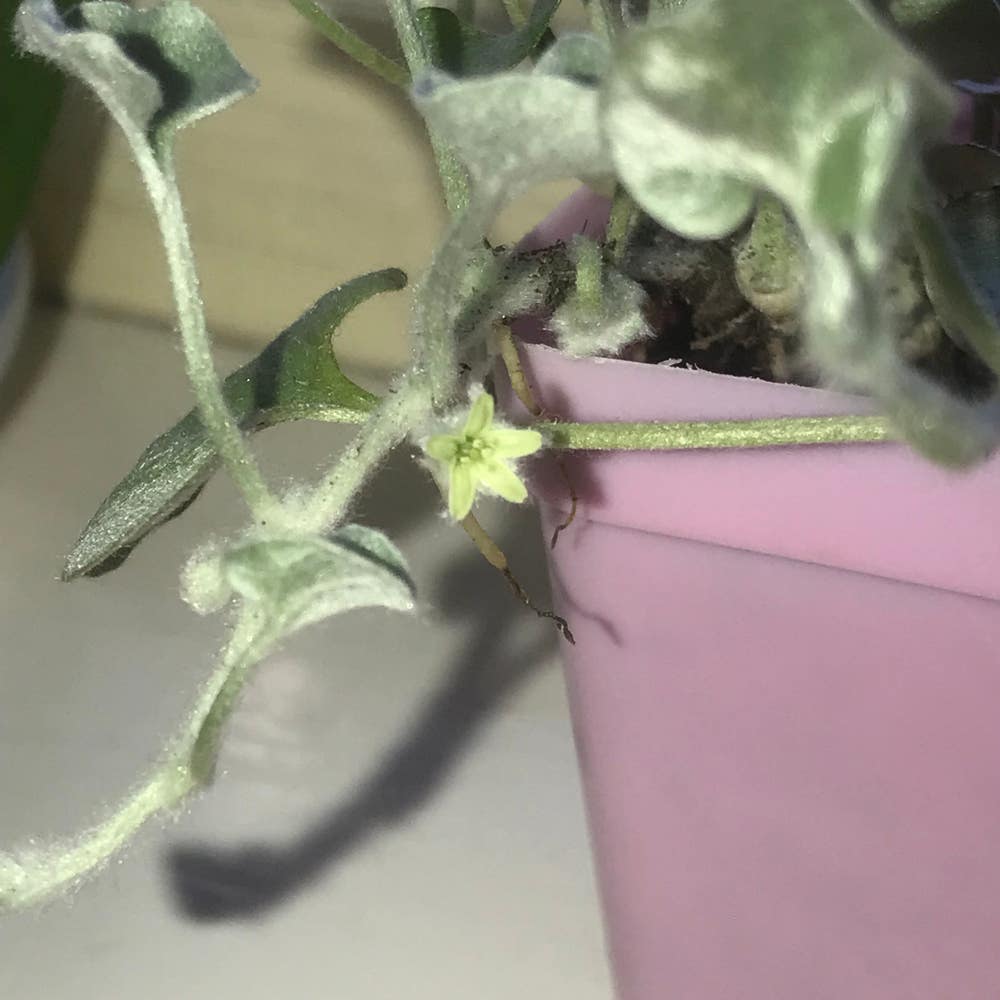
Dichondra 'Silver Falls' features small, cup-shaped flowers that can easily go unnoticed among its lush foliage. Their color ranges from pale green to white, allowing them to blend seamlessly with the surrounding leaves.
These flowers grow in clusters, which not only enhances their visibility but also makes it easier for pollinators to locate them. This arrangement is crucial for attracting the right visitors to the plant.
Role of Flower Characteristics in Pollination 🐝
The unique structure of these flowers plays a significant role in both self-pollination and cross-pollination. Their design allows for efficient pollen transfer, ensuring that the plant can reproduce effectively.
Self-pollination occurs when the flower's stamens release pollen onto its own pistils, while cross-pollination involves pollen from one flower fertilizing another. This dual capability enhances the plant's reproductive success and genetic diversity.
Understanding these characteristics can help gardeners appreciate the importance of flower structure in promoting healthy pollination processes. As we delve deeper into the pollination process, we'll explore how these flowers interact with their pollinators.
Pollination Process
Self-Pollination Explanation 🌱
Dichondra 'Silver Falls' has a remarkable ability to self-pollinate, which occurs when pollen from the male parts of the flower fertilizes the female parts within the same bloom. This process is favored in conditions where pollinators are scarce, ensuring that the plant can reproduce even in less-than-ideal circumstances.
Self-pollination offers several benefits, including increased seed production and a reliable method of reproduction. This capability allows the plant to thrive in various environments, making it a resilient choice for gardeners.
Cross-Pollination Explanation 🐝
While self-pollination is advantageous, cross-pollination plays a crucial role in promoting genetic diversity. This diversity enhances the plant's adaptability and resilience, which is vital for long-term survival.
Dichondra 'Silver Falls' attracts a variety of pollinators, including bees, butterflies, moths, and hummingbirds. These species are drawn to the plant's small, cup-shaped flowers, which emit subtle scents that signal their availability.
Pollinators interact with the plant by transferring pollen from one flower to another, facilitating cross-pollination. This relationship not only benefits the plant but also supports the ecosystem by providing food sources for these essential creatures.
Hand Pollination Techniques ((difficulty:moderate))
Step 1: Identifying Male and Female Flower Parts 🌸
To successfully hand-pollinate Dichondra 'Silver Falls', start by identifying the flower's male and female structures. The male parts, called stamens, produce pollen, while the female parts, known as pistils, are where fertilization occurs.
Step 2: Collecting Pollen 🌼
Next, you'll want to collect pollen from the stamens. Gently tap or brush the stamens with a small tool, like a soft paintbrush or cotton swab, to gather the fine yellow pollen without damaging the delicate flower.
Step 3: Transferring Pollen 🔄
Once you've collected the pollen, it's time to transfer it to the pistils. Carefully apply the pollen to the sticky stigma at the top of the pistil, ensuring that it makes good contact for successful fertilization.
Step 4: Timing for Hand Pollination ⏰
Timing is crucial for effective hand pollination. The best times to pollinate are early in the morning or late in the afternoon when temperatures are cooler and the flowers are fully open, maximizing your chances of success.
By following these steps, you can enhance the reproductive success of your Dichondra 'Silver Falls' and enjoy a thriving garden. Next, let's explore how to support pollinators in your garden for even better results!
Supporting Pollinators
🌼 Creating a Pollinator-Friendly Environment
Designing a garden that attracts pollinators starts with thoughtful layout. Incorporate a variety of flowering plants that bloom at different times to provide a continuous food source.
Consider grouping plants in clusters rather than scattering them. This makes it easier for pollinators to find food and encourages them to stay longer.
Water sources are essential too. A shallow birdbath or a small pond can provide hydration for thirsty bees and butterflies.
Shelter is equally important. Leave some areas of your garden a bit wild, with native grasses and flowering weeds, to create natural habitats for pollinators.
🌿 Companion Plants
Companion planting can significantly boost your pollinator population. Consider adding lavender, which not only attracts bees but also adds a lovely fragrance to your garden.
Bee balm is another excellent choice. Its vibrant flowers are irresistible to hummingbirds and butterflies alike.
Other great options include coneflowers and sunflowers, both of which are known to draw in a variety of beneficial insects.
By incorporating these plants, you create a thriving ecosystem that supports pollinators and enhances the beauty of your garden.
In the next section, we will address common challenges to pollination and explore effective solutions to ensure your plants thrive.
Addressing Pollination Challenges
🌪️ Common Obstacles
Pollination can be significantly hindered by various environmental factors. Extreme temperatures, whether too hot or too cold, can deter pollinators from visiting flowers.
Drought conditions also pose a serious challenge. When water is scarce, plants may not produce enough flowers, reducing the chances of attracting pollinators.
🛠️ Solutions for Overcoming Challenges
To improve pollination success, consider implementing a few strategic practices. Start by providing adequate water to your plants, especially during dry spells, to keep them healthy and flowering.
Creating a diverse garden with a variety of blooming plants can also attract a wider range of pollinators. This diversity ensures that even if one species is affected by environmental stress, others can still thrive.
🌱 Recommendations for Maintaining Optimal Growing Conditions
Maintaining optimal growing conditions is crucial for supporting pollinators. Regularly monitor soil moisture and adjust your watering schedule accordingly.
Additionally, consider using mulch to retain soil moisture and regulate temperature. This simple step can create a more stable environment for both your plants and their pollinators.
By addressing these challenges, you can foster a thriving ecosystem that benefits both Dichondra 'Silver Falls' and the vital pollinators that support its growth.
⚠️ Safety First
This content is for general information and may contain errors, omissions, or outdated details. It is not medical, veterinary advice, or an endorsement of therapeutic claims.
Always consult a qualified healthcare professional before using any plant as food, medicine, or supplement.
Never eat any plant (or feed one to pets) without confirming its identity with at least two trusted sources.
If you suspect poisoning, call Poison Control (800) 222-1222, the Pet Poison Helpline (800) 213-6680, or your local emergency service immediately.
Spotted an error? Please report it here.
Boost your pollination success 🌼 with Greg's tailored tips that help you attract pollinators and keep your Dichondra 'Silver Falls' thriving!